

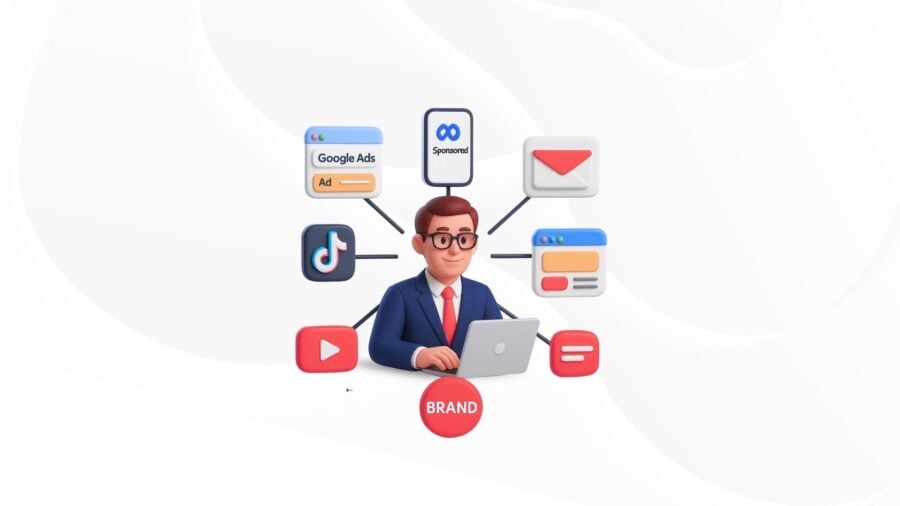
WHAT IS OMNICHANNEL MARKETING
-
Post author

-


Imagine this: you search “buy a brown blazer” on Google, visit a few sites, and even add some items to your cart but don’t finish the purchase. A few hours later, you see one of those stylish blazers on Instagram—with a discount. You save it, but again get distracted and don’t message the seller. The next day, you see the same product in a Google Ads banner reminding you there’s still time to grab a great deal.
That’s how omnichannel marketing works. If you registered on the website, there’s a high chance you’ll get personalized promo codes by email. These offers match your taste, budget, and needs. Omnichannel marketing is customer-focused and provides a consistent user experience.
What’s This About?
- What is Omnichannel Marketing?
- Benefits of Omnichannel Marketing
- How to Launch Omnichannel Marketing in Your Company
- Examples of Omnichannel Marketing
- Conclusions
What Is Omnichannel Marketing?
Research shows that companies using three or more communication channels retain customers 90% better than those using fewer.
Omnichannel marketing started in 2003 when Best Buy used a customer-focused strategy to compete with Walmart. The company engaged with buyers in stores and online, offering support after purchases. This approach became especially popular in healthcare and finance.
Omnichannel marketing connects multiple channels. Unlike multichannel marketing, it ensures all customer touchpoints are personalized and consistent. It’s not just about being on different platforms—it’s about linking them together. That’s what makes it “seamless”: all customer interactions are coordinated to support segmentation and personalization.
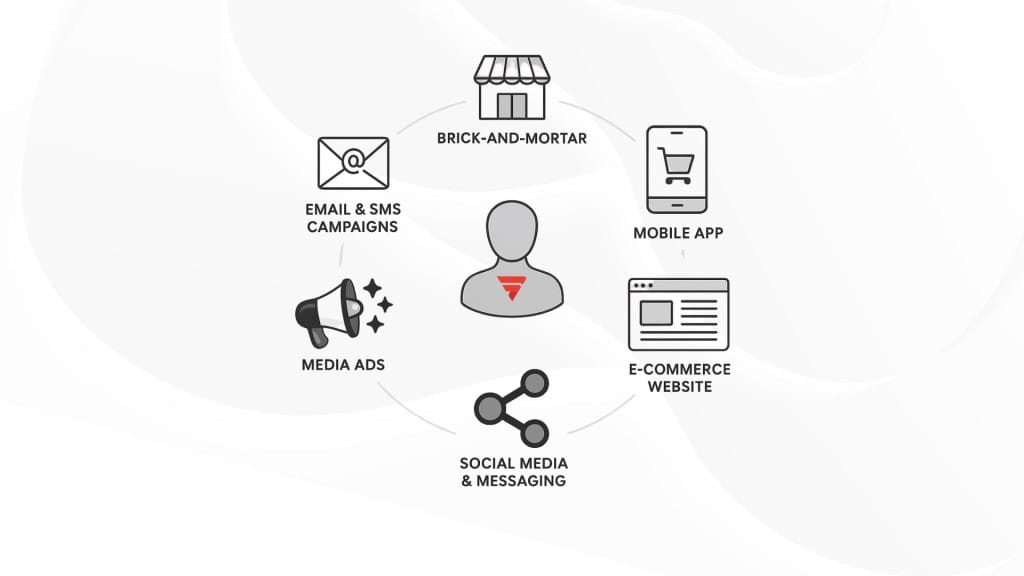
An online store, agency, service website, or personal brand can interact with consumers via a website, offline store, studio, office, or showroom. Personalized discounts and bonuses can be sent through mobile apps or email.
Contextual and targeted ads remind your audience about your brand and push them to purchase. Social media builds loyal communities with brand ambassadors and UGC promotion. This is a simplified view—each channel can serve multiple purposes.
Omnichannel marketing requires all channels to work together smoothly, which means unified analytics. Wherever potential clients see, read, or hear about your business, the tone of voice, pricing, deals, product quality, and customer service must stay consistent.
“A multichannel retailer uses traditional mass marketing methods integrated with new interactive channels. Websites, email offers, social media messaging, and physical stores present the same messages, offers, and products. The multichannel concept expands the range of channels and includes the needs, communications, and interactions between customers, brands, and retailers.”
—Omnichannel, Wikipedia
Now imagine buying a product that still gets shown to you in ads across various websites—and then you get an email asking you to buy it again with a discount. Best case—you laugh. Worst case—you unsubscribe out of frustration.
Now a better scenario: a client sees a sale on a site and calls for details, but doesn’t buy because they’re busy and hang up. Later, they forget where the deal was—even though it fit their budget and taste.
The next day, they get a Viber message reminding them about the consultation and offering a discount. This thoughtful approach is more likely to win them over. Instead of generic ads, the marketer chooses relevant, well-targeted outreach. This helps the business keep leads, stay organized, and respond at the right time with the right offer.
📌 Read the article: What is a sales funnel
Core Features of Omnichannel Marketing
Three main features define omnichannel marketing in any industry:
- More than three marketing channels.
- Consistent communication across all those channels.
- Automated and personalized offers based on where each customer is in the sales funnel.
So, multichannel marketing means promoting through multiple channels at the same time—but separately. Each channel’s data doesn’t affect the others. In contrast, omnichannel marketing links all platforms with unified analytics. This makes it more effective for business owners and more convenient for customers.
Benefits of Omnichannel Marketing
Omnichannel marketing makes brand communication more “human” and builds stronger customer loyalty. Key benefits include:
- Saving resources—You don’t waste time and money re-targeting customers who’ve already entered your funnel or made purchases.
- Unified analytics—It’s easier for marketers and ad specialists to analyze performance. Everything is synchronized, including team efforts.
- Better targeting—You can personalize all your ads and creatives to match customer preferences and search intent.
- Improved customer loyalty—More reviews, a stronger brand reputation, and natural UGC and backlinks appear—even without your involvement.
“Convenience, closely tied to the customer experience, can move potential buyers further down the sales funnel by reducing the effort needed to access information.”—Omnichannel Marketing: The Benefits And How To Get Started, Chris Gutierrez, Forbes Councils Member
All of this boosts revenue by improving conversion rates. Omnichannel marketing also simplifies cross-sell, upsell, and managing customer lifetime value.
Tracking user behavior across their entire journey helps businesses make data-driven decisions, shorten the sales cycle, and automate repetitive processes. This frees teams to focus on strategy and creativity.
It also provides a competitive advantage. If two companies offer the same products at the same prices, customers will choose the one that remembers them and customizes its offers.
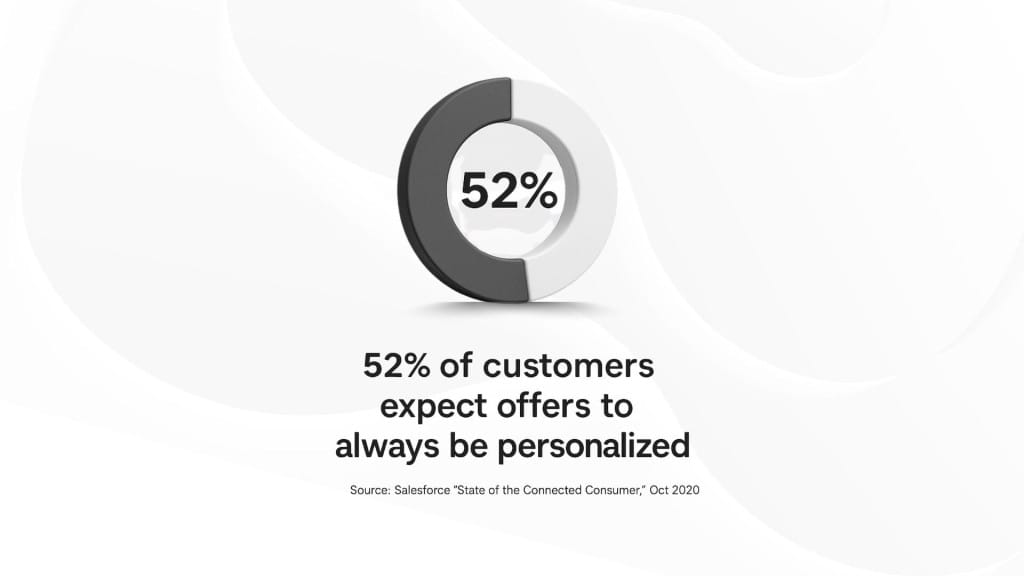
- 52% of customers expect all offers to be personalized
- Campaigns using 3+ channels see 287% higher purchase rates than single-channel campaigns
- Campaigns including SMS convert 47.7% better
- Segmented emails get 62.2% more orders than bulk messages
- 53% of retailers use tools to sell across different channels
- 76% of consumers are willing to fill out surveys to receive more personalized experiences
How to Launch Omnichannel Marketing in Your Company
Even if you already use multiple marketing channels and base your outreach on audience data, there’s always room to grow. An improved omnichannel strategy should follow your audience’s habits and trends. New social media platforms show up and your target audience follows—and suddenly, you’re dancing on TikTok.
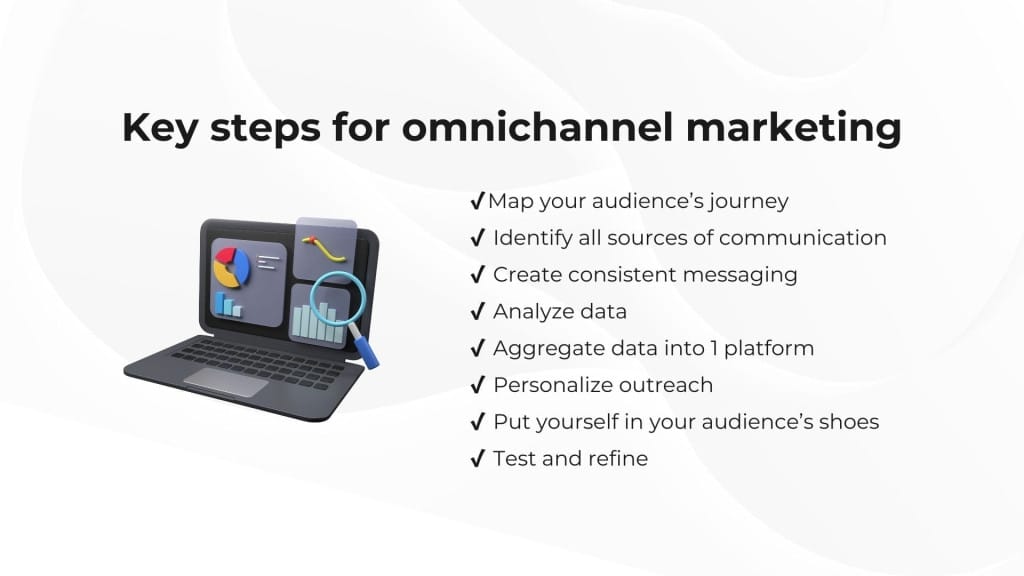
If you haven’t started your multichannel marketing journey, here are key steps to begin:
📌 Read the article: What is Google Supplemental Index or “Google Snot”
Build a Detailed Audience Profile
Find out where your potential and current customers spend time online. Go beyond demographics. Even knowing their favorite TV show or music can help.
Choose Your Channels
You don’t need every platform. For example, focus on Instagram and YouTube, and skip LinkedIn if it’s irrelevant. Don’t waste time—invest in content where it will actually be seen.
Connect Your Tech
Running a multichannel strategy without automation is hard—nearly impossible with a large customer base. Use CRM systems. Add AI-powered chatbots and other automation tools.
Keep a Consistent Style
Make sure your messages are consistent and personalized across all channels. Customers should instantly recognize your brand—whether it’s a banner ad or an email. Stick to one tone and brand values.
Respect User Rights
Keep customer data safe. This is a must—though often overlooked. In the U.S. and Europe, privacy laws are strict. Stay informed about local regulations wherever you market.
Run Cross-Channel Analytics
Track results from each channel and how they influence one another. See how people go from your blog to your email list, or from your website to your socials.
Use Google Analytics to understand customer behavior. Add UTM tags to see which channels drive orders. They’re helpful for guest posts or influencer ad tracking.
Examples of Omnichannel Marketing
You’ve probably seen a sale price on a product online, gone to a store, and been told it’s full price—or sold out. That’s frustrating and might make you feel misled. But omnichannel brands avoid this.
У звіті Shopify 53% of retailers use tools that help them sell across channels. Here are some examples:
Starbucks
In the U.S., Starbucks uses omnichannel marketing across its app, website, stores, and social media. You can order and pay in the app, where offers are personalized based on your past orders.
They also design stores based on local culture, interior preferences, and menu needs. For example, their store in Honduras follows the Starbucks Greener Store Framework (energy and water efficiency, reduced waste).

Amazon
Amazon links its online platform and Amazon Go physical stores into one ecosystem. You can buy online and pick up at a local store.

Conclusions
The core idea of omnichannel marketing is a unified, personalized interaction between the brand and its customers. Unlike traditional multichannel marketing, all channels are linked into one seamless ecosystem. This saves time and money for businesses and gives users a smoother experience. Every customer feels seen and respected—their needs and preferences matter.
FAQ
It’s a system using more than three customer engagement channels, with unified analytics to improve results.
Multichannel marketing involves the use of multiple channels for business promotion, while omnichannel involves their integration, combining them into a single system with shared analytics and optimization.
-
Tags
