
WHAT IS A SALES FUNNEL?
-
Post author

-


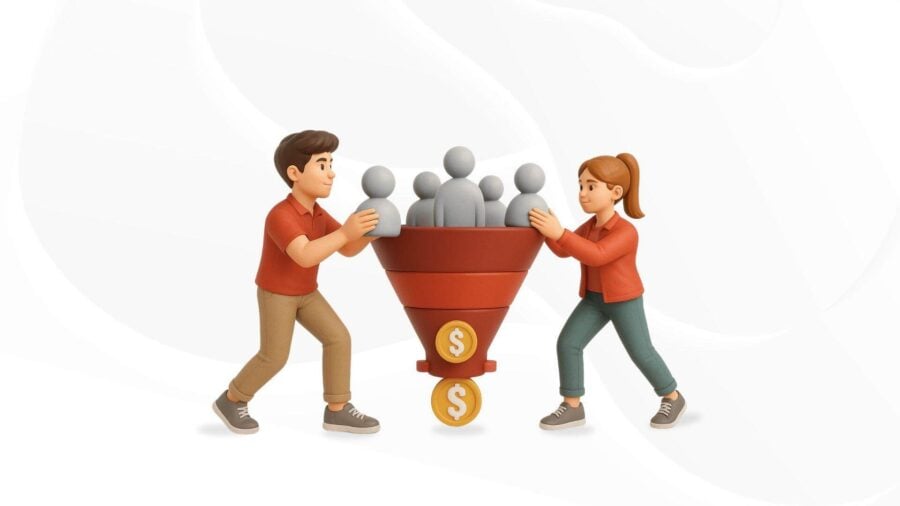
A sales funnel is a visual model of the path customers take. Most often, the interaction starts when people become aware of your business—and it doesn’t end at the moment of purchase. After the first conversion, another may follow, and a well-built funnel helps you manage sales and personalize offers so every customer feels special.
What Is This About?
- Stages of the sales funnel and how it benefits your business
- Examples of successful marketing funnels
- How to build a sales funnel?
- How a funnel differs from a flywheel?
- Conclusions
Stages of the sales funnel and how it benefits your business
A sales funnel shows the journey customers take from discovering your brand to converting and becoming loyal buyers.
The idea of the sales funnel goes back to Elias St. Elmo Lewis, who described the basic stages of customer engagement in 1898. In 1924, W. Townsend linked this model to the AIDA formula, which includes four steps: Attention, Interest, Desire, and Action. These four parts of consumer behavior match the core stages of the funnel.
- Attention—The goal is to show your offer exists, repeat your message several times, and create a sense of popularity or trendiness.
- Interest—Grab attention with a unique selling point, trigger curiosity, and make people think “I like this.”
- Desire—Make people want the product or service, thinking “I want this.”
- Action—Push users to take a step, like making a purchase or placing an order.
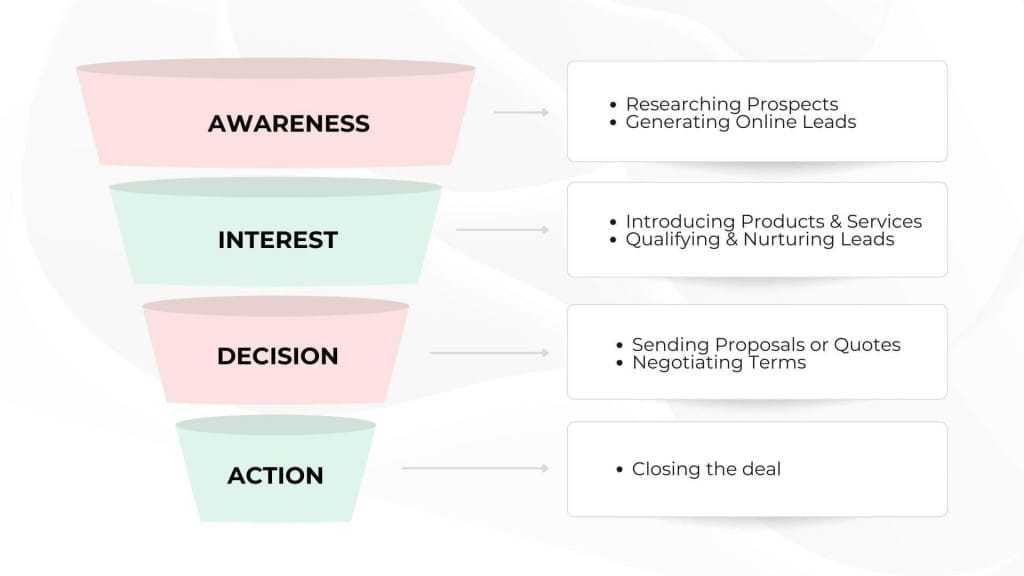
The classic sales funnel is based on predictable consumer behavior. It begins with building awareness, followed by interest (lead qualification), then the potential customer feels the urge to buy, and finally takes the target action.
Discovering the Offer
At the moment when a potential customer learns about a brand or a specific product or service, they are in the awareness stage. This can happen through social media ads or PPC, a recommendation from an influencer or a close friend, or other channels. Before that, they may not have even thought about a need that existed in their life. Once they get some information, the customer begins to consider whether the product can solve their problem.
📌 Read the article: What Are Conversions?
Lead Qualification
If the customer becomes interested in a product or service, they start looking for more information and comparing different sellers. As a result, they see more relevant ads in Google, because your competitors may also notice the user’s interest.
If it’s a course or another online product, the user may follow several experts on social media to find the one who seems most credible and matches their expectations. At this stage, it’s important to give a strong reason why your product works. In some cases, you can offer a lead magnet—something free, but valuable and related to your main paid product.
Desire
Sometimes, the user may need a consultation where you can answer their questions. Depending on the business type, you can spark desire through content, retargeting ads, or a webinar series. Use examples (case studies), portfolios, reviews, and other proof to show the product’s value.
You can offer a tripwire—a low-cost product at a symbolic price—that highlights the benefits and uniqueness of your paid offer. You can also use catalogs, white papers, presentations, videos, and more to create interest.
Action
A great way to motivate a purchase is through an attractive offer that sparks emotion—for example, “buy one, get one free” or a limited-time discount.
The sales funnel starts wide, with many potential leads at the top. As it moves downward, it narrows—showing how the pool of potential customers is filtered, leaving only those who complete a conversion. At the bottom of the funnel are your most valuable buyers, and in many industries, these are the ones you can retain, increase their average purchase value, and more.
“A purchase funnel is a consumer-focused marketing model that illustrates the theoretical customer journey toward the purchase of a good or service.”—“Purchase funnel,” Wikipedia
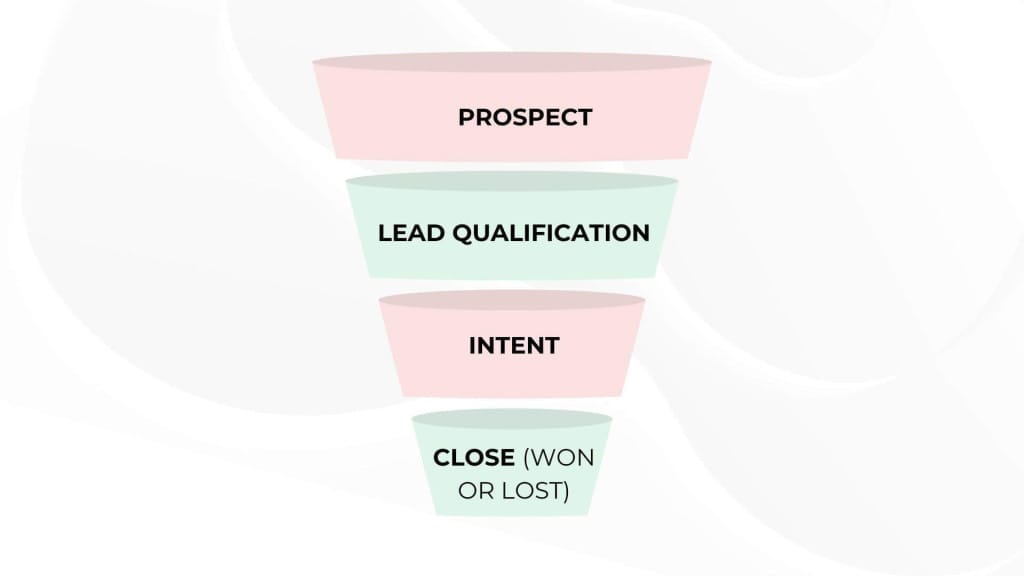
Using a sales funnel helps identify weak spots in your sales and communication methods, refine your offer, and make it more unique.
For many B2B and SaaS companies, the sales process doesn’t end with the purchase. It continues with a fifth stage of the funnel called the “renewal stage.” This is when existing customers update their plans, upgrade to more expensive ones, or cancel subscriptions. Here, a key metric is the customer lifetime value (LTV), and marketers should focus heavily on retention.
“The modern B2B purchase funnel includes more stages, considers repeat purchase intent, and reflects changes in buyer behavior and technology. The purchase funnel is used in marketing to guide ad campaigns at each stage of the customer journey and as a basis for CRM and lead management programs.” —“Purchase funnel,” Wikipedia
Benefits of Using a Sales Funnel
Here are some key benefits of using a sales funnel for your business:
- An effective sales funnel helps you focus only on qualified leads. It boosts the productivity of sales reps and customer success teams, makes forecasting and analysis easier for analysts, and allows marketers and ad specialists to create more relevant ads and choose the right platforms.
- High performance. With a sales funnel, you can better understand your ideal customer and meet their needs more efficiently by improving your product and service.
- Stronger customer relationships. A sales funnel also helps you identify the profiles of target audience members who drop off before the next stage. This lets you better understand their needs and reduce churn.
Overall, a sales funnel saves a lot of time. Instead of spending effort on unqualified leads, you can invest your resources into improving conversion rates at different stages of the funnel.
“A sales funnel can help train and prepare your sales team or help you understand your product and sales experience from your customer’s point of view.”—“Sales Funnel Template And Examples For 2024,” Forbes Advisor
The structure of the funnel and the goals at each stage depend on the promotion platform. For example, selling online courses on social media may follow the AIDA model with the following steps:
- Targeted posts to build awareness
- Direct messages, including chatbot campaigns, to generate interest
- Live streams or helpful content via posts or messages to support decision-making
- And finally—an offer to buy the product
Customer retention is important for any business. Even in industries like real estate or transportation, customer loyalty matters—because satisfied buyers can spread the word about your brand, share contacts and links, and leave valuable reviews. The same applies to complex products like enterprise software or education.
📌 Read the article: What Are High-Margin Products
Marketing Funnel
The marketing funnel should be highlighted separately. It’s very similar to the one described above but includes five main stages:
- Research and attracting potential customers;
- Nurturing leads by providing targeted information;
- Driving conversions through clear calls to action and limited-time offers;
- Increasing loyalty by focusing on retaining customers and building trust. This can be done through consistent interaction, personalized communication, loyalty programs, and gifts;
- Promoting the brand by encouraging satisfied customers to recommend your product or service. If this works well, your company gains brand advocates and ambassadors who help bring in new clients;
Using the standard funnel and the AIDA model as a base, you can adjust the customer journey to fit your industry, market situation, trends, and the needs of different audience segments. For many niches, a survey-based funnel works well, which can be implemented using a quiz-style landing page. A special form collects information about customer preferences and pain points, which is then used to tailor ads and offers.
Examples of Successful Marketing Funnels
Here’s an example of an e-commerce funnel. Imagine you’re promoting an online coffee store. You could rely on random website or social media orders—or take a more reliable approach. Many companies offer customers coffee machines for rent and set up monthly coffee subscriptions. These machines could be from your store or your partners.
You can research the market to find out where your audience spends time. If it’s Instagram and TikTok, look into what content formats are trending. After analyzing your competitors and building a customer profile, you can create ad videos and partner with influencers.
Once you understand your audience, launch paid ads on Google, Facebook, and Instagram that lead to a landing page. On the page, offer visitors a newsletter sign-up in exchange for free coffee samples. If your budget is limited, use valuable content as a lead magnet—like a collection of coffee drink recipes. After gathering email addresses, you’ll have a list of potential customers who know your brand and are interested in buying, so you can move to the third stage of the funnel and create desire to make a purchase.
Over the next few weeks, send engaging content—for example, coffee quizzes or fun tests like “What Kind of Coffee Are You?”
After a few emails, offer a promo code for 10–20% off the first three months of a subscription. Or give a free bag of coffee. Ideally, the offer should be personalized based on the earlier quiz answers or data you collected.
If some leads order coffee and start using the rented machines, create a separate email list. Send regular customers special offers to keep them engaged. For those still unsure but not unsubscribed, continue sending helpful content, deals, and social proof of your product’s value.
Netflix
Here are some specific examples of successful sales funnels.
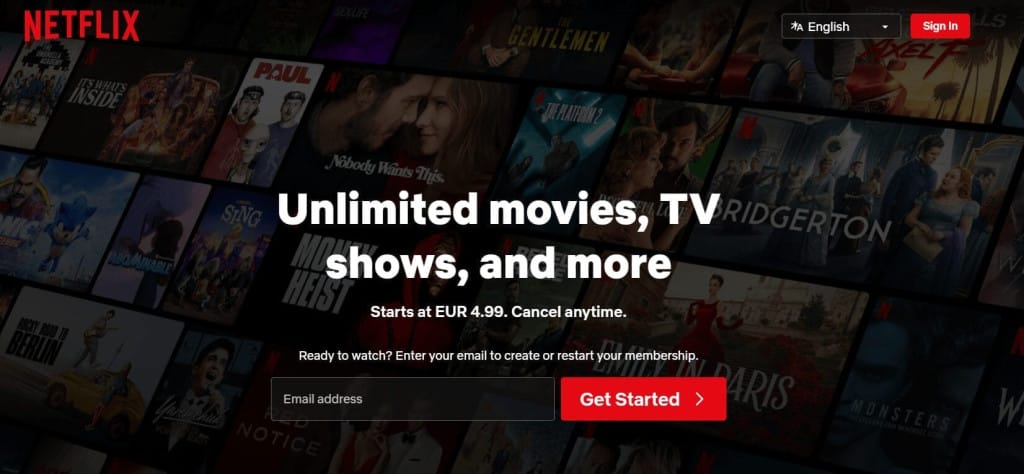
The video streaming service Netflix has over 200 million subscribers. From the moment you land on the homepage, it’s clear that the interaction with potential and current users is consistent and transparent. The site clearly explains how to cancel the monthly subscription. The price is stated upfront—something modern users really appreciate: “From €4.99. Cancel anytime.” And to start or restart your subscription, all you need to do is enter your email address.
Netflix automatically assigns new users to the Premium plan, but they can change it themselves. The Premium plan is marked as the most popular option.
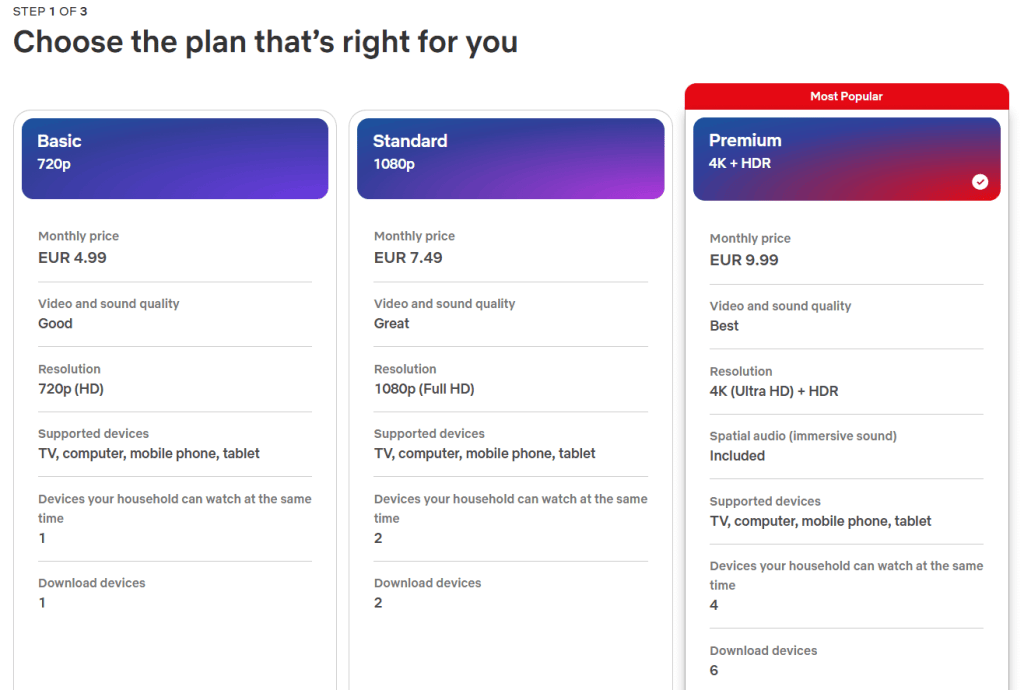
The lack of contracts or commitments makes the service’s funnel successful. There are no cancellation fees, and users can cancel or restart their subscription at any time.
A key part of Netflix’s business strategy is investing in original content. By producing its own shows and movies, the company attracts more subscribers. This sets the service apart from competitors, helping bring in new users and retain existing ones.
To increase revenue and reduce the need for lead generation, the company uses tiered pricing models. This approach focuses on user preferences and offers plans for different budgets.
One of the strongest aspects of the sales funnel is Netflix’s presence on social media—especially through themed viral content during the release of popular series. Users themselves share viral GIFs and memes.

The company also works with influencers, which helps build consumer trust. Netflix creates personalized ads for different audience segments.
The company partners with mobile carriers and cable TV providers. Overall, Netflix succeeds because it deeply understands its audience and focuses on personalizing the viewing experience. It uses machine learning algorithms to deliver an intuitive streaming experience tailored to each user’s preferences—including movie genres, show recommendations, and even the way features are displayed on the screen.
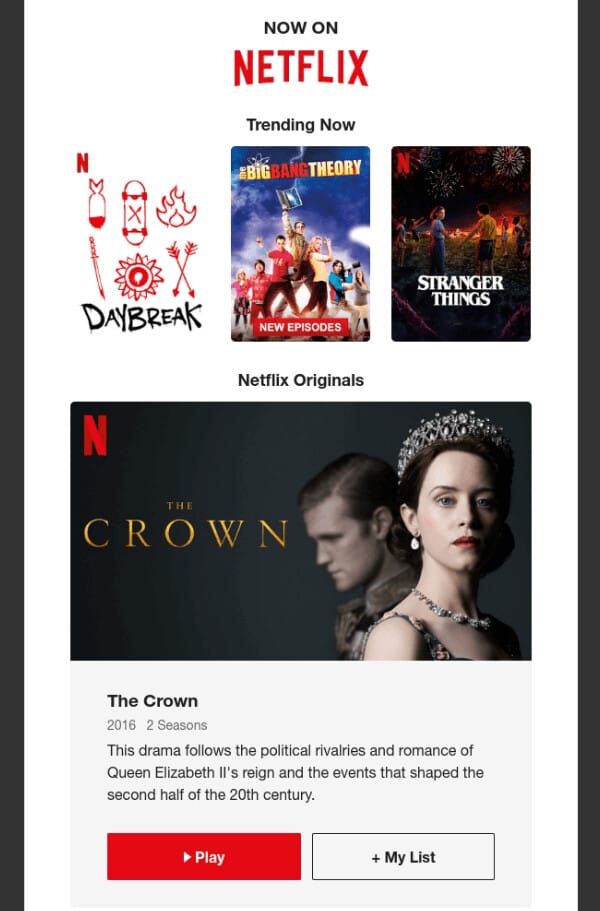
Netflix subscribers may receive emails with surveys and updates about new features.
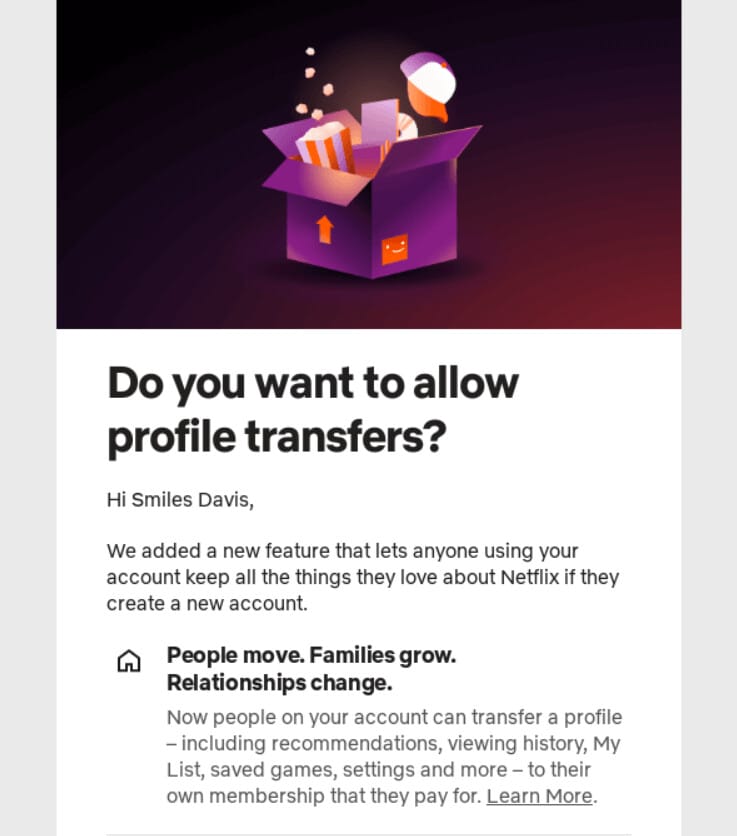
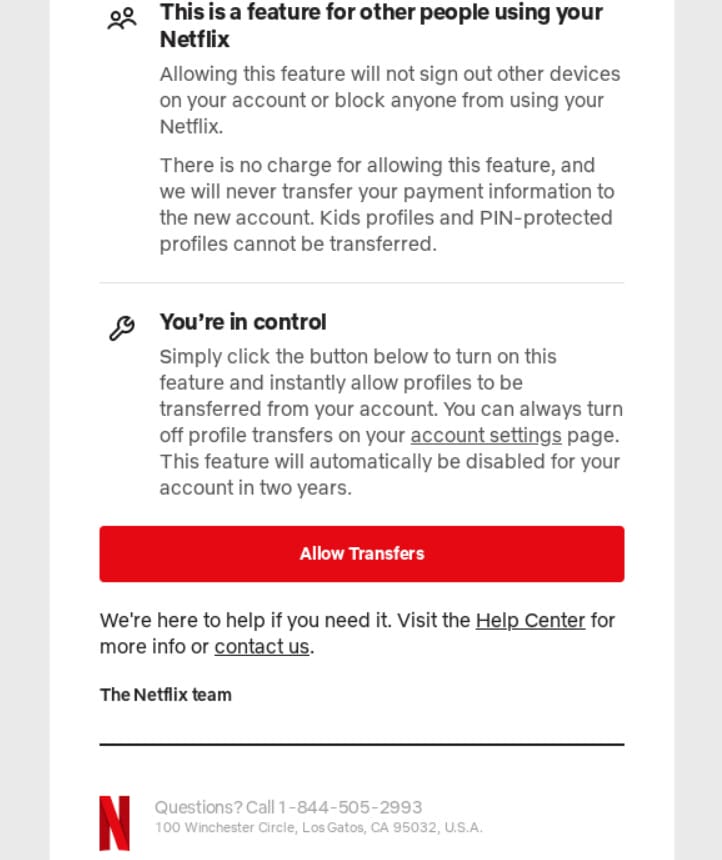
In addition to transactional, informational, and survey emails, users also receive notifications about popular movies and shows they can watch.
Harvest
Another example of a company that uses a successful sales funnel is Harvest—a SaaS-based time tracking platform.
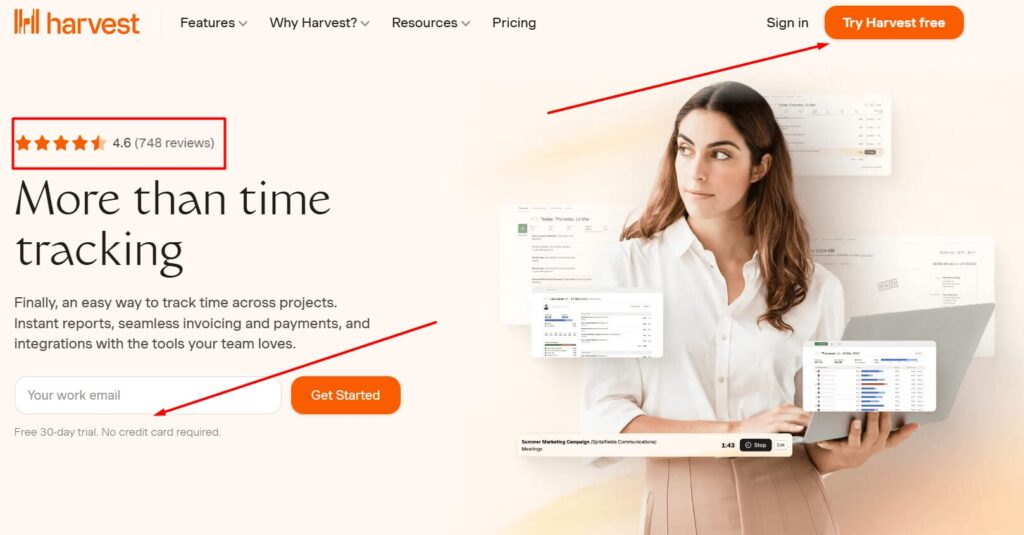
Website visitors are offered a free 30-day trial of the service. The “Try Free” button appears multiple times. Above the main headline, the company’s rating and number of reviews are shown—a strong form of social proof and an effective way to attract customers. Detailed case studies are placed in a separate section, where potential clients can read about completed projects related to their specific industry.
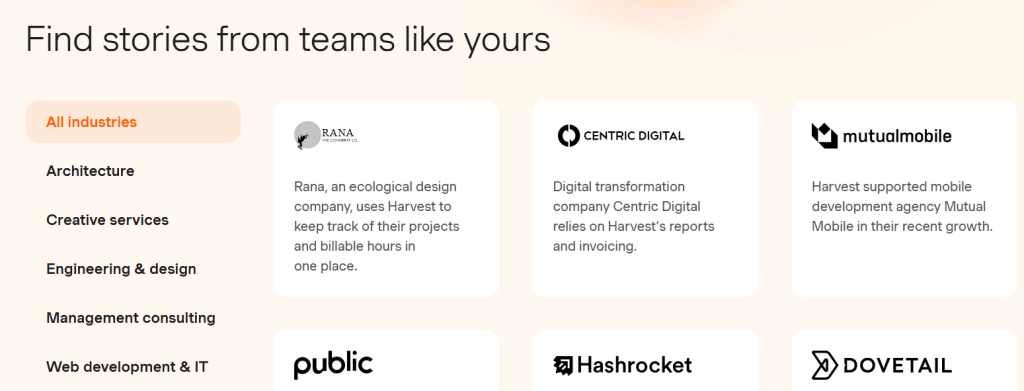
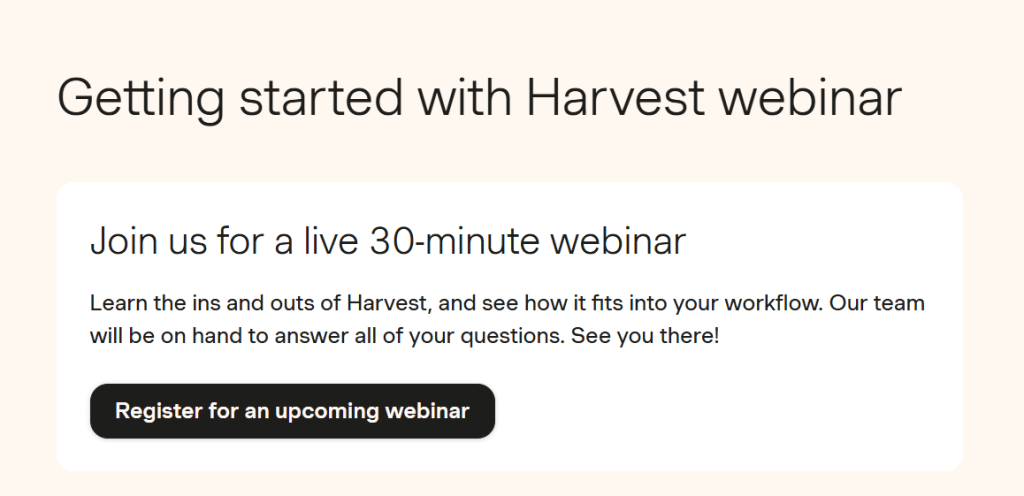
There are several entry points into the sales funnel. In addition to the 30-day free trial offer, new visitors are invited to sign up for a webinar about Harvest.
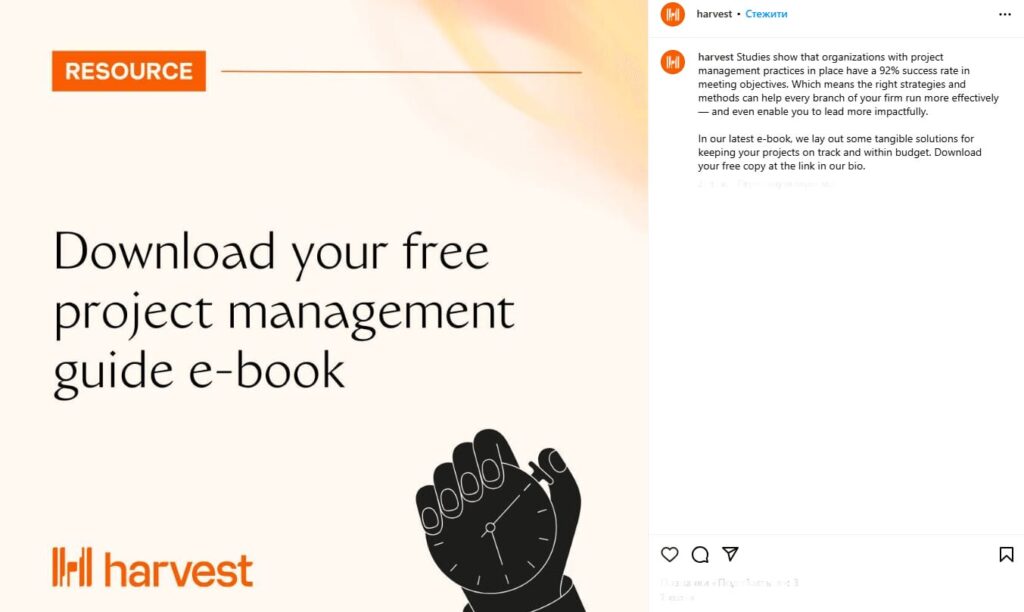
The company uses lead magnets to grow its customer base: “In our latest ebook, we share real-world solutions to help keep your projects on track and on budget. Download a free copy from the link in our bio.”
How to Build a Sales Funnel
Using a sales funnel tailored to your specific business provides a structured approach to sales, where each step acts as a mini-conversion. To do this, you need to define the goal for each stage and choose the right marketing tools and offers to reach those goals.
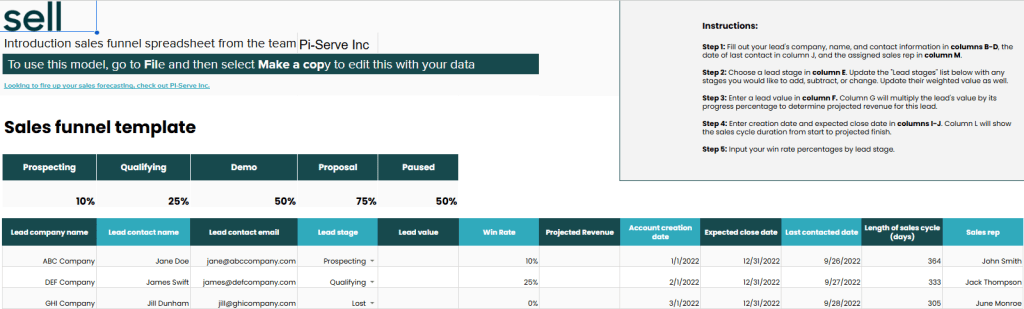
This is what a visualized sales funnel might look like in Google Sheets. Zendesk offers its own funnel template with instructions. It outlines the stages of customer interaction: “Prospecting,” “Qualification,” “Demo,” “Proposal,” and “On Hold,” and includes key metrics such as “Forecasted Revenue,” “Last Contact Date,” “Sales Cycle Length,” and more.
This type of template can be customized for your business. Taking notes about customers at each stage of the funnel helps sales managers engage the client base more effectively and improves the overall business strategy.
If the company uses a CRM, a custom sales funnel will also be visible in the system. Customer success teams update the funnel to reflect each client’s current stage. This approach supports personalization and boosts conversion, while preventing errors, duplicate outreach, and data inconsistencies.
You can generally break down the development of a universal sales funnel into 7 stages:
- Identifying the Problem
- Setting Goals
- Lead Generation Offer
- Lead Qualification
- Nurturing Qualified Leads
- Closing Deals
- Analytics and Optimization
Identify the Problem Your Product Solves for the Target Audience
It’s important to deeply understand your audience—their pain points, expectations, trusted influencers, demographics, and the platforms where they consume content most often.
Set Clear Goals
For example, increasing sales or promoting a social media page. One big goal should be broken down into smaller objectives that are achieved at different stages of the funnel using various marketing tools and offers.
Create a Lead Generation Offer
Only about 4% of website visitors are ready to buy right away. A free product trial, a personalized price quote with a discount, or a product selection guided by an expert can help persuade the other 96% to join your lead list. Once you have their contact info—like email addresses—it becomes much easier to retain and convert them into buyers.
Qualify Your Leads
Not all leads are the same. To manage sales effectively, organize your CRM, and write relevant email content, you need to check if the leads fit your ideal customer profile—and determine which audience segment they belong to. This affects their buying power, preferences, and how you plan your next steps to drive conversions.
Nurture Qualified Leads
Use email, social media, messenger campaigns, and other channels to stay top of mind and reach out at the right time.
Close Deals and Retain Customers
At this stage, a lead either becomes a customer or drops off. Even if someone decides not to buy, keep them on your mailing list (as long as they haven’t unsubscribed) and send occasional reminders.
If they convert, collect feedback and, if possible, build a community or launch a loyalty program to encourage repeat purchases. This is where re-engagement comes into play.
“Re-engagement paths are strategies and methods designed to recover lost leads or prospects, usually through ad retargeting or email marketing.”—“Purchase funnel,” Wikipedia
Track your results and improve the funnel
Improving your sales funnel can help you reach a point where you no longer need to spend a lot of effort generating new leads. People will learn about your brand on their own, and your base of loyal customers will keep growing.
In modern marketing, consumers can enter and exit the funnel at any stage—so it’s important to use multiple engagement channels and combine different promotion platforms. Each stage of the funnel typically requires different channels and tools. Some strategies, however, are effective across all levels of engagement.
At the awareness stage—the widest part of the funnel—social media marketing is often used. Viral posts, especially videos, help expand reach. Paid Google ads are also highly effective here, serving as a great way to drive traffic to your website.
In many industries, event marketing and even traditional advertising still work well. Invite website visitors to themed events using pop-ups or email campaigns.
Once someone enters the funnel, you need to keep their interest so the relationship doesn’t end after the first interaction. Start sending newsletters or publishing content that addresses their needs and questions. At this stage, it’s important to provide all the info needed to make an informed decision in your favor. Retargeting and remarketing are especially useful—particularly for e-commerce, where some visitors may add items to their cart but not complete the purchase.
Demo videos, case studies, and quiz marketing also work well during the interest phase. Try to collect as much contact information as possible so you can convert leads into customers in the next stage.
At the decision stage, product demos are especially effective. In some industries, advanced tools like virtual try-ons may be used. In other cases, simple video reviews or product samples may do the job. For online services, a free trial works well.
Discounts and special offers are another great way to nudge potential buyers toward a purchase. Social media is a great space to retain customers and drive repeat purchases—especially through UGC (user-generated content), brand ambassador promotions, recommendations, community-building, and loyalty programs.
Send surveys asking how satisfied customers are with the product or service. If a potential customer decides not to buy, ask them why.
What’s the difference between a funnel and a flywheel?
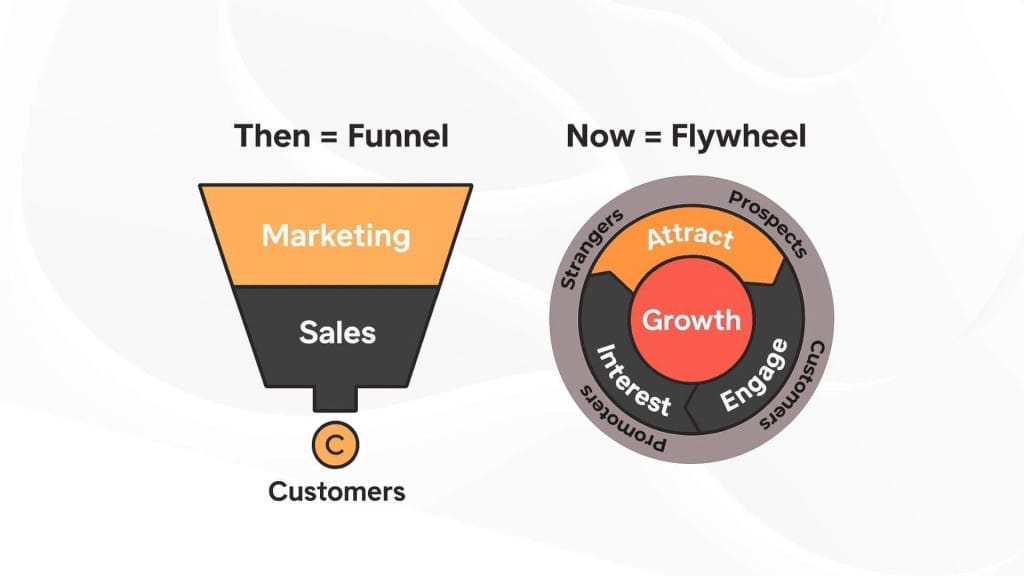
flywheel is a sales model based on repeat business and referrals. Unlike the traditional funnel, the main focus of business owners and marketers here is on the final stage of interaction—lead generation becomes less of a priority. Existing customers are used to introduce others to the brand and bring them in.
“To get your flywheel spinning, you need to add force by making significant investments in customer acquisition and retention strategies. Once you gain enough initial customers and ensure their success and satisfaction, they become the force behind your flywheel. That’s because they either buy from you again or bring in new customers by promoting you to their network. This is the key to keeping your flywheel in motion without investing all your resources into acquiring new customers.”—“What is a Sales Funnel?”—Dan Tyre, HubSpot
To build a flywheel, you need to focus on creating strong social proof. This includes reviews, case studies, user-generated content, and any organic forms of promotion. People pay attention to a company’s online reputation—before making a big purchase, they’ll type the brand name into Google, watch YouTube reviews, and read Instagram comments.
No one can showcase your product better than your actual users. That’s why it’s worth collaborating with loyal customers by offering perks for repeat purchases and positive feedback. Make the customer journey easier—let people get real value at any stage of the sales funnel. For example, offer a discount on their first order with a promo code. Ask an influencer to share that code on their page, like in an Instagram Story.
You can start with a standard sales funnel, and once your target audience is familiar with your offer, shift to a flywheel approach. A well-designed and properly implemented sales funnel helps generate positive reviews and grow your base of loyal customers.
Conclusion
A sales funnel is a “roadmap” that shows where a potential customer is in the buying process at any given time. It’s a visual representation of how a company interacts with its target audience—usually made up of four key stages: awareness, interest, desire, and decision.
The final stage can continue with customer retention. At this crucial point, you should build a community that naturally attracts new buyers. This is the core of the flywheel model—where customers can enter the funnel at any stage. In many industries, today’s consumers follow the flywheel approach, often skipping the top layers of the traditional funnel. They focus first on social proof, micro-influencer opinions, and peer recommendations.
FAQ
A sales funnel is a visual representation of the stages a company uses to attract customers and guide them through different levels of engagement with the brand.
The structure of a sales funnel usually follows the AIDA model and includes four stages: awareness, interest, desire, and action. Many modern funnels don’t end with action—they continue with customer retention, focusing on loyalty and re-engagement.
To build a sales funnel, you need to define your unique selling proposition (USP) and set goals for your marketing strategy. Then, create attractive lead generation offers, check if the leads match your ideal customer profile, nurture them with valuable content or other methods, and drive conversions and repeat business.
-
Tags
