

WHAT IS LINK BUILDING?
-
Post author

-


Link building is an off-page SEO technique. It means promoting your site by getting backlinks from other websites. If trusted websites link to your site, Google sees your content as reliable and useful. This helps your website rank higher in search results and brings in more organic, targeted traffic.
What is this about?
- What is link building?
- What makes a backlink high-quality?
- Why is link building important for SEO, and where should you start?
- Link building methods
- Conclusion
Good link building helps both users and search engine crawlers find your website among many others. The web is like a big city where website pages are buildings, and links are the roads connecting them.
The job of a website owner, marketer, or SEO specialist is to make sure the roads they build can always be found by users looking for specific content, products, or services. Search engines check if these roads are reliable and make sure people reach the right destination.
What is link building?
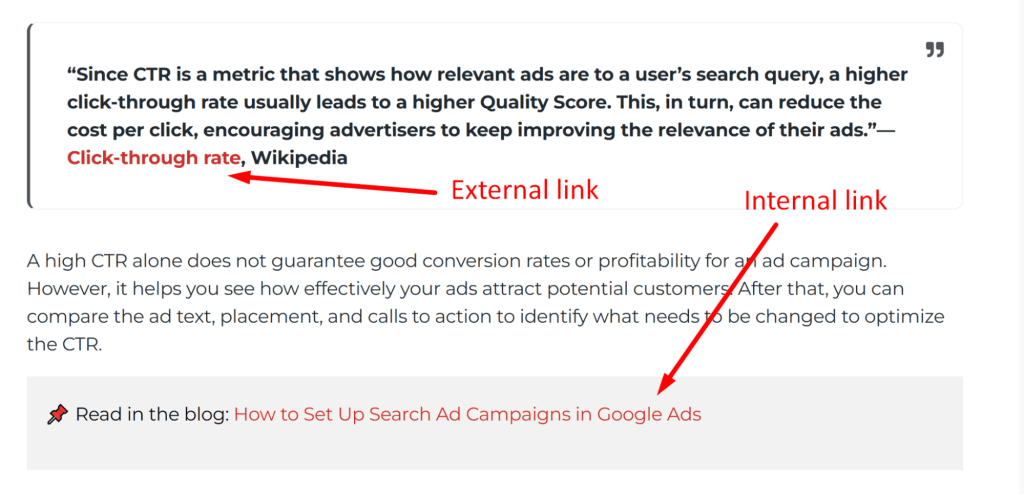
Search engines are always scanning links—both between pages on the same website and between different websites. Inbound links take users from one page to another and help with navigation and on-site optimization.
In contrast, outbound links go from other websites to your site and are part of off-page SEO.
Here is your text translated into Simple American English with accurate marketing terminology:
It was the backlink method that helped Google become the leader in the search engine market in the late 1990s. One of the founders of the most popular search engine, Larry Page, created PageRank—a link ranking algorithm that shows how important a page is.
Google used it to measure page quality, especially based on how many links pointed to it. Later, this metric started to be used as part of SEO strategy to improve rankings, which helped the search engine show users the most relevant search results.
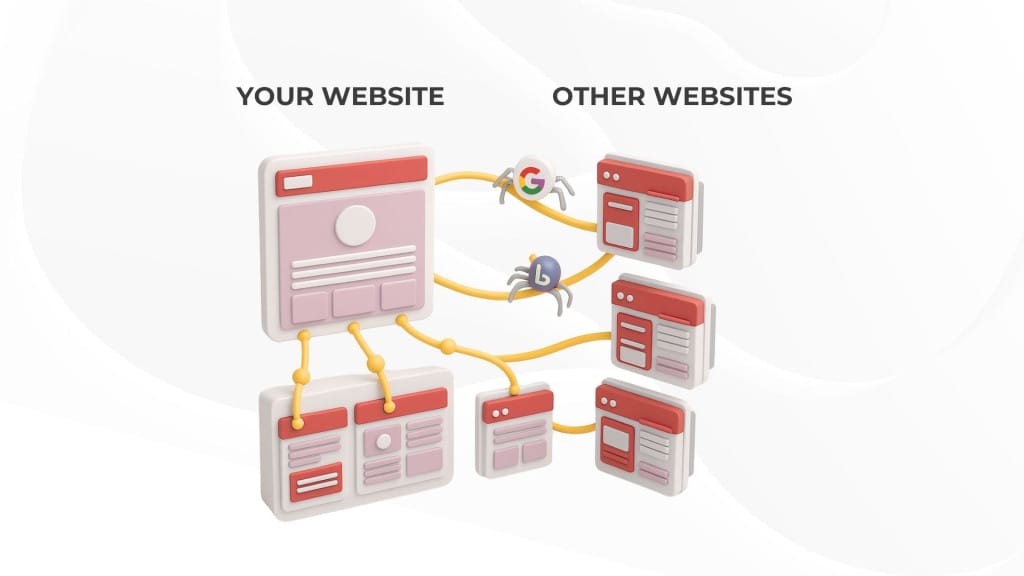
Over time, SEO specialists learned how to manipulate PageRank and search results for keywords. At that time, the search engine had difficulty telling the difference between low-quality and high-quality links. Through regular updates, Google began carefully filtering websites, which made it easier to detect low-quality links.
“Google started rejecting some link building methods that used to work well—for example, submitting a site to web directories and getting links in return. This was a tactic that Google actually recommended at one point, but it was abused by search engine optimizers, so Google stopped valuing these types of links highly.” The Beginner’s Guide to Link Building. What Is Link Building in SEO?—Paddy Moogan, co-founder of a digital marketing agency Aira
To make sure a search engine finds your website, you need to have at least one link to it from another web resource that the search engine has already scanned. This is a requirement during the initial optimization and launch of a website.
In HTML coding language, a hyperlink has two main parts:
- The URL you are linking to (the page address);
- The clickable text that users see on the page (anchor text).
It looks like this:
<a href=”https://URL”>anchor text</a>
A well-thought-out anchor (also called link) text helps bring more visitors to your page and helps search engines understand what your page is about. Together, this can increase your organic traffic from search engines.
Besides being a strong tool for off-page SEO and part of a website promotion strategy, link building can also be an effective marketing method to increase brand awareness.
What are high-quality backlinks?
In 2012, the Penguin update changed how link building works. Unfair link-building methods not only fail to help websites but can even hurt them and stop them from reaching top search rankings.
Link-building tricks meant to fool Google are called black-hat or shady tactics, and the strategy is known as Black Hat SEO. Sometimes even honest methods can fall under this if they are overused—search engines may ignore them or even penalize websites. These methods include:
- Buying backlinks from websites or web directories;
- Using middleman sites to pass links to others;
- Creating link farms or fake profiles for link building;
- Posting spammy comments with links.
All these methods lower the quality of backlinks, so Google works hard to make sure buying links and spamming do not give website owners the results they want. That’s why you should never spam websites with the same comment under different posts. But if you want to add an original comment with a link, like to your blog, that’s allowed. This kind of mention won’t improve your search rankings, but it can help your brand become more well-known.
Shadow methods can only hurt web pages, because search engines are likely to remove them from search results. After using Black Hat techniques, a website might get a high ranking for a few days, but its traffic will quickly drop. This story is familiar to anyone who has ever used shady promotion methods, no matter the platform.
There are a few key factors for evaluating the quality of backlinks:
- Website authority.
- Content relevance.
- Placement and anchor text.
The more authority a site has, the more valuable the backlink published on it. You can buy lots of links from unknown bloggers and see no results. Or you can get one link from a popular news website and instantly improve your website’s ranking.
If you properly target the right audience, your page conversion can also go up. To do that, you should first create a detailed profile of your target audience before building links. Find out who they are, what kind of content they want, what questions they ask, and what words they use. When describing your typical customer, think about the type and topic of websites they visit, where they shop, where they search for info, and who they trust as opinion leaders.
A site’s authority often affects both the quality and number of backlinks to it, as well as the amount of organic (unpaid) traffic. Pay attention to how natural the existing backlinks on your website look.
When it comes to relevance, it’s better to create SEO links on websites that are closely related to your business topic. This shows users that experts in the field respect you. So, the page where you place the link should be relevant to the content on the page you’re linking to.
For example, imagine you have three backlinks to an online store that sells Korean skincare. The first is placed on a recipe site, the second on a beauty and self-care blog, and the third on a blog about Korean cosmetics.
In the first case, few visitors will likely be interested in your product. In the second, the relevance is better. But in the third case, the users are most likely to be highly interested in what you offer.
Link placement is the third key factor for measuring link quality. It’s known that links in sidebars, footers, and below the main content are less effective than links placed directly in an article—especially near the top of the main content.
“The more visible a backlink is on the page, the more valuable it may be for SEO. This is because Google may consider how likely a reader is to click on the link based on where it’s located. This is called the ‘reasonable surfer model.’”—“Link Building for SEO: A Guide to the Basics,” Rachel Handley
An informative anchor text helps users know if the link contains information they need. This lowers the bounce rate, which positively affects your site’s search ranking. Clear and short anchor text also increases the number of clicks. It can even include a keyword. For example, a backlink with anchor text like “buy SPF cream” clearly shows what’s on the page. On the other hand, text like “click here” doesn’t give useful context.
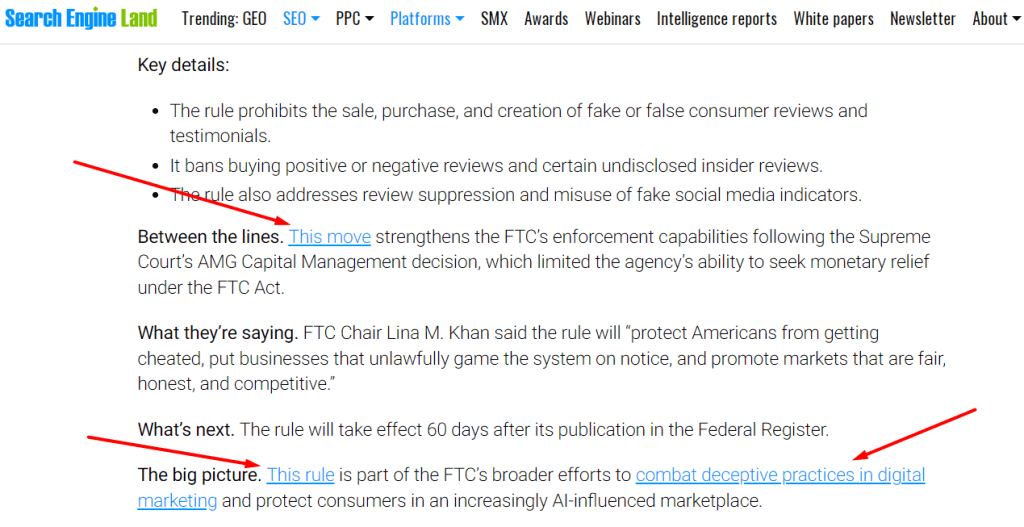
It’s important to note that not all high-quality web pages have a high PageRank, especially in the B2B sector. You should focus on what percentage of visitors can convert on your website.
Reliable backlinks are those that come from high-quality websites. You can recognize such sites by a few key signs.
- They are niche websites or have regularly updated sections on a specific topic.
- They have good traffic and conversion rates.
- They don’t link out to adult sites, illegal platforms, scam websites, etc.
- Their advertising sections don’t list prices or mention text links or backlinks.
- They may appear in the Google News feed.
Overall, the quality of a backlink is a relative metric—except for the obvious signs of low trust. A lesser-known blogger may link to your site and bring a large number of potential customers—if their audience is your target market and trusts them as an expert or a personality. Links from forums or press releases don’t carry SEO value, but they can be useful to readers if the platform has enough active users. Of course, links from trusted sites like Wikipedia or Forbes are the most effective—but only well-established websites that have earned Google’s trust can get them.

Expert comment
Good link building isn’t just about hiring an SEO agency to get backlinks. It’s a combined effort by the client, the PR team, and SEO specialists.
Some backlinks come from things like being part of associations, giving interviews to the media, speaking on TV, organizing webinars, or partnering with universities or related industries.
While helping with screenshots for this article, I noticed that our agency got over a dozen new backlinks. Even our U.S. competitors included us in their rankings—top 10, top 13 best SEM agencies, and best SEO agencies for manufacturers. First, you build your brand and reputation—and then the reputation works for you.
You start getting reviews, being featured in rankings, interviewed in Forbes and other media. As a result, more people write about you, mention you more often, and the social proof effect kicks in. That’s why link building is a mix of all these things: some of it you can outsource, some you can’t, and some requires personal involvement.
It’s a long-term game. Join associations, attend events, speak publicly, create reasons for media coverage—and then links will come even without actively chasing them.
📌 Read the article: Who is a Link Builder and How to Become One
Why link building matters for SEO and where to begin
Building backlinks is an important part of SEO promotion, which itself is a key part of an effective marketing strategy. Like any traffic growth tool, this method can help improve your website’s performance—or harm it.
The number and quality of links to your website play a major role. These two factors affect your search engine rankings. A website owner with lots of low-quality backlinks will lose to a competitor whose site is linked to by just a few industry influencers. Search engines measure how valuable your page content is—so don’t try to trick Google.
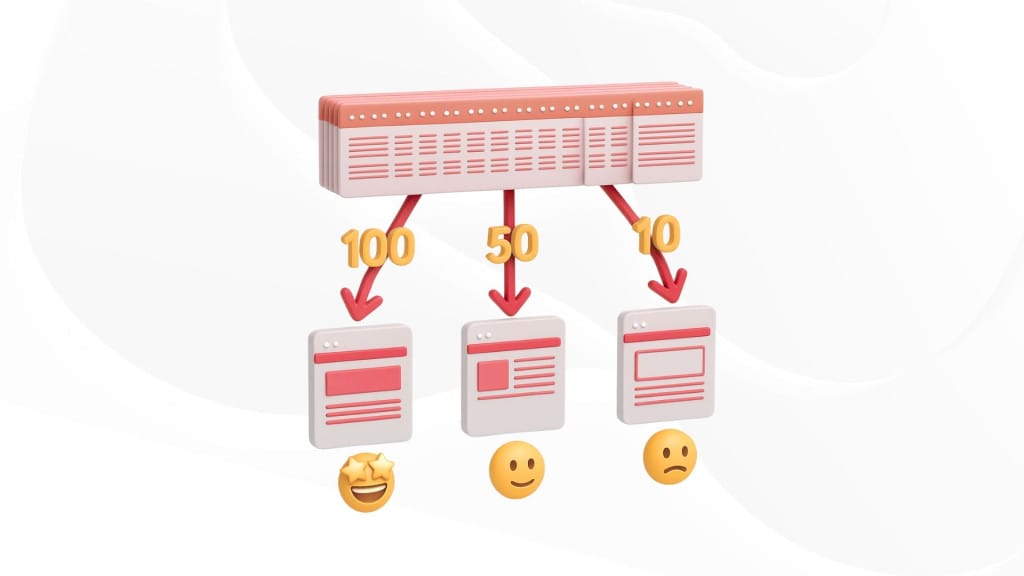
“People who click this link are telling search engines that your website has great content, and this can help move it higher on the search engine results pages, or SERPs. A search engine results page (SERP) is a page made by a search engine in response to a user’s search or query.” “What Is Link Building? Beginner’s Guide to Link Building for SEO”—Jessica Bonacci, сontent Writer
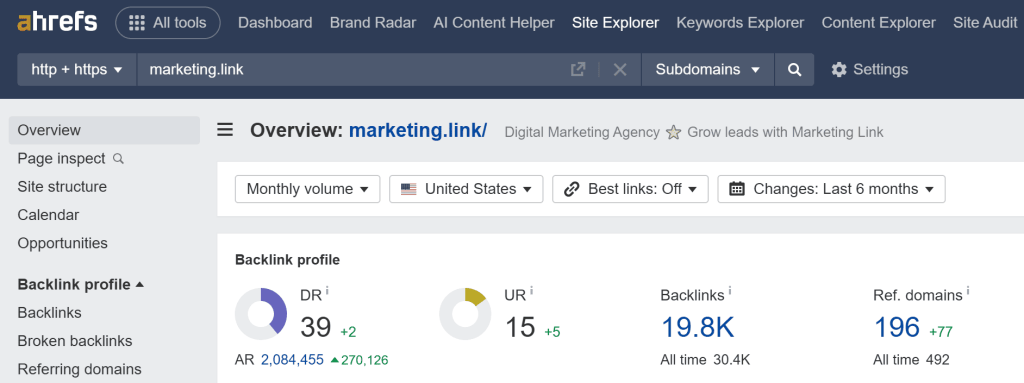
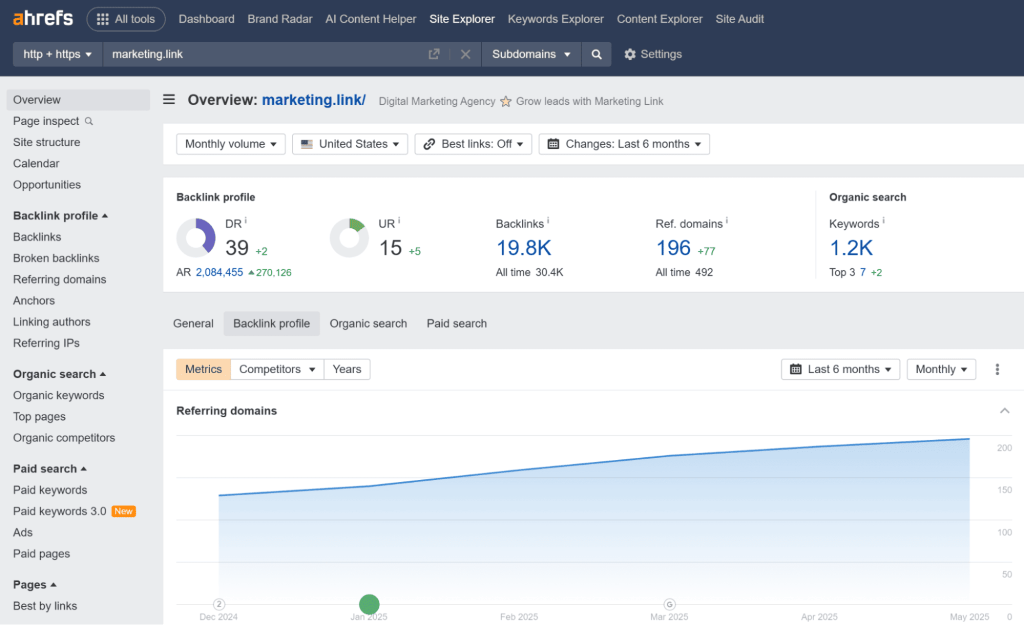
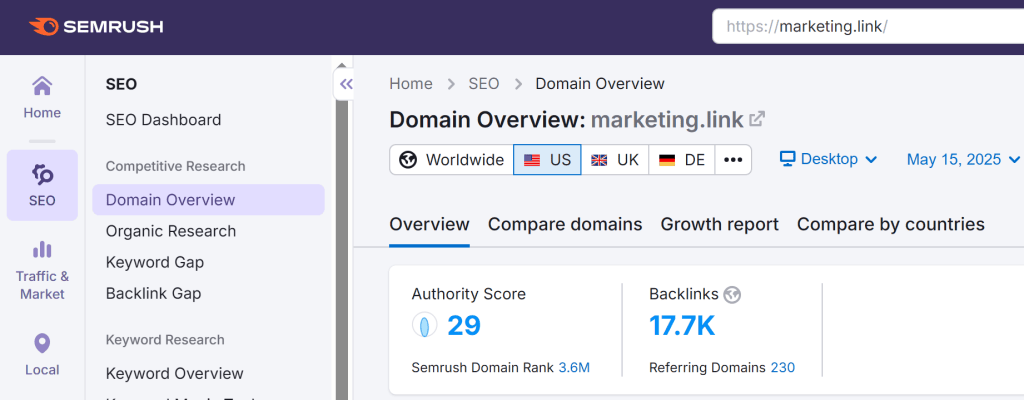
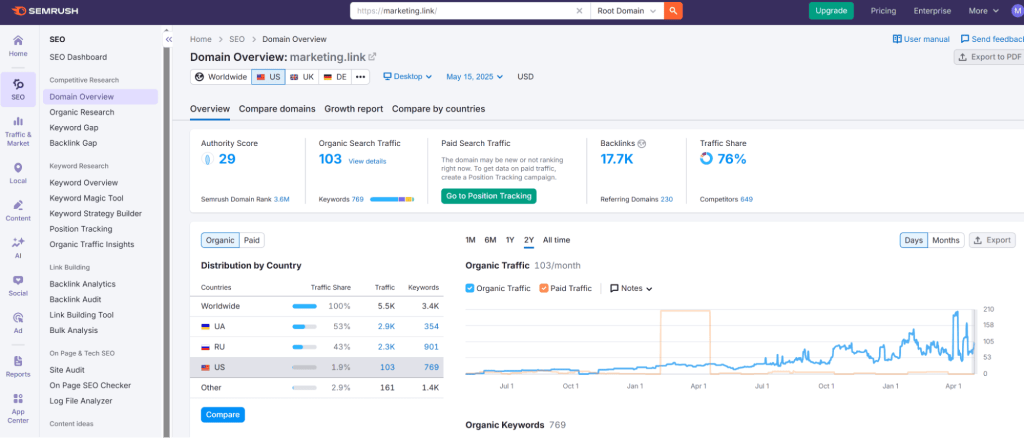
The value of the website you are considering as a backlink source reflects the domain authority. This metric is a number from 1 to 100 and shows how trustworthy the website is for search engines. You can check the domain authority using tools like Moz or Ahrefs.
For SEO, the Nofollow, Sponsored, and UGC attributes are important. Search engines use them to decide whether a link should pass ranking value from the referring site to the linked page. Some links have the “nofollow” attribute, which tells Google not to pass value: rel=”nofollow”. This is used when the publisher doesn’t want to support the linked page for some reason.
A nofollow link looks the same as any regular link, but in HTML it looks like this:
<a href=”https://example.com” rel=”nofollow”>Anchor Text</a>
Paid links are considered unnatural. If they don’t have the “nofollow” tag, the website being linked to could be negatively affected by Google’s algorithm.
The “sponsored” attribute marks paid links and looks like this: rel=”sponsored”. It shows that the link was paid for by the site it leads to, and Google ignores it.
Another type of link that search engines don’t count—and that doesn’t help the target page—is a user-generated content link: rel=”ugc”.
These links are often added by users themselves, like in forums, blog comments, social networks, or directories. Even though Google ignores them, such links can still increase brand awareness and bring referral traffic. But like “sponsored” and “nofollow” links, they won’t boost page rankings.
“User-generated content like blog or forum comments with links can bring useful referral traffic if the comment is thoughtful and matches the blog topic. But these links almost always use the Nofollow or newer UGC tag, which tells Google not to count them in ranking.”—“Link building,” Wikipedia
Standard links that don’t use any of the above attributes are called follow links or “dofollow” links. These are what SEO needs. They include editorial links, which are earned naturally and not through paid or mutual promotion. Most of the time, these links are placed because they offer valuable content.
📌 Read the article: How to choose a domain name
Link building methods
The best result for a website owner or marketer is getting natural links—ones you didn’t ask for or pay for. This long-term strategy means creating very valuable and unique content that people share on their own. Your product or service quality plays a big role here.
At the same time, it’s smart to use some link building methods that help build brand awareness and bring organic, targeted traffic. Let’s look at the main link building techniques.
Link reclamation
Use brand mention tools or set up email alerts to find mentions of your brand online. This helps you apply a simple link-building tactic—bringing back links to your site that used to work but are now broken or removed.
Fixing broken backlinks
Use SEMrush or Ahrefs to do research. Enter a keyword that matches your topic and use search operators to find popular websites in your niche with broken links on their pages. Then contact the site owners, let them know about the broken links, and suggest replacing them with your relevant and unique content.
Competitor analysis and beating their results
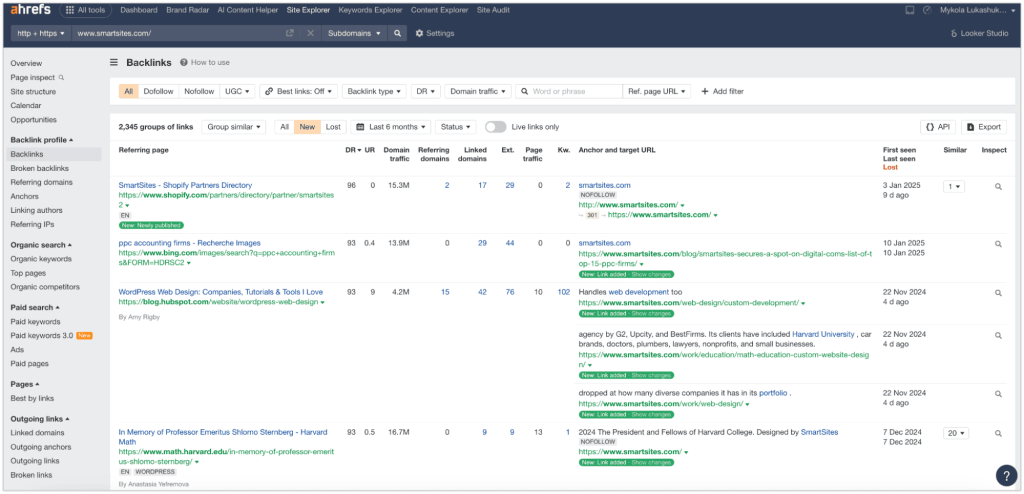
Use SEMrush or Ahrefs to download a CSV file of your strongest competitors’ backlinks. Filter your spreadsheet and tag by traffic, total number of unique referring domains, and other key metrics. You can monitor competitor backlinks with Ahrefs.
Creating collections, searching for sources with lists
Use the operator string “intitle:keyword AND intitle:resources AND inurl:resources” to find active business and service directories in your niche with specific lists. Reach out to the authors and ask them to include your company or product in their collections.
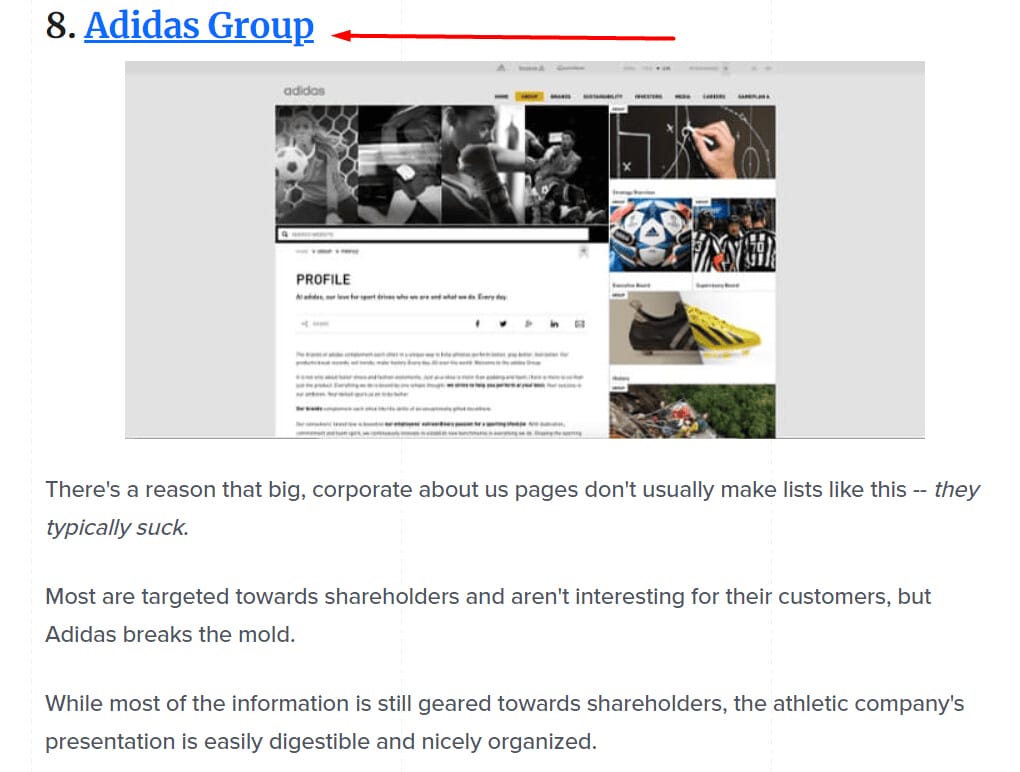
If you have created something unique, there’s a chance to get listed in popular directories for free and with no extra effort. For example, themed collections are often published on the HubSpot blog. Sometimes, it’s enough to design your web page well so that another company adds it as a reference in their list.
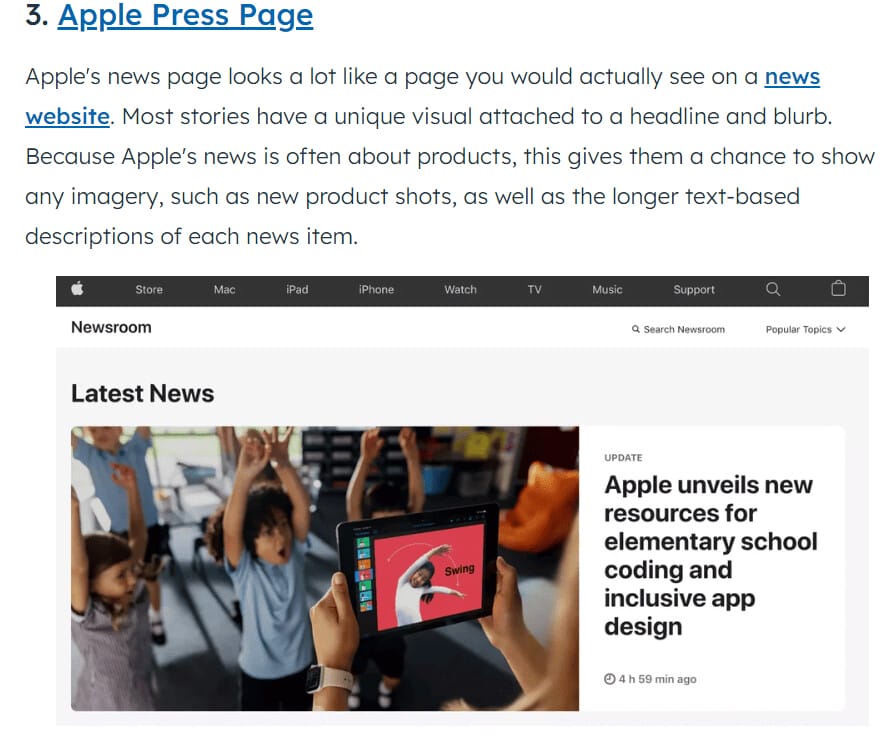
A similar example is presented on the IMPACT blog, namely in the article “27 best about us page examples and how to create one.”
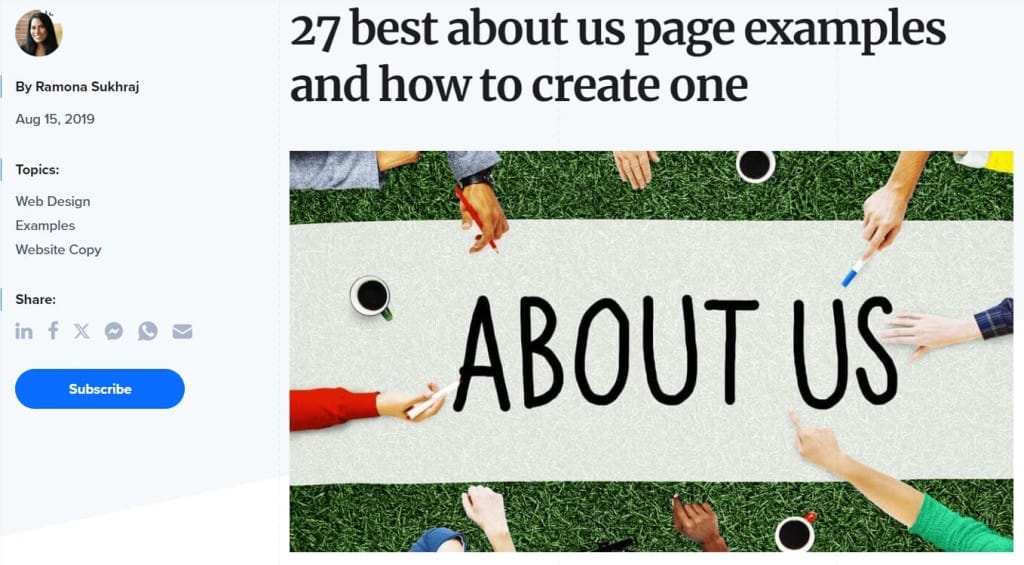
If your company is not well-known enough, you can negotiate to have your brand mentioned in similar expert selections. In cases where the name speaks for itself, content authors include the link on their own, guided by the goal of giving blog visitors maximum value and boosting their own site through reliable outbound links.
Skyscraper
The Skyscraper technique means finding high-ranking content in Google for a keyword you want to rank for. Your job is to create a better version of that content. Add videos, infographics, or other useful elements.
Guestographics
This means using infographics. Tools like Buzzsumo, Ahrefs Content Explorer, and others help find trending content in any industry. You can take a current article or evergreen content and turn it into an infographic.
Ego bait
Appeal to the ego of an influencer. Tag a thought leader—someone your audience follows—in your post. This may encourage them to read your content and even share or link to it. This method can also include making a post that lists top thought leaders, their websites, or social media pages. You can also send an email to the influencer once the post is live.
Thought leadership
Public speaking, writing your own book, doing interviews with local media, research, or going viral on social media—all of this can help you become a thought leader, even for a small audience.
Original research
You can survey potential or current customers to learn something new about your product or niche. Once you have interesting data, write an article or create other content and publish it on your website. You can also prepare a press release with your findings and ask an industry website to publish it.
Custom tools and widgets
If you create a tool or widget—for example, a pricing calculator for a specific service—it can help your site rank higher for target keywords.
One example marketers might link to is the infographic design tool from WebFX. The company talks about this infographic builder on their blog.
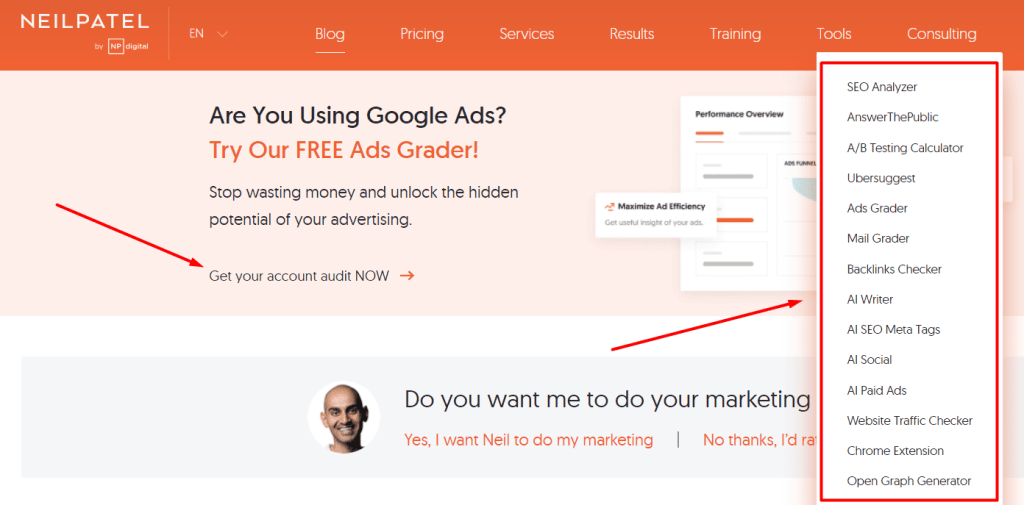
Another good example is the set of tools from Neil Patel, including his Google Ads tool.
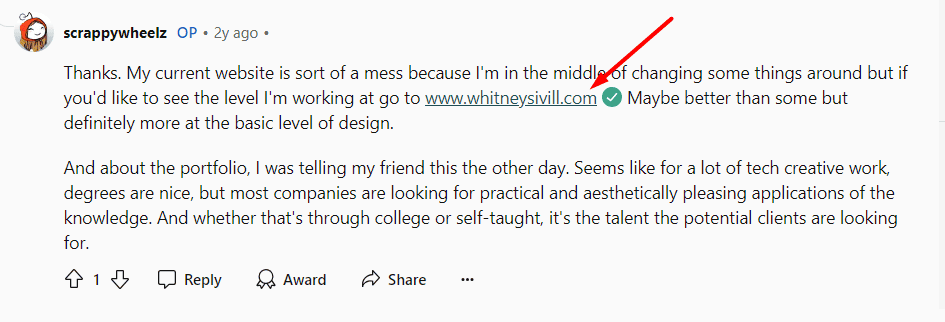
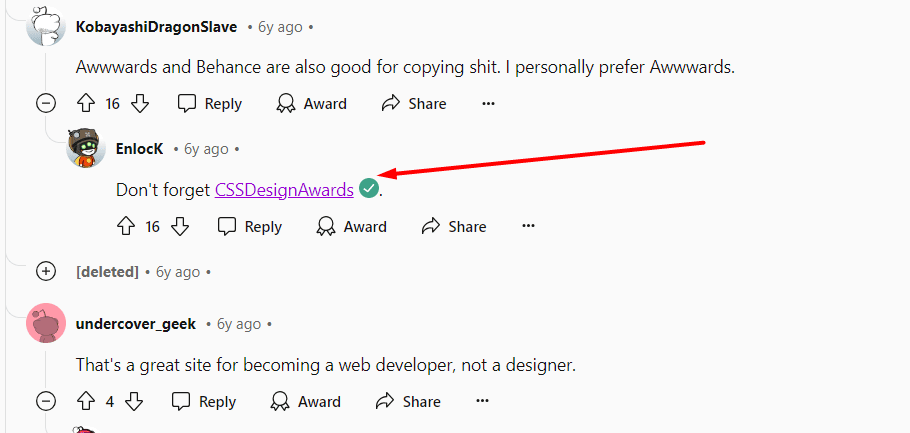
On resources like Reddit, you can often find links to online services and useful materials. People recommend useful sites and tools to each other, but the platform checks all posted links for reliability.
The best way to build backlinks is still to create high-quality content. Focus on quality, not quantity. Don’t ignore guest posts, sharing content on different platforms, including your personal blog and well-known collections.
Conclusion
Google sees backlinks as recommendations. The better the quality and number of links to your site, the more trustworthy it looks. The exception is links with Nofollow, Sponsored, and UGC attributes. These can improve brand awareness but don’t affect search engine rankings.
The main factors that make a backlink valuable are the website’s authority, how relevant the content is, where the link is placed on the page, and the anchor text. It’s good to use different link building methods, like fixing broken backlinks to your site, replacing others’ broken links with yours, creating lists and roundups that include your page, skyscraper technique, guestographics (infographic-based outreach), Ego Bait (appealing to experts’ or influencers’ egos), thought leadership, original research, and adding your own tools or widgets to your site.
You can aim to work with influencers, or become one in your niche. Another strong point could be your skill in creating viral or very helpful content. This works best because it helps you earn natural backlinks—no need to ask for them or pay. People will share your website if you give them a reason to do it again and again.
Answers to questions
Backlinks are incoming links—they lead to your website from other sites. Creating them is part of off-page SEO.
Search engines constantly scan links between different sites. Link building helps search engine crawlers find and index your web pages.
The best way to get quality backlinks is through natural link building—when others recommend your site without you asking or paying. This only happens if you create valuable content that people want to share.
-
Tags
