


WHAT IS CROSS-MARKETING?
-
Post author

-


When two strong brands work together, both sides usually benefit more. Cross-promotion involves two or more companies that advertise each other’s products or launch and promote something together. The goal is to increase brand awareness and boost sales for everyone involved. When collaborations are well-planned, they attract loyal and targeted customers—because ads from a favorite brand feel more trustworthy than a regular recommendation.
What are we talking about?
- What is cross-marketing and how does it work?
- How to build a cross-marketing strategy?
- ІIdeas and types of cross-marketing
- Examples of cross-promotion
- Conclusions
What is cross-marketing and how does It work?
Cross-marketing lets companies join forces and share customers. For this to work, they need a shared target market and should not be direct competitors. Only then can the partnership be beneficial and effective.
“Cross-promotion is a form of marketing promotion where customers of one product or service are targeted with ads for a related product.”—Cross-promotion, Wikipedia
Through cross-promotion, brands can lower marketing costs and grow their customer base. Ads in these partnerships are usually relevant to the audience because they reach people who are likely to be interested.
Cross-marketing is also a strong way to generate leads because it helps businesses offer more variety. A special form of cross-promotion is co-branding.
“Co-branding is a marketing strategy where two or more brand names are used together on one product or service.”—Co-branding, Wikipedia
One digital co-branding example is the partnership between The Huffington Post and Johnson & Johnson. Independent journalists write stories about women and children. The advertiser’s brand joins with a digital publisher that has a similar audience to promote the brand through relevant content.
Benefits of cross-marketing
- Improving brand image and reputation. Partnering with a trustworthy and popular business helps build trust and loyalty among your target audience. Positive associations with your brand grow when another company publicly supports your product—it works as strong social proof.
- Entering new markets. A well-designed cross-promotion strategy helps reach new demographic groups. For example, you can reach a younger audience by collaborating with a relevant influencer.
- Lower advertising costs. When done right, cross-marketing is a win-win. You can attract more customers while spending less, since both partners share the marketing expenses.
- Using new marketing tools and channels. If your partner has a strong presence on Instagram and you’ve never used that platform, a cross-marketing campaign lets you quickly build a presence there. At the same time, your partner may benefit from your strengths, like having a successful YouTube channel.
Nonprofits often approach local businesses for free promotion or sponsorship. Helping organize charity events shows your business cares about the community and boosts your brand image.
Cross-marketing does have its downsides—or better said, risks. You can hurt your brand if you don’t carefully check your partner before launching a campaign. That happened with fashion retailer Neiman Marcus. Their collaboration with Target failed because customers criticized Neiman Marcus for poor quality and Target for high prices.
Cross-marketing only works when both companies benefit from promoting each other. If money is exchanged, it turns into sponsorship. In 2016, the U.S. Federal Communications Commission (FCC) issued rules for paid cross-promotion. If influencers or companies are paid to promote a product or service, their content must be clearly marked as advertising under FCC guidelines.
How to build a cross-marketing strategy
Before you start, be clear about what you want to achieve—no more than two or three goals. Otherwise, it becomes hard to focus and measure success. Look at weak points in your business and the KPIs you want to improve, like sales from your website or social media engagement. Then decide how cross-marketing will help you meet those goals.
- Understand your target audience
Look at demographic details not only of your current customers but also of those who might be interested in what you offer. The more you know, the better you can plan your budget and create relevant offers. A deep market analysis will also help you discover new customer segments. - Find the right partners
Consider the demographics not only of your current customers, but also of people who might be interested in what you offer. If you collect enough information about your existing and potential buyers, it will help you in the future to allocate your marketing resources effectively and prepare relevant offers. A deep analysis of your target market will help you discover new audience categories. - Choose potential partners
Look for brands that have a similar—but not identical—audience to yours. Working with companies or influencers from outside your industry can help expand your reach and enter new markets. It’s important that your and your partner’s products or services complement each other instead of replacing one another. One of the most common ways to find potential partners is by asking your customers what other products they use. Networking events—both online and offline—can also help with this. Make sure the brand you’re interested in is also open to co-marketing. Check their Instagram page. Focus not only on the number of followers, but also on engagement and audience reach. You can find out the reach by asking the potential partner to send screenshots of their analytics. - Create a partnership offer
Your partnership pitch can be a short email or a visual presentation, depending on your business size and industry. But the key part is always the same—the value of your offer. Explain why the brand should want to work with your company. Make your email more convincing by including a link to your portfolio or case studies. - Sign agreements with partners
Before running a co-marketing campaign, you need to create an agreement that clearly defines the terms of the partnership, deadlines, expected results, etc. The document should include both sides’ expectations and the metrics you’ll use to measure success. In some cases, it’s a good idea to ask a lawyer to help with the contract.
You can use special services to find partners, such as the platform Intribe. Registered users can view brands that are looking for partners in a specific region or industry.
It’s best to send your partnership request to the dedicated partnership contact—such as a special partnership email. You can often find this information on LinkedIn or the brand’s official website in the “Contacts” or “For Partners” sections, or in the bio of their Instagram profile. This helps save time and lets you start talking to the decision-maker directly.
Cross-marketing ideas and formats
According to Partnerize research, partnerships bring over 20% of total revenue for 54% of companies. Co-promotion can double your audience—even during a financial crisis. If a brand isn’t ready to spend big on paid search ads, social media promotion, or other lead generation tools, cross-marketing is a great option for multichannel promotion.
You can choose the best collaboration format for your company or use several at the same time.
📌Read more: What is digital marketing? Types and examples
- Influencer posts
People trust influencers more than regular ads. According to statistics, 58% of people buy a product because of an influencer’s recommendation. Even one-time collaboration with a famous person can increase sales and brand awareness. Decide how your product should be shown—this can be a regular review with a photo, an article, or a video. Consider which social platforms your target audience uses most often.
Example: the swimwear brand La’mariette partnered with Selena Gomez. The brand shared the collaboration on their website, while the singer posted it on her Instagram page.

- Video ads
Cross-promotion campaigns often include videos that highlight the benefits of both companies and show the product in use. - Giveaways and contests
People love interactive experiences. You can run a giveaway together on social media, or let your partner host a contest and link to a page on your website. Everyone wins—traffic, followers, etc. The prize costs are usually split, so this is a cost-effective method. - Joint event
Co-marketing partners organize events where both sides’ customers can meet and shop from multiple brands. Offline events are great for sharing business cards, promo flyers, and discount codes. Online events are often cheaper to host. You can promote digital products or online stores at the end of a joint free webinar. A software company might work with an edtech platform to run a webinar about new tech in programming, for example. - Cross-promotional email campaigns
A cosmetics e-commerce store can team up with a blogger or another beauty brand to send a joint email newsletter or messages through chat apps. These can include exclusive discounts or product offers for shared subscribers. - Guest posts
A food blog owner can invite a well-known chef to write a guest post with favorite recipes that are relevant to the audience. - Social media campaigns
Cross-marketing on social media isn’t just giveaways or influencer mentions. A common tactic is a joint post seen by both accounts’ followers. - Customer promos
Some companies in the same or related fields work together on loyalty programs. A restaurant and a coffee shop might invite customers to join a points program valid at both places. - Co-creating a new product
Launching a product or service together helps reach a larger audience and split development costs. The brands should have similar values, and the products or services shouldn’t clash in terms of style or concept. - Printed ads
For example—flyers or brochures from partners handed out at events or venues, or ads in magazines and catalogs. Stores often display partner brand logos or visuals on their outside walls. - Affiliate marketing partnerships
This is a paid version of cross-marketing. For example, an online bank might offer cashback from partner brands when a customer pays with their card.
📌Read more: What is demarketing?
Press releases, co-branded merch or food products, expert interviews, and guest speakers at online events are all examples of cross-marketing. Joint landing pages or ad campaigns on platforms like Facebook or Google Ads are rarer, but combining budgets can increase reach at a lower cost.
Examples of cross-promotion
Cross-marketing works best when both partners target audiences with similar interests, problems, income levels, age, etc. Sometimes, brands aim to expand their market—targeting different but compatible demographics. For example, they may start aiming at younger, wealthier consumers when they used to target middle-aged people.
A good example is the partnership between Louis Vuitton and BMW for the BMW i8 launch. Louis Vuitton created a custom luggage set for the car. They succeeded because both brands have customers with similar income levels and social status. People who love Louis Vuitton are also likely to be interested in BMW—and vice versa. This way, both brands benefit without losing anything.

Cross-promotion isn’t new. A classic example is Burger King and Lucasfilm’s collaboration for the 1977 release of Star Wars. Burger King sold collectible glasses, 3D glasses, and posters with fan-favorite characters during the movie launch.

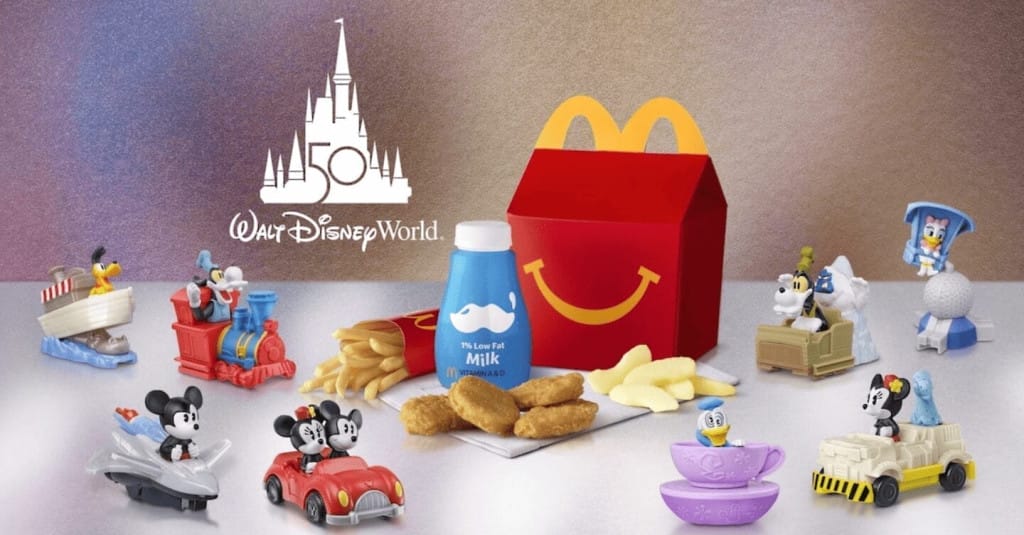
Another popular case is McDonald’s partnership with Disney. Their collectible Happy Meal toys promote cartoon characters while making the meals more appealing to kids.
Starbucks partnered with Niantic. The Pokémon Go Frappuccino drink was featured inside the Pokémon GO augmented reality game and could be found at PokéStops and Gyms. Around 7,800 stores joined the campaign. Although the drink wasn’t on the real menu, it appeared in the game, making the user experience more fun. Players could find Pokémon at Starbucks stores.

The stock image site iStock partners with Invision and Adobe, so users can buy iStock photos directly inside these design tools.
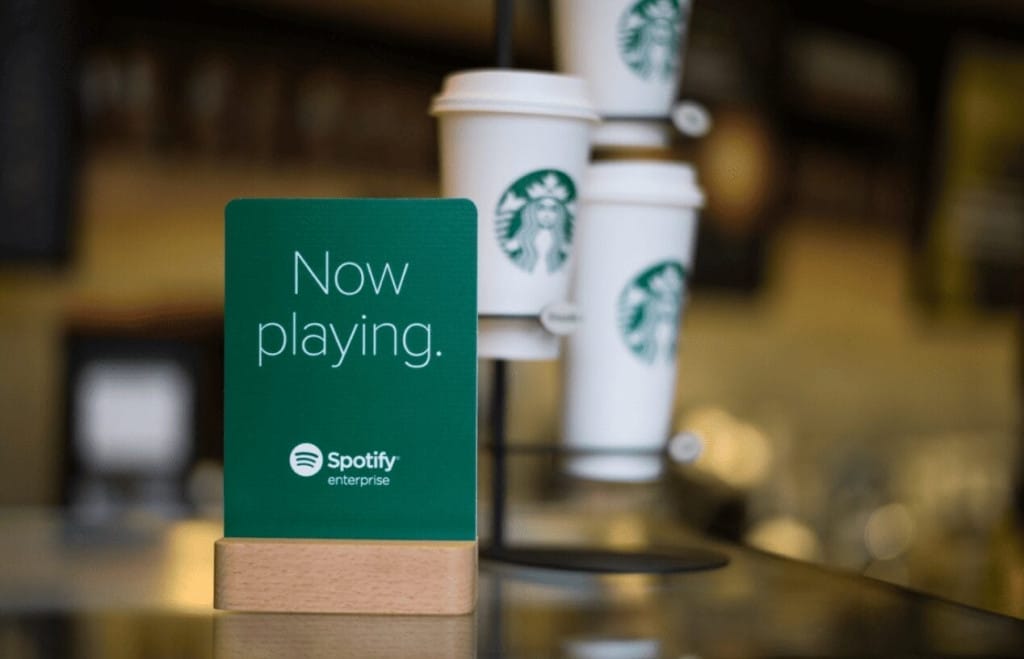
A great example of a user-friendly partnership is Uber and Spotify. Uber integrated Spotify into its system so drivers could control the music during rides. While riders wait for their car, they get a playlist suggestion. Spotify grew thanks to many partnerships, including with Xbox, Tinder, Genius, and Starbucks.
Thursday Boot Company works with Cobbler’s Choice, a leather care brand. You can find Cobbler’s products on the shoe brand’s website.

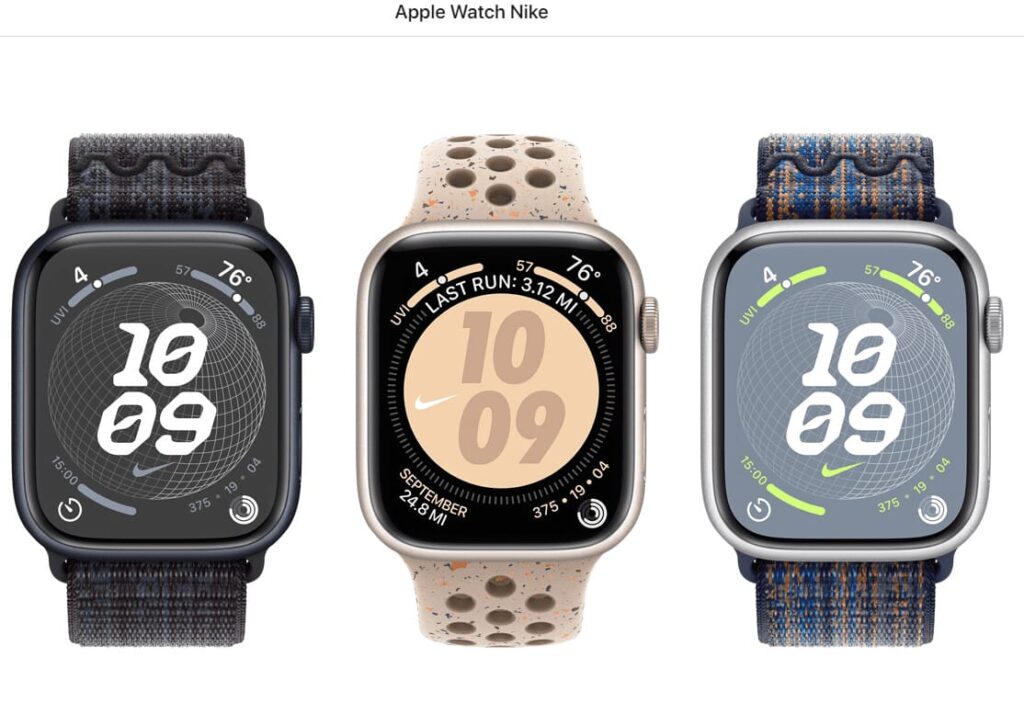
Nike and Apple have a well-defined shared audience. They created the Apple Watch Nike together. The watch, with the Nike Run Club app, is marketed as perfect for runners and sold on both Apple’s and Nike’s websites.
Conclusions
Cross-marketing is an effective way to grow your audience and boost brand recognition. It’s based on mutual promotion and benefits both partners. This strategy helps brands reach new markets and cut marketing costs.
Online cross-marketing offers lots of collaboration options. Webinars, email campaigns, guest posts, and more help expand reach, raise brand awareness, and increase sales.
Some brands co-create new products, which helps build trust and drive revenue.
To launch a successful cross-marketing campaign, create a strategy. Define your business goals and target audience, choose partners that meet your criteria, and prepare custom proposals that will interest them. List all terms in a contract, and use your strengths to make sure both you and your partner achieve your goals.
Frequently asked questions
It’s a strategy where two or more companies team up to promote each other’s products or services—or launch a new product together.
One modern example is Warner Bros.’s “pink movement” to promote the Barbie movie. Over 100 brands—including Crocs, Xbox, Disney Channel, and Cartoon Network—helped with the campaign.
Define your business goals, analyze your audience, find potential partners, and sign agreements with them.
This is a strategy where products or services from different categories are grouped together to encourage customers to buy more.
-
Tags
