

DEMARKETING: WHAT IS THIS STRATEGY?
-
Post author

-


Demarketing is a strategic marketing method aimed at reducing demand for a specific product.
In other words, it’s reverse marketing. Well-known brands use demarketing to help solve global issues like resource shortages, environmental pollution, overconsumption of unhealthy food, and the spread of harmful habits.
The most common demarketing methods include raising prices, selective advertising, and legal actions such as increasing taxes on strong alcoholic drinks.
It’s important to note that demarketing—unlike countermarketing—is not meant to completely destroy demand. It’s often a temporary measure that helps improve long-term promotion of a product or brand.
What Is This About?
What is demarketing and where is it used?
The term “demarketing” first appeared in the article “Demarketing, Yes, Demarketing” by Philip Kotler and Sidney Levy, published in 1971 in the Harvard Business Review. The authors described three types of demarketing—general, selective, and ostensible.
General demarketing is used to reduce total sales when demand exceeds the company’s capacity. For example, a manufacturer may lack the resources to produce and deliver products.
Selective demarketing targets specific groups of customers—based on income, age, or other traits—to reduce demand in that group.
Ostensible demarketing creates fake scarcity, making a product seem rare and exclusive. Many brands and retailers use external circumstances to boost sales this way.
Demand spikes for essentials and long-lasting goods often happen at the start of wars, during inflation, or during epidemics. For example, during the COVID-19 lockdown, people rushed to buy food, medicine, hygiene products, and other goods that were hard or expensive to get online.
Ostensible demarketing is also common before holidays and weekends. Sometimes, artificial scarcity is created in the currency or exchange markets by encouraging people to stock up on certain currencies expected to increase in value.
In another article from 1973 in the Journal of Marketing, Philip Kotler talked about “current demand level” and “desired demand level.” According to his theory, demand can be low, appropriate, or too high—and demarketing should be used when demand is excessive, offering alternatives to certain products or services.
“Traditional marketing, which aims to expand the customer base and increase demand, uses the 4 Ps—product, price, place/distribution, and promotion.
Demarketing flips this logic to reduce the customer base and demand.
Instead of boosting availability, demarketing limits it.
It highlights alternatives and the drawbacks of a product or service to make it less attractive.”—“Demarketing,” Wikipedia
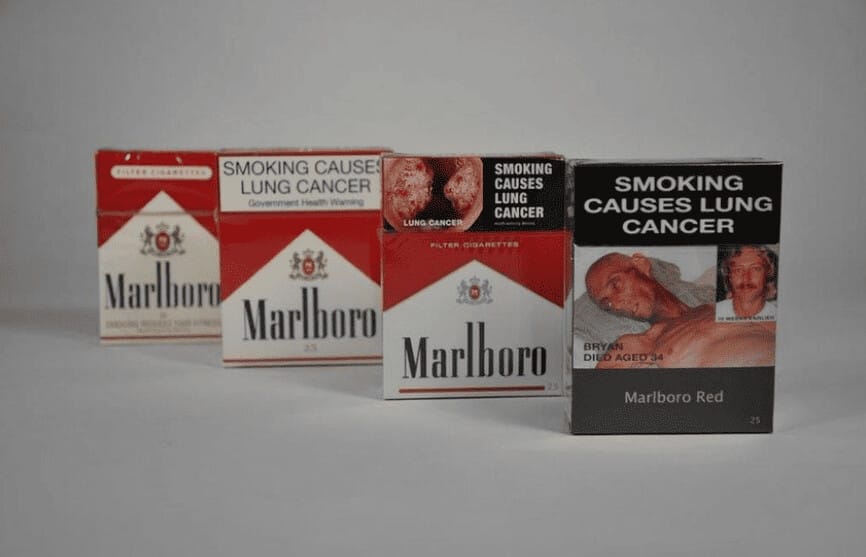
Companies in industries like tobacco often use demarketing. Examples include warning labels about health risks, fewer ad placements, higher prices, and promotion of nicotine patches, gum, or lozenges—like those from Nicorette.

Marlboro also used demarketing in an anti-smoking campaign by funding programs to fight tobacco use.
Some fast-food chains shift focus to healthier items—offering sugar-free drinks or promoting diet menus. By encouraging customers to choose items with less fat or fewer preservatives, they help fight problems like obesity and diabetes. Usually, less healthy options stay available, but buyers get more choices.
In 2004, McDonald’s stopped advertising its most high-calorie burgers and fries after public backlash over obesity. Instead, they promoted salads, sugar-free drinks, and healthier menu items.

Coca-Cola has warned about the high sugar content in its drinks in some ads. But this tactic doesn’t reduce overall sales—instead, it boosts demand for the company’s diet alternatives.
Some automakers use demarketing to cut demand for gas-powered cars. This helps promote eco-conscious branding and encourages trade-ins for fuel-efficient or electric vehicles—reducing harmful emissions.
In some cases, automakers limit car availability on purpose to increase brand interest. For example, in 1997, BMW cut supply in the UK to attract more potential buyers. This created a feeling of urgency to grab a rare product.
The alcohol industry is closely tied to demarketing since overdrinking and underage drinking go against social norms. Demarketing actions here include public education about the health risks of alcohol.
In many countries, laws ban alcohol sales at certain hours or to people under a specific age. Budweiser used demarketing by lowering alcohol content in some drinks or stopping their supply.
The pharmaceutical industry also applies demarketing to prevent medicine abuse. Methods include limited advertising and strict distribution to specific consumer groups. Johnson & Johnson, for instance, has pulled products from the market due to serious side effects.
Gambling access is another legal focus. Bans on ads in certain places (like Google Ads) and counter-campaigns help fight gambling addiction.
Sometimes, demarketing is ongoing but only for certain goods or services. You’ll see this in digital services or telecom—where long-term plans or subscriptions are more attractive than one-time purchases. This also applies to gyms or online courses, where a full membership or complete learning path is better than individual visits or lessons.
In fashion, demarketing is rarer, but it helps brands improve reputation and shift positioning. For example, some campaigns promote mindful shopping or eco-friendly materials that can be recycled.
📌 Read the article: What Is Digital Marketing: Types and Examples
Why Reduce Demand?
There are different kinds of reverse marketing:
- Price-based demarketing
- Targeting specific market segments (selective demarketing)
- Legal demarketing
- Resource-based demarketing
- Seasonal demarketing

At first glance, demarketing seems to go against business logic—lower demand usually means lower profits. But that’s not always the case. Sometimes, demarketing helps brands survive internal or external crises and remain profitable long-term.
Benefits of Demarketing
Resource conservation and environmental awareness
Demarketing cuts resource use and lowers environmental harm linked to production, usage, or waste. Even when the harm isn’t obvious, it may still exist. Demarketing prevents overuse of items like tobacco, gas-powered cars, single-use plastics, and overconsumption in general.
here’s a concept called green demarketing—where companies ask customers to buy less, helping the planet while still promoting their brand. A good example is Patagonia’s 2011 campaign “Don’t Buy This Jacket.”
Patagonia explained: “As a company, we decided to take on consumerism responsibly.
The hardest and most important part of the Common Threads initiative is this:
To reduce environmental impact, everyone must consume less. Businesses should make fewer but better products. Customers should think twice before buying.”
.

Social responsibility
Demarketing encourages consumers to act responsibly. Brands discourage buying products that may harm public health—like alcohol—and avoid using harmful or unfair messaging in advertising.
This builds ethical business values, encourages healthy consumer habits, and strengthens social responsibility. It also boosts a company’s reputation and its positive role in society.
📌Read the article: Direct Marketing: What Is This Method About?
Legal compliance
Business owners must follow local laws—and also prepare for legal changes. These may affect privacy rules, copyright laws, or social media access. Marketers need to plan ahead and adapt brand promotion strategies to changing laws and politics.
Pay close attention to regulations tied to health, the environment, and more—these can either hurt business or open new opportunities through demarketing.
Market segmentation
Companies often target specific audience segments while limiting access for others. In such cases, demarketing helps control demand only where needed.
Demarketing Strategies
Here are the main demand-reduction strategies used in demarketing:
- Price increases—used when consumption is too high or resources are running out.
- Selective advertising—often involves ads showing negative effects of products on health, nature, or society.
- Legal restrictions—governments may ban product promotion, limit underage sales, or stop certain businesses from opening in specific areas.
- Product changes—smaller portions or design changes to make the product less appealing.
- Educational campaigns—special programs to change how consumers view products or services.
- Promoting substitutes—brands offer healthier or less expensive options.
- Cutting ad spending—a basic move that lets market competition reduce demand.
- Lower retailer markups—making deals less attractive for bulk buyers or dealers.
- Inventory limits—creating artificial shortages where customers must pre-pay to reserve items.
- Bait-and-switch tactics—an illegal method where a great product is advertised at a very low price, but customers get offered something worse.
One example is in real estate—where an agency posts a fake low-price listing to attract calls, then offers more expensive, less appealing options instead.
Conclusions
Demarketing is a marketing tool that lowers product demand to meet business goals. Its effects aren’t instant. Often, demarketing aims to balance profits with social or environmental concerns.
Reasons for demarketing include limited resources, high delivery costs, environmental concerns, or legal limits in certain regions or among specific customer groups.
Demarketing is most common in industries like tobacco, alcohol, food, pharmaceuticals, cars, and fashion. These programs aim to increase future profits by strategically reducing short-term losses and costs.
Frequently Asked Questions
Demarketing is “reverse” marketing that aims to artificially reduce demand for a product.
One example is Marlboro funding anti-smoking programs.
Common reasons include demand exceeding supply, attracting customers with scarcity, promoting sustainability, or following laws for specific regions or groups.
It works as a short-term strategy—used in seasonal business or for limited audiences. Methods include raising prices, limiting ads, warning about risks, and legal actions.
Remarketing brings visitors back to a site with targeted ads.
Demarketing reduces demand for a product or service using strategic marketing.
-
Tags
