


WHAT ARE HIGH-MARGIN PRODUCTS?
-
Post author

-


High-margin products are items that bring in net profit. These are products where you earn more money than you spend on purchasing and promoting them. Costs for materials or software, e-commerce platforms, product manufacturing, shipping, packaging, and marketing reduce the average profit for most retailers. To avoid running a business at a loss, minimize production costs without sacrificing quality. Products or services must be in demand and stand out from the competition.
What is this About?
- What is margin and how do you calculate it?
- Which products are high-margin?
- Top 16 high-margin products
- Cosmetics
- Plants
- Premium alcohol
- High-quality tea and coffee
- Jewelry
- Handmade products
- Holiday items
- Sunglasses
- Pet products
- Printer and computer accessories
- Gamer products
- Home office supplies
- Sports equipment
- Sweets and snacks
- Smartphone accessories
- Home products, especially for the kitchen
- Children’s clothing and footwear
- Top 16 high-margin products
- Conclusions
What is Margin and How do You Calculate it?
If your revenue equals your costs, your profit is zero. But if you make more from selling a product or service than you spend to make or buy it, then you likely have chosen a high-margin product.
“Margin—in general business terms—is the difference between the price and the cost (similar to profit). It can be expressed in absolute numbers (for example, dollars) or as a percentage, as the ratio of the difference between price and cost to the price (unlike markup, which is calculated as the same difference but relative to the cost).”—Wikipedia
What’s Included in the Cost?
- The price of goods if you buy them from a wholesaler.
- Taxes, and licenses if needed.
- Marketing and advertising expenses.
- Employee wages—for example, customer service managers.
- Rent for storage or retail space, and utilities.
- Equipment, software.
- E-commerce platform, domain name, and website hosting.
- Production and raw material costs.
- Shipping and packaging.
The list can go on because everything depends on the industry and business specifics. Even in the service sector and digital products, there are production costs—like training employees, improving expert skills, and subscription fees for using online platforms and mobile apps.
The formula for calculating margin looks like this:
Margin (%) = (price – cost) / price × 100%
For example, you offer manicure services. The service costs $120, and the material cost per client is about $20 (this is the cost).
Margin (%) = ($120 – $20) / $120 × 100% = 83%
Margin and markup are not the same thing. Markup is the amount by which the selling price is higher than the cost. Margin shows the profit portion. The seller sets the markup. When setting markup, consider product demand for the season and location, average market price, competition, and other factors.
Interestingly, markup can be over 100%. Think about how much you paid for gift flowers, maybe a custom card or exclusive sweets. Some products do cost more than similar ones. But we don’t notice it if the seller communicates the value of the product or service well.
Marketers influence customer emotions by choosing the right ad stories, words, and visuals. And we stop noticing that newer iPhone models aren’t very different from each other.
Now let’s compare the terms margin and profit. Both are related to financial results, but they show different sides of how well a business is doing.
Margin shows the profitability of a single product or service, a subscription, or a deal. Knowing this number helps us objectively evaluate the company’s pricing, change strategy if needed, or find profitable directions and stop promoting unprofitable ones.
“Rate of return—an economic term that shows the percentage ratio of profit over a period to the capital invested before the period started…
Rate of return (profitability) shows how profitable a business is.”—Wikipedia
Profit is a more general number that shows the company’s overall results over time. Margin stays constant, while profit is measured monthly or yearly. To calculate profit, subtract all expenses from total revenue.
For example, if you bought perfume for $100 and sold it for $150, the cost is $100.
The sale price (your revenue) is $150.
Profit = $150 – $100 = $50
The profit percentage in this simple case is 100% because $50 / $50 = 1.
Profit margin = ($150 – $100) / $150 × 100% = 33%
If your revenue equals your cost, your profit margin is 0%. Anything higher means a return on investment. In this example, the return is 0.3 times the investment, which gives a 33% profit.
Watch your competitors to figure out the acceptable markup for your products or services. To monitor prices on Amazon, you can use tools like SaleHoo or CamelCamelCamel.
Do your own research online. If market prices are higher than yours but customers still think it’s expensive, don’t rush to increase prices. Try other ways—like negotiating lower prices with suppliers, optimizing your ad campaigns, or moving to a smaller space. If you try to raise profitability by lowering product quality or cutting corners, your audience will notice. So instead of risking your brand’s reputation, focus on other ways to improve business profitability.
Ways to Increase Business Profitability
- Personalized messages and individual offers that make your product more attractive to buyers.
- Creating high-quality product images, videos, and detailed descriptions for your website and social media.
- Storytelling adds authenticity to your business. Show behind-the-scenes views of your store and share your story—including your failures—with your audience.
- Create pricing plans, bundles, and extra service packages. Meet the needs of different customer segments by using price segmentation.
If you still decide to raise prices, give customers advance notice. It may be a good idea to keep current prices temporarily for your loyal customers.
📌Read the article: Unit Economics—How to Measure Business Success
Which Products are High-Margin?
High margin is a relative term, but it usually means 50% to 60%. High-margin products and services share common features:
- A unique selling proposition. On your website, social media, and in all your marketing and ad materials, explain why people should buy this product and buy it from your store. For services, explain what makes you different from your competitors.
- Low production cost. Make sure this doesn’t affect quality. Build your brand’s reputation in advance—it’s easier to avoid bad reviews than to fix mistakes and apologize when negative comments already appear online.
- Strong demand. Make sure your product is already popular or has the potential to become popular by solving unmet needs of your target audience.
To analyze customer demand, Google Trends is a good tool. Set it up to show top products and topics over the past few months. Use these ideas and adapt them to your audience segments and your region.
Google Trends helps compare competing brands or specific products.
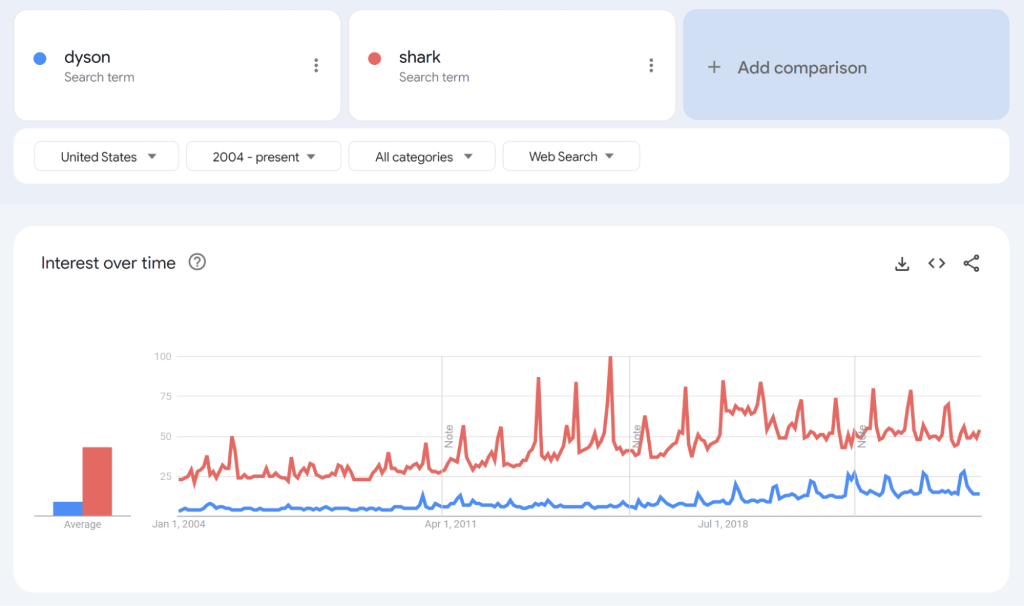
Enter two or more queries, and you’ll see how consumer interest changed over the year or another period.

Check similar search terms by subregion or city—see which ones are most popular and which are just starting to grow.
Tools like SimilarWeb and SemRush offer valuable insights about your competitors.
Competitor monitoring is key when trying to increase product margins. Sign up for their newsletters and follow updates on their websites. This kind of analysis helps you see what’s currently relevant for your audience. To predict trends, use Pinterest Predicts. This platform tracks search queries and releases an annual report about future trends.

Having a general understanding of trendy colors, styles, and topics is helpful for any business. Update your social media and ad creatives to match your audience. Trend knowledge might help you improve or even completely change your product—and boost your business margins.
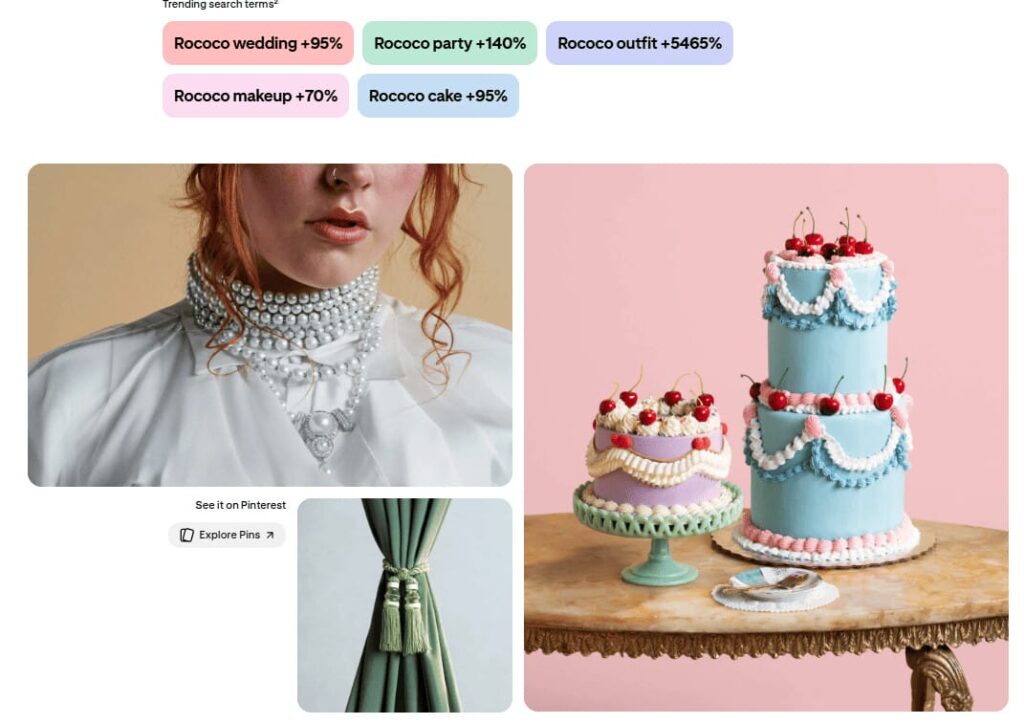
This not only gives you a better idea of what your target audience cares about but can also give clues about the average selling price of products similar to yours. It can also help identify gaps in the market.
Social media and marketplaces can help you discover profitable products. Look at the number of reviews and product ratings. Expert reports show where the market is headed, especially if you’re still choosing your niche.
📌Read the article: Price Discrimination—Types and Meaning of the Concept.
Top 16 High-Margin Products
Let’s look at the most profitable product categories in 2025.
Cosmetics
According to statista.com, revenue in the cosmetics market will reach $571 billion in 2025. These products can be marketed to a wide range of customers, and many of them are non-returnable once opened. The average profit margin for cosmetics is around 55%, and it can go up to 80% or more for well-known brands.

Statista predicts that skincare will remain the top segment in the U.S., generating about $218 billion by 2029.
Plants
Flowers and potted plants are sold year-round. Around holidays like Valentine’s Day, the markup on flowers can reach 200–300%! Even if you offer lower-than-average prices, you can still earn strong and stable revenue.
Gross margin depends on several factors:
- Seasonality (prices spike on Valentine’s Day, Mother’s Day, and similar holidays);
- Cost of flowers and materials (ribbons, packaging);
- Operating expenses like labor, rent, and utilities.
Gross profit for flower shops changes a lot around holidays, but there are always buyers. You can succeed by creating a unique atmosphere in your shop. Hosting workshops, training staff, adding exotic decorations, and creating a special concept (like only offering high-end minimalist designs) can help you stand out in the local market.
Premium Alcohol
Alcohol from well-known brands also has a high profit margin. People buy it for holidays or as gifts and are usually not concerned about the price. However, a special license is required, which adds extra costs. Craft beer and aged wine are often made in small batches and sold with high markups.
Premium Tea and Coffee
Unlike alcohol, you can sell tea and coffee without a license and still make good profits, especially when sold in attractive packaging as a gift.
Jewelry
Like flowers, jewelry is popular year-round. Demand peaks before major holidays. To boost margins, increase the product’s perceived value by offering services like engraving or restoring old pieces.
Jewelry stores like Tiffany & Co. enjoy margins of over 80%. Brand reputation, positioning, and a unique concept help consumers accept higher prices. Trends, storytelling, influencer marketing, and brand history also play a key role. For example: “With love since 1837, inspired by a 1962 design and the energy of New York City, Tiffany’s HardWear collection shows the power of love to transform.”

The brand justifies its high prices by offering limited-edition products—like 25 watches inspired by the iconic Tiffany Bird on a Rock brooch by Jean Schlumberger.

Handmade Products
Handmade goods usually have high profit margins, unless they require too many resources to make. This includes toys, bags, lingerie, clothes, furniture, etc. These products are exclusive and often one-of-a-kind or made in limited runs, allowing markups of over 100%.
Party Supplies
Some party supplies change by season, while others are always in demand. Popular items include cake toppers, candles, balloons, and greeting cards. These items are cheap to produce but can be very profitable. Customers often return to buy more, which gives them a good LTV (lifetime value).
Sunglasses
Sunglasses have high markups, mainly due to branding. They’re seasonal, and brands often offer discounts during fall and winter (like Black Friday).
Pet Products
These are emotional purchases. Pet owners love their animals and are willing to spend. Beds, toys, accessories, and clothes for dogs and cats are not essential items, but people buy them often and don’t always care about the price.
Printer and Computer Accessories
These products are bought for both home and office use. Large companies often care about brand reputation, quality, and warranties. It’s important to highlight the product’s features and show its value, like through video reviews.
Gaming Products
People of all ages enjoy video games. Profit margins are boosted by emotional connections—gamers like to buy things tied to their favorite characters. Comfort and gaming quality are key. Think expensive gaming chairs, high-quality headphones, and colorful backlit keyboards. Lighting and ergonomic design add extra value.
Home Office Supplies
People want comfortable and organized workspaces at home. Office supplies are often made from cheap materials but sold with high markups. They run out quickly, encouraging repeat purchases..
Fitness Equipment
With the trend toward healthy living, people are buying dumbbells, yoga mats, and exercise balls. Accessories have even higher markups—like stylish water bottles bought for both looks and function.
Sweets and Snacks
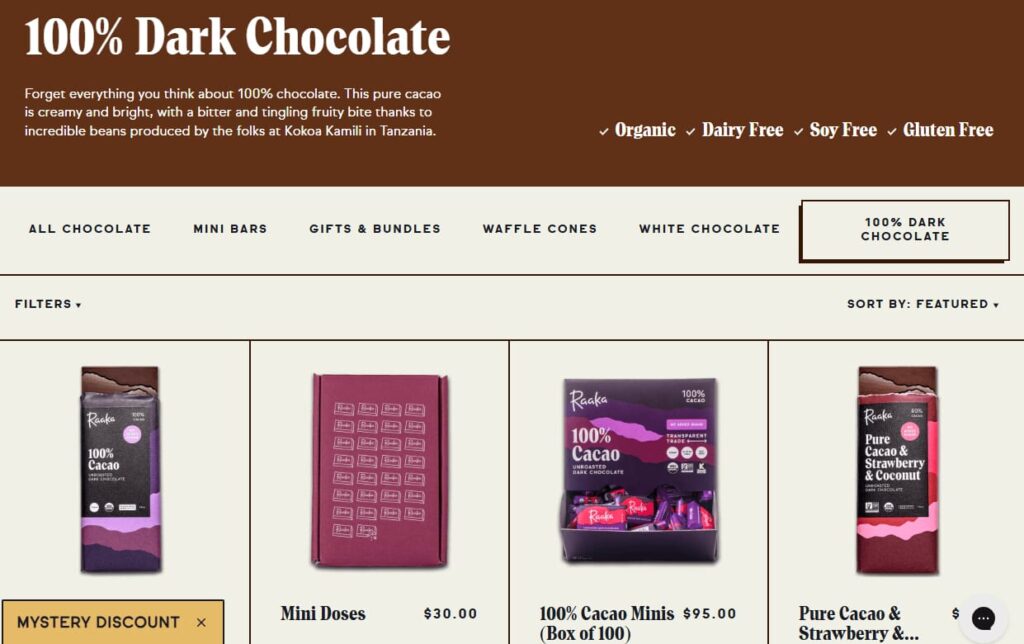
Think about popcorn at the movies—it can cost more than the ticket, and no one complains. It’s the same with snacks at airports. Premium sweets like fancy chocolate sell fast before holidays. These are emotional buys and very profitable.
Smartphone Accessories
There’s always demand for phone cases and good-quality headphones. You can bundle these items and use cross-selling. There are many product options and suppliers. It’s important to follow which phone models are selling well in your area.
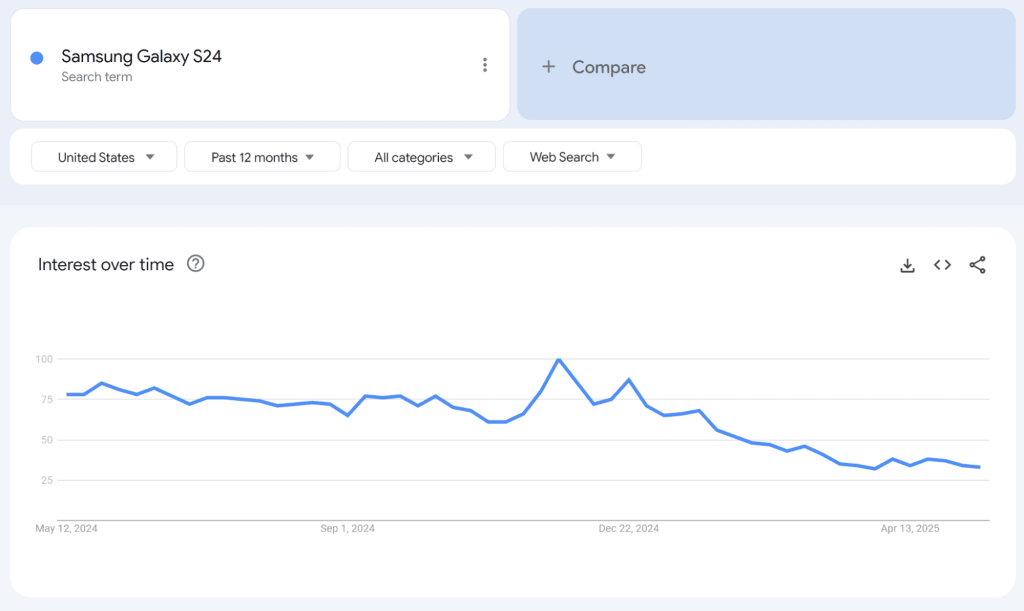
Look at related topics and similar search trends.

Home Goods, Especially Kitchen Items
Remember when you went to a dollar store for napkins and left with two full bags? Small home items are emotional purchases. They cost little to make, but their design and novelty attract buyers. These products often make life easier, which adds to their value and margin.
Children’s Clothing and Shoes
Kids’ clothes have higher markups than adult clothes, and they require less fabric. Plus, children outgrow them quickly, so they’re bought more often. Markups can hit 300–400%, and with the right marketing, profit margins can reach 60–80%.
On the other hand, low-margin categories include hygiene products and household cleaners. Margins are under 15%, and customers always look for deals. Even small price increases can drive them away. To succeed in these categories, focus on attracting more customers through promotions and discounts to drive demand.
Conclusion
Even if the products you choose are not high-margin, you can still earn a stable and strong profit. To do this, create different price segments and combine high-end and budget products.
Remember, high-margin products usually sell more slowly. However, each sale and each deal has a bigger impact on your final financial results.
When possible, choose high-margin products so you can not only cover all your expenses but also make a strong profit. This gives you the opportunity to reinvest in expanding your product range, enter new markets, and grow your business.
-
Tags
