

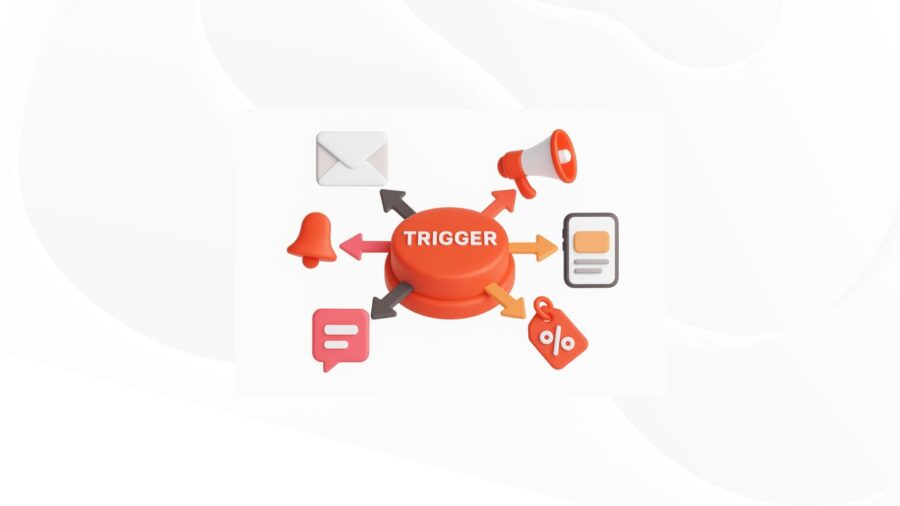
IS A MARKETING TRIGGER?
-
Post author

-


A trigger in marketing is something that motivates a consumer to take action—like clicking a link, making a purchase, or subscribing to a newsletter. The word “trigger” comes from English and means “a cause” or “something that sets off a reaction.”
According to research by Blueshift, marketing emails with triggers in the subject line are 497% more effective than regular bulk emails, and push notifications with triggers perform 1490% better than generic ones.
What’s This About?
- Meaning and Types of Marketing Triggers
- Behavior-Based Triggers
- Engagement-Based Triggers
- Final Thoughts
Meaning and Types of Marketing Triggers
In psychology, a trigger is something that causes a person to relive a negative emotional experience. But in marketing, a trigger has a more positive meaning. Simply put, it’s a brand-to-customer interaction element that causes an immediate reaction or decision.
Trigger-based marketing is an advertising technique that uses targeted messages or alerts meant for a specific person or group based on user behavior, events, news, and more. It allows brands to customize ads more accurately and make them more relevant.
“By sending personalized and timely messages, you can make your customer feel special. This leads to better communication and stronger relationships. Unlike mass advertising, trigger marketing is focused on customer needs and adapts messages and tasks. Seamless customer service helps improve satisfaction and brand loyalty.”—Trigger Marketing, SendPulse
Triggers in marketing are based on events. These can include a user spending time on a webpage, downloading an app, or enabling a paid feature. Sometimes, events also mean holidays, movie releases, or business expos. Event triggers let marketers create messages tailored to a specific moment and send them when they matter most.
Triggers are grouped into four categories:
- Behavior-based;
- Engagement-based;
- Event-based;
- Emotional.
Behavior-Based Triggers
Also called transactional triggers—they’re tied to specific actions, like abandoning a cart, adding items to a wishlist, or completing an order. To use them, you need to track visitor behavior and respond accordingly—remind them about saved items, offer alternatives, add discounts based on ad clicks, etc.
Engagement-Based Triggers
Many brands miss chances to reach new customers through brand ambassadors or referrals. Feedback is valuable—whether it’s social media mentions, reviews, or being featured in top lists or rankings. This trigger type is closely tied to UGC (user-generated content). Viral videos, visuals, or shareable posts also belong here. These triggers boost reach and brand loyalty.
Event-Based Triggers
Big political events often inspire marketers to create funny or smart campaigns. But triggers can also be based on industry news, conferences, interviews, or expert quotes. Holidays, birthdays, or big purchases also count. These are important for both the customer and the business.
📌Read the article: What are conversions
Emotional Triggers
These are the most common and recognizable triggers. They rely on the emotional connection between the brand and the customer. These messages often push people to follow trends or give in to impulse.
Greed
This may sound odd, but brands earn from customers’ desire to save. Announce sales, give out promo codes, sell in bundles or offer subscriptions. Greed boosts average order value through cross-sells and upsells—and extends LTV.
Scarcity or Deadline
Similar to greed but pushes fast action. This is where FOMO kicks in.
“Fear of Missing Out (FOMO) is the fear that you’re missing out on info, experiences, or decisions that could improve your life.”—Fear of missing out, Wikipedia
“Only 2 spots left!” “Buy now with discount!” “Limited stock!”—these phrases create urgency. Even fake scarcity often increases sales.
Value
Not just discounts—this includes cashback, free checklists or samples, gifts, and added bonuses.
Exclusivity
Not just discounts—this includes cashback, free checklists or samples, gifts, and added bonuses.
Authority
People who buy only the latest iPhone or designer brands enjoy showing their status. That’s human nature. This trigger helps market premium services, high-end subscriptions, or first-class tickets.
Love
Love is a “holiday” emotion. It’s used during Valentine’s Day, Mother’s Day, and Christmas. “Self-love” is also trending—and marketers use that too.
Examples of Marketing Triggers
Trigger-based marketing increases your chance of getting a positive reaction. Messages with triggers feel personalized—even if they’re not. You may have seen headlines that hit your exact problem or dream—and those offers follow you across your favorite online spaces. That means the brand is trying hard to stay relevant and spark action.
Timing and platform are just as important as the message itself. Many brands use paid ads or influencers to get it right.
“Every targeted message works best when it has unique value—making the reader feel their time was well spent.”—What Is Trigger Marketing? A Definitive Guide, Indeed
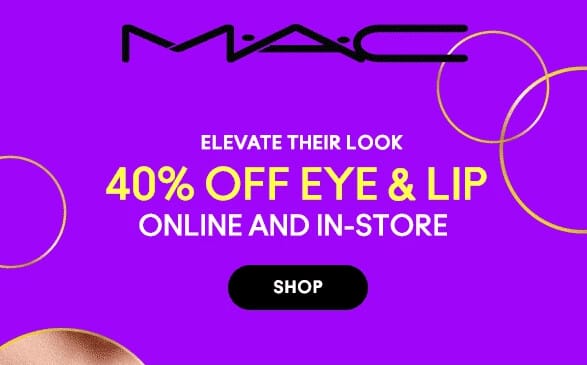
Event trigger —MAC Cosmetics emailed a Cyber Monday deal: 40% off for a few days.
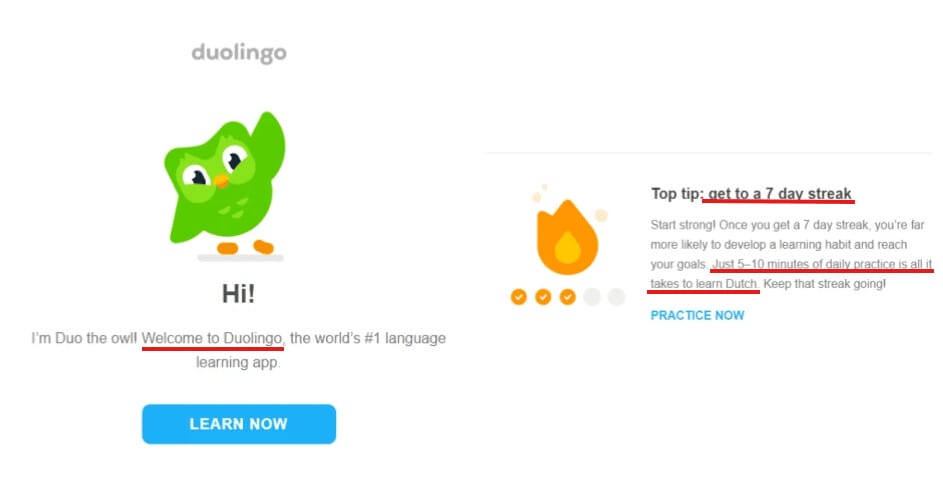
Behavioral trigger—Duolingo welcomes users with a helpful intro message right after sign-up.
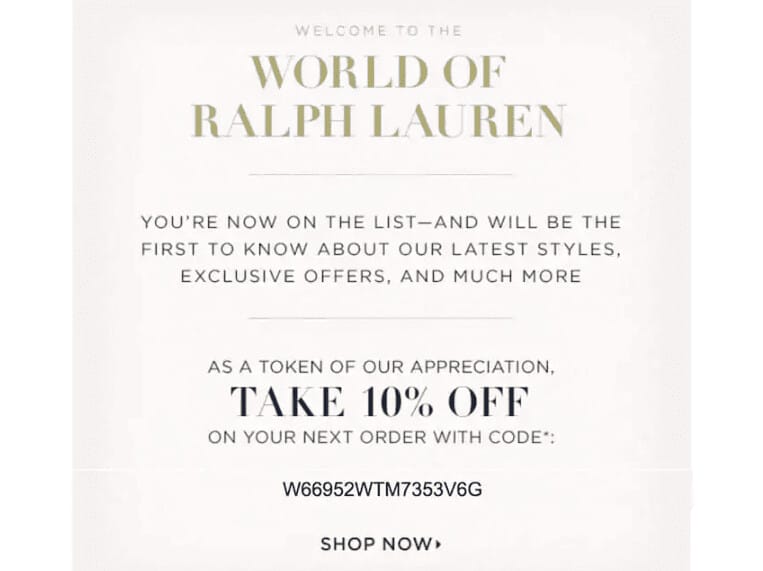
Behavioral trigger—Ralph Lauren sends a welcome email to new users.
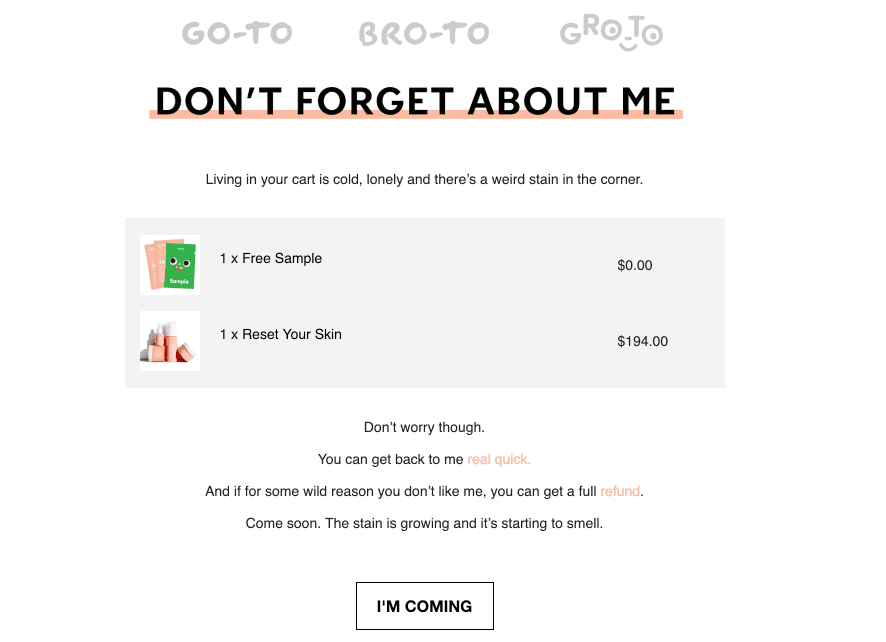
Reactivation trigger—Skincare brand Go-To used humor: “The items you left are cold, lonely, and waiting.”
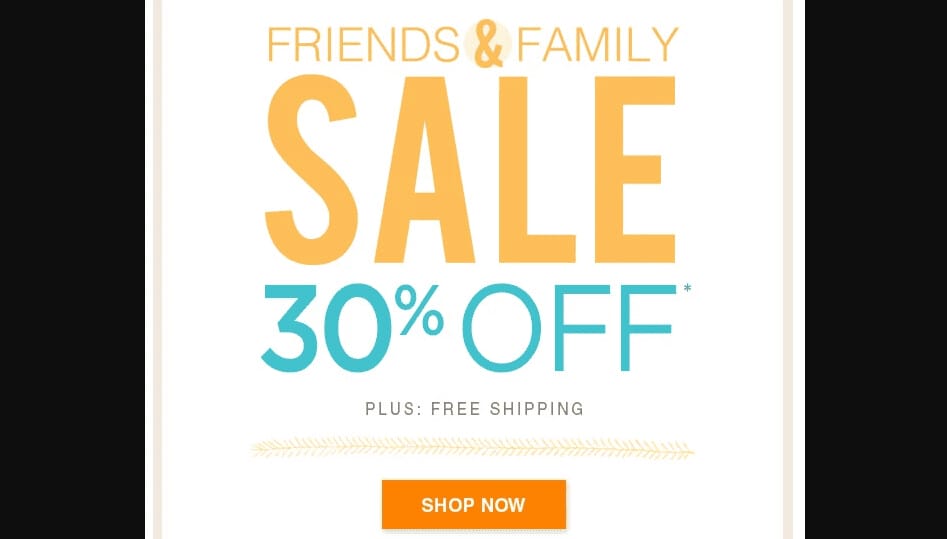
Behavioral trigger—ShoeBuy: “We want you back”—offering 30% off and free shipping.
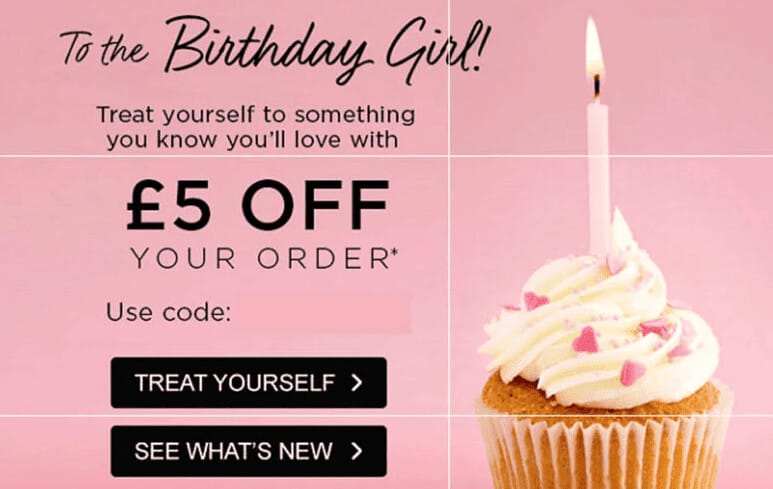
Emotional trigger —Dorothy Perkins sends birthday greetings with a personal promo code.
How to Use Marketing Triggers?
Triggers are any actions or metrics that can be tracked using automation or CRM tools—like purchases, form submissions, email opens, or abandoned carts. On social media, the top triggers are comments, DMs, and shares.
Choose a monitoring tool to track actions and store data. Once set up, your messages will reach people via email, SMS, or chatbots. Triggers move customers down the sales funnel—from discovery to repeat sales.
📌 Read the article: Direct Marketing: What is the Direct Marketing Method?
To run your own trigger campaign, follow these basic steps:
- Research and define key events—For example, do all your customers celebrate Halloween? Build a campaign around that. If not, maybe plan for Easter instead.
- Set up automatic triggers—Use software or hire an agency to handle setup, edits, and reporting.
- Define the trigger and brand action—Like sending a helpful chatbot or email offer.
- Create personalized messages—Mention the event that brought the customer to you. Use their name, if possible, and offer real value.
- Monitor and optimize—Test which triggers and delivery methods work best for each audience segment. Improve the approach with new types of triggers.
Trigger-based marketing increases relevance in both ads and communication. Reminders don’t always feel annoying—so don’t hesitate to reach out. You may help someone who forgot their order or lost a link. FAQ content is great for users confused about a complex product.
It also reduces the chance of being marked as spam. You’ll save time and money—and boost brand awareness by using triggers across every platform your business uses.
Conclusions
Triggers are based on reactions—pleasant or not. They include relatable jokes, trending visuals, catchy wording, and videos that stir emotion or memory. Greed, scarcity, value, exclusivity, and authority.
Thanks to triggers, subscribers, users, and site visitors receive messages that actually matter to them. Marketers provide real value when they use these “pulling levers” professionally and respectfully.
FAQ
Triggers are psychological techniques brands use to influence people. They help make marketing more personal—motivating each person to take action.
There are four types: behavior-based, engagement-based, event-based, and emotional.
Triggers help you deliver relevant offers and valuable info. They let you focus on what your audience really wants—improving your content and increasing profits.
-
Tags
