

HOW TO ATTRACT CUSTOMERS TO A COFFEE STORE?
-
Post author

-


Cappuccino with crema, cold brew, and even nitro coffee that tastes like Guinness beer—the number of coffee drinks keeps growing, and the quality expectations for beans are rising. If you’re promoting a coffee shop, you need to stay on trend, follow standards, and clearly differentiate your products. Building a recognizable brand, having an interactive mobile website, and using multichannel marketing—all of these combined with successful collaborations—will help you reach the top in this competitive industry.
What’s This About?
- Building a recognizable brand
- Online customer acquisition methods
- Offers, loyalty programs, and collaborations in the coffee business
- Conclusions
Building a Recognizable Brand
The market for coffee beans and ground coffee is unique. Promotion methods are creative and engaging—just like the target audience. And there are many segments of that audience. Still, many businesses shut down their coffee shops before turning a profit. There are three main reasons:
- High competition and lots of product types. The coffee market is full of different brands. You must clearly define the tastes and price ranges you’re targeting as a manufacturer or seller. You need to think through everything—Arabica and Robusta or 100% Arabica, processing, roasting methods, packaging features, and many other details.
- The emotional factor. Coffee is associated with coziness, comfort, and pleasure. Drinking coffee with friends, a loved one, or alone is a special ritual. Coffee is a lifestyle, so the company’s concept matters a lot. A clear mission and a compelling brand story increase customer loyalty.
- Fast-changing trends. There’s a growing demand for organic drinks and specialty coffee. Brewing methods like cold brew and flat white are very popular. But trends can change quickly, and sellers need to adapt fast to new consumer needs.
People who regularly buy coffee may also care about how eco-friendly a business is, and whether the brand supports charity and social events. Eco-certified products are trending.
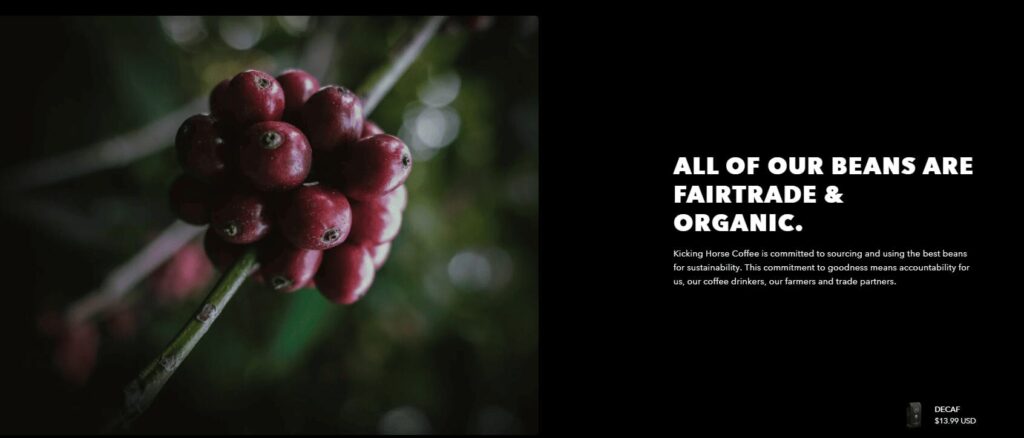
Modern consumers care about packaging recyclability. Global brands like NESCAFÉ use this. On their website, they provide info about eco-friendly jars, cardboard boxes, capsules, and sachets that create minimal waste. Recycling options are clearly explained.

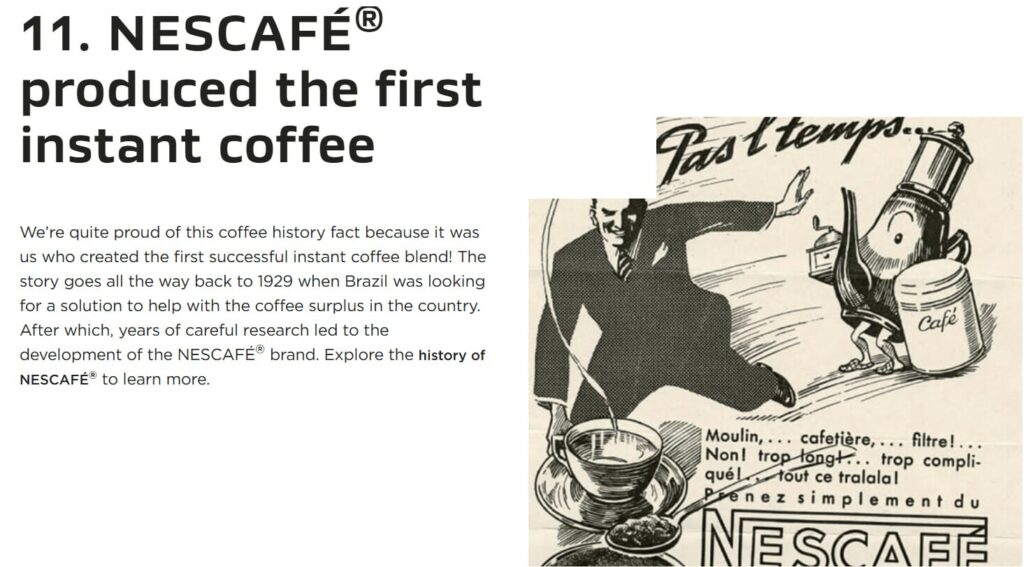
One of NESCAFÉ’s strong points is its positioning as a pioneer. The idea of instant coffee belongs to them. Nestlé created a coffee product at Brazil’s request that was easy to prepare and helped reduce waste from unused coffee crops. That’s how instant coffee under the NESCAFÉ name was launched in Switzerland.
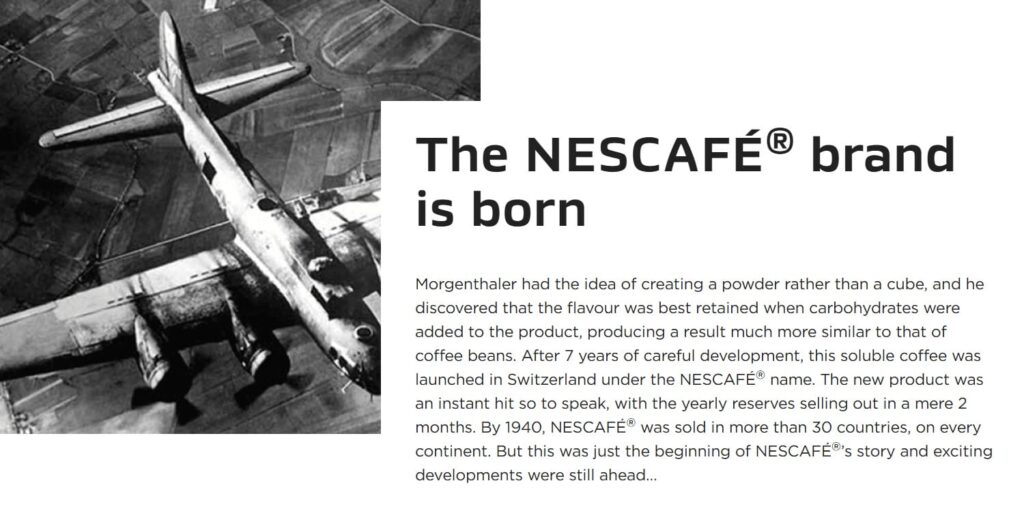
Another thing that grabs customer attention is interesting facts. During World War II, NESCAFÉ instant coffee was included in every U.S. soldier’s ration. Historical background gives the brand a powerful name.
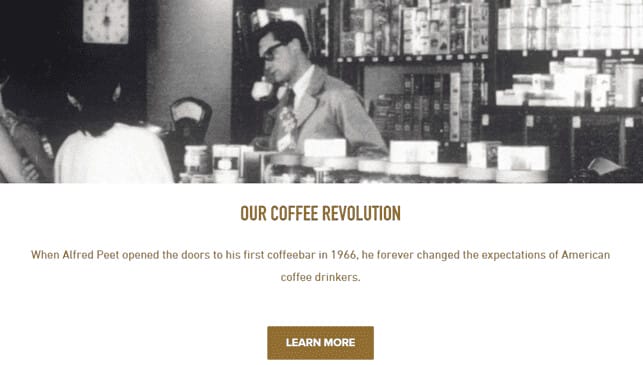
Thanks to stores like Starbucks and Peet’s, coffee has become a big part of consumers’ lives. Fun fact—after the first Starbucks opened, the term “Specialty Coffee” was used for the first time in the 1970s in the Tea and Coffee Trade Journal.
Starbucks uses a premium pricing strategy. It positions its products as high-quality and exclusive. The company targets Millennials and Gen Z. With a deep understanding of its target audience and clear positioning, the products remain popular despite their high price. In fact, the price confirms the value for many customers. The Starbucks Reserve concept highlights premium and specialty coffee. Many exclusive drinks come from unique regions.
📌Read the article: How to write a product review
Online Customer Acquisition Methods
Not every brand can say it helped shape the history of coffee, but any business can show what makes its product special. Talk about your mission and values. Yes, most of your competitors do this too, but let’s face it—they’re just filling space. People want specifics, and coffee lovers are no exception. Write about numbers, technologies, cupping, roasting process, and of course, taste notes and aromas. Details about product benefits should be on your website, where customers can view the selection and place an online order.
A Website That Makes You Crave Coffee
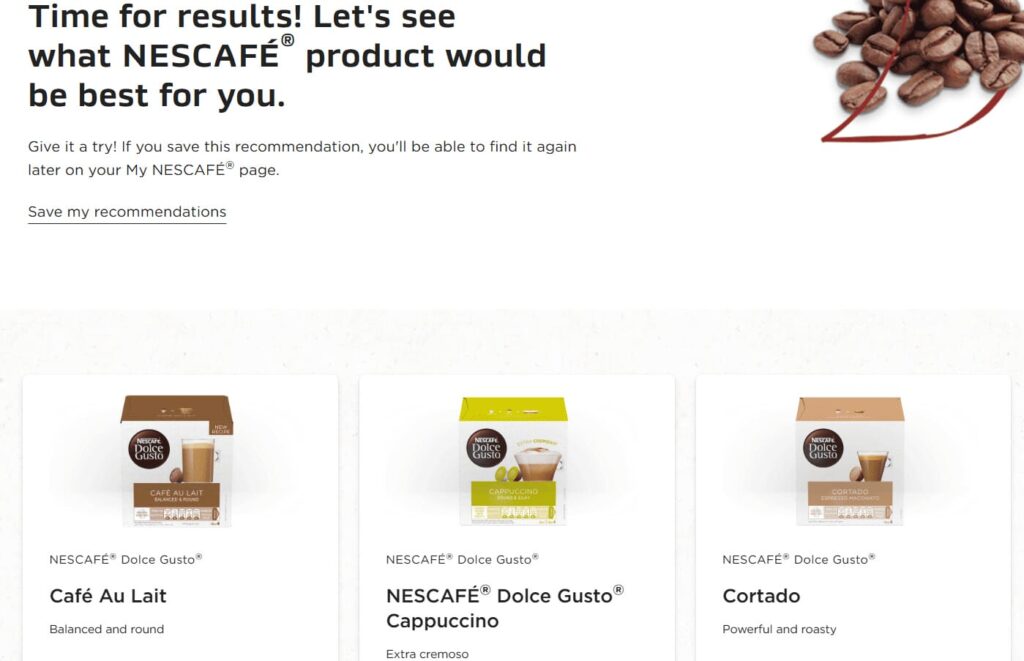
One of the best ways to boost conversions for an online coffee store is a short quiz. Help visitors choose their perfect coffee. You can ask a few visual questions like: “Pick your favorite flavors,” “Which aromas do you prefer?”, “Do you enjoy a hint of acidity?”, “Do you like bitterness in your coffee?”
Once visitors answer, offer them suggestions—just like global brand Nescafe does on its website.
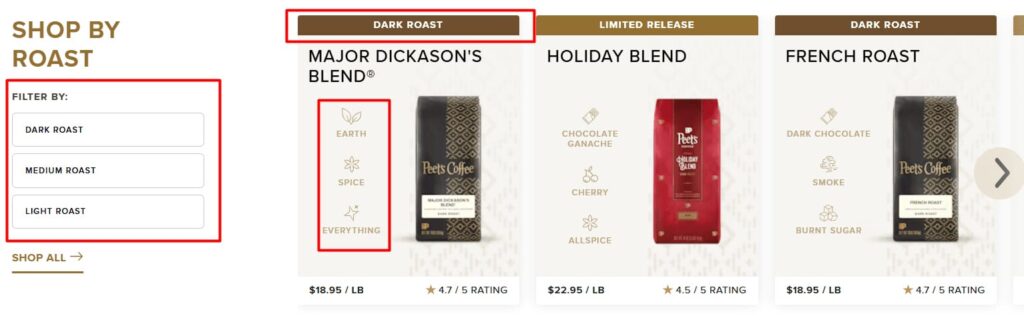
Organize your product catalog by categories. Let users easily find what they want using product recommendations, sorting, and filters.
We’re talking about a market where the most profitable segment is wholesale buyers. So, it’s worth creating a dedicated section on the site that explains how you work with partners and what benefits they get. Add a lead form to request the wholesale price list and highlight special discounts. Case studies, reviews, and partner logos will be a great addition.
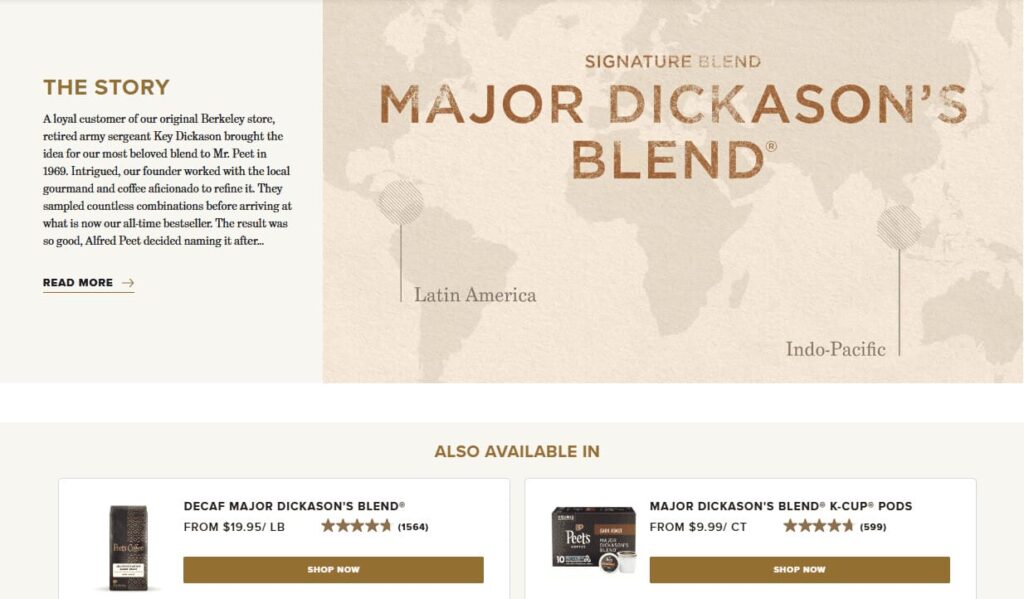
The final step of the customer journey is the product page, where people learn about a specific item and click “Buy.” A good example from Peet’s answers the question “How to present a product on a website?”
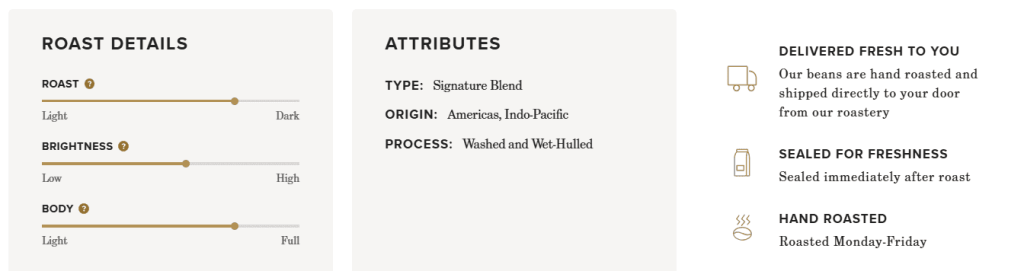
Big, clear photo, price, roast level, flavor profile, grind type—all of this is listed above the product description, and supported by visuals. It clearly shows free shipping available with a subscription.

Then come the roasting details and taste characteristics.
Below that—brand story and product recommendations.
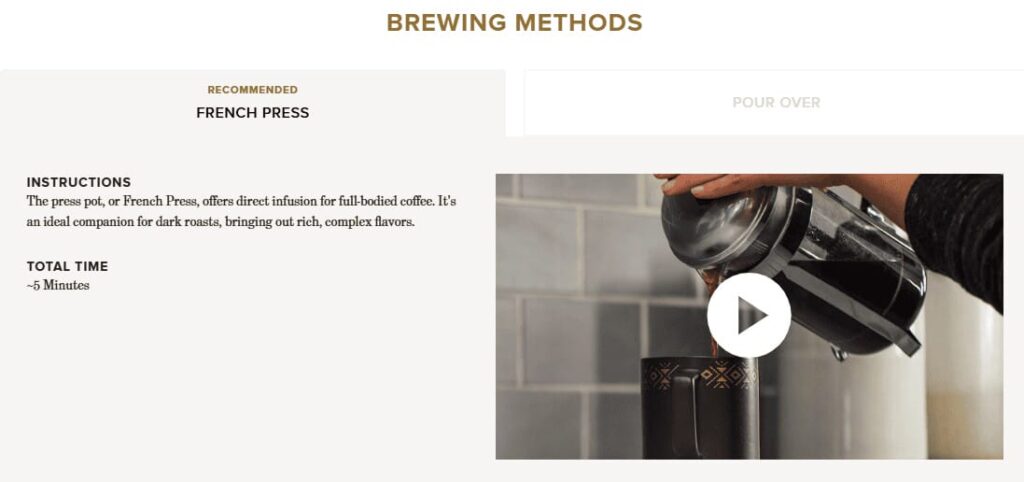
Suggested brewing methods with a video draw people in and keep them on the page longer.
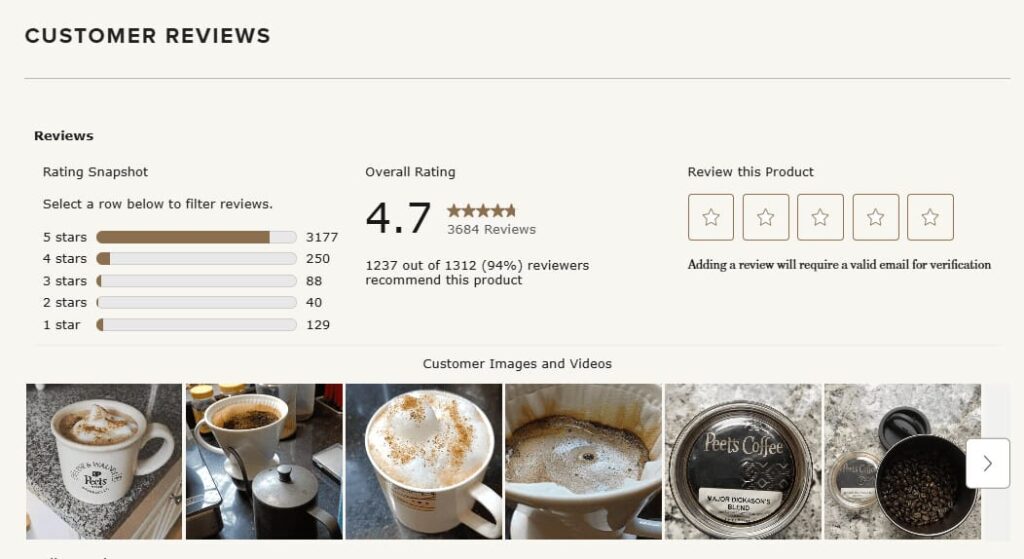
Customer ratings and reviews are strong social proof of quality.
General store benefits are always a good thing. If designed well once, you can reuse this section on any part of the site.

The page ends with an invitation to follow the brand’s Instagram page and an offer to grow your subscriber base.
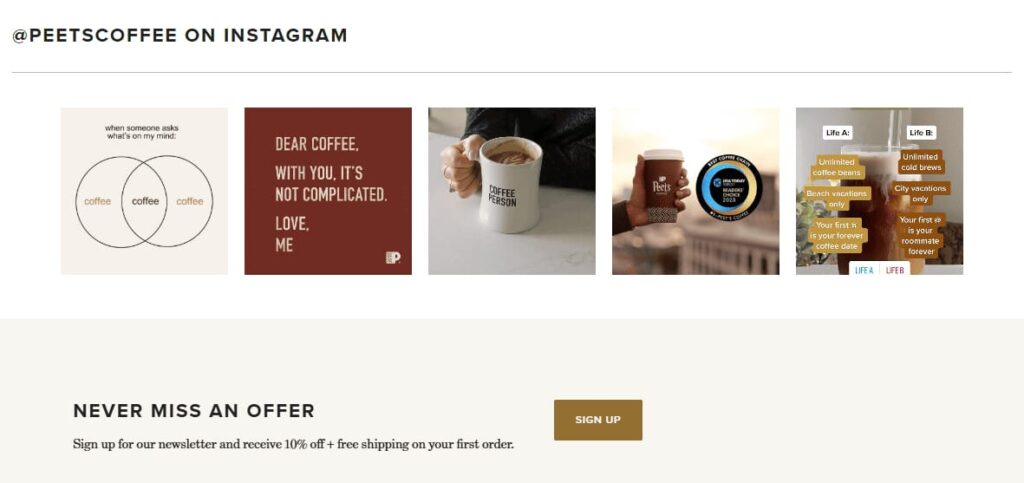
Social Media
Visually appealing coffee content is a key part of the customer acquisition strategy for any coffee business. A morning cup of coffee is a ritual. Coffee enthusiasm is a lifestyle—a kind of personal philosophy. That’s why the content used to sell coffee must look beautiful.
Use short videos. They help social media users stay on your page longer and share posts with friends. On Instagram, content sharing is currently one of the main success factors.
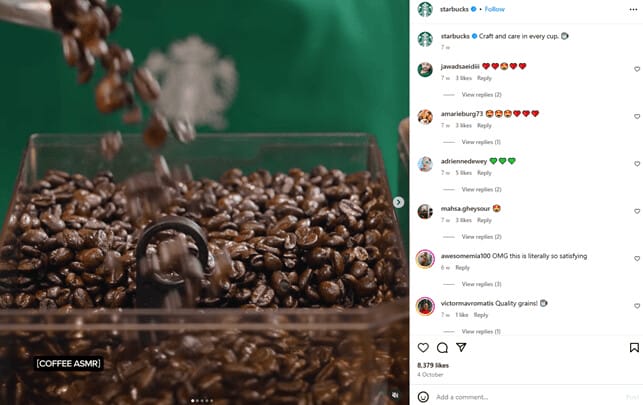
Pay special attention to setting up targeted ads. Clearly define your audience segments—there are always several in this field. For example, a post about coffee brewing methods or wholesale discounts should be shown to coffee shop owners, while posts about gift sets or certificates should target retail shoppers.
In this industry, brand ambassadors and micro-influencers are your allies. Choose bloggers who sometimes post about coffee, show their morning latte in Stories, or are often seen with a coffee cup in hand. Their followers probably see them as people who know good drinks.
UGC (user-generated content) makes your brand feel “closer to the people.” Encourage customers to post reviews with tags, repost their content, and run contests—like the most creative video of making coffee.
“Starbucks also recognizes the power of social media as a customer engagement platform. It actively maintains a strong presence across various social media channels and uses user-generated content to connect with customers. By sharing stories, replying to posts, and running creative campaigns, Starbucks ensures its customers feel involved and inspired by the brand.”
—Starbucks Marketing Strategy, Daniel Pereira, “The Business Model Analyst
Give bloggers clear guidelines, ad examples, and personal discount codes for their followers. Ideally, an ad should look like a story, with the store link and recommendation appearing only at the end of a themed post series, Stories, or Reels. Today’s social media users value natural, native advertising — not pushy or hard-selling.
📌Read the article: How to attract clients to a dental clinic
Content Marketing and SEO
Informational articles help you grow with SEO and increase brand awareness.
What to publish on your blog?
- Articles about coffee types, proper brewing methods, expert tips.
- Educational videos, tutorials, and how-to guides.
- Interesting infographics and fun facts.
Try to create content that explains what makes your product unique—bean varieties, roast levels, flavor profiles.
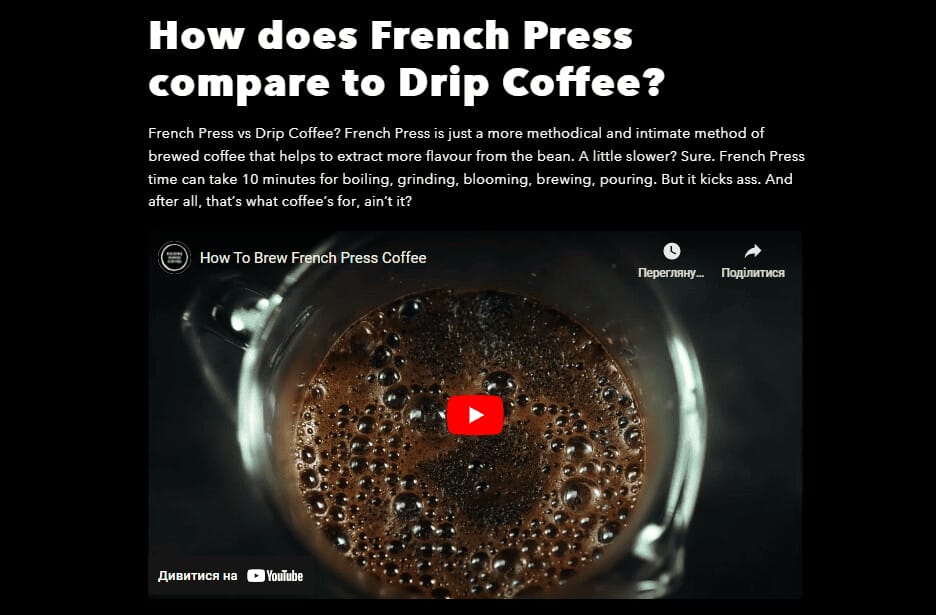
Sample blog post topics:
- “How to Make a Capuorange”
- “What Is a Coffee Blend?”
- “How Caffeine Affects the Body”
- “Alternative Brewing Methods”
- “How to Choose a Coffee Machine”
- “Top 5 Coffee Recipes with Milk”
- “A Coffee Lover’s Daily Schedule: When It’s Good to Drink Coffee—and When It’s Not”
Guest posts on niche platforms will help you reach more people and bring new visitors to your website. The power of content marketing is in being multichannel, so don’t stop at just blogging. When writing an article, prepare announcements for social media, and use a shorter version as a script for a YouTube video.
Adding your store to Google Maps and working with local reviews will also increase website traffic and build brand trust—even if most orders happen online.
Advertising in Search Engines
Set up PPC campaigns with keywords like “buy coffee online,” “specialty coffee,” “coffee beans.” Use geotargeting to reach local customers and promote products through Shopping Ads. Show your items with pictures, prices, and short descriptions directly in search results.
Also use remarketing, banner ads, and video ads on YouTube. When setting up Google Ads, consider how different your audience segments are. For stores with a wide range of coffee options, the best pay-per-click strategy is Dynamic Search Ads. This campaign type automatically creates ads based on your website content.
Seasonal campaigns drive emotional purchases. Don’t miss your chance—offer coffee gift sets for holidays and limited-time items like pumpkin-flavored or gingerbread coffee.

To make the most of your budget, use keywords that show high purchase intent, like “buy whole bean coffee,” “organic coffee.”
Email Marketing
If your website has an attractive offer and a lead form for collecting emails, over time you’ll build a list of interested subscribers. To keep their attention, send regular (but not too frequent) emails with promotions, special offers, or new arrivals.
Email ideas:
- New coffee types or extra products, seasonal items.
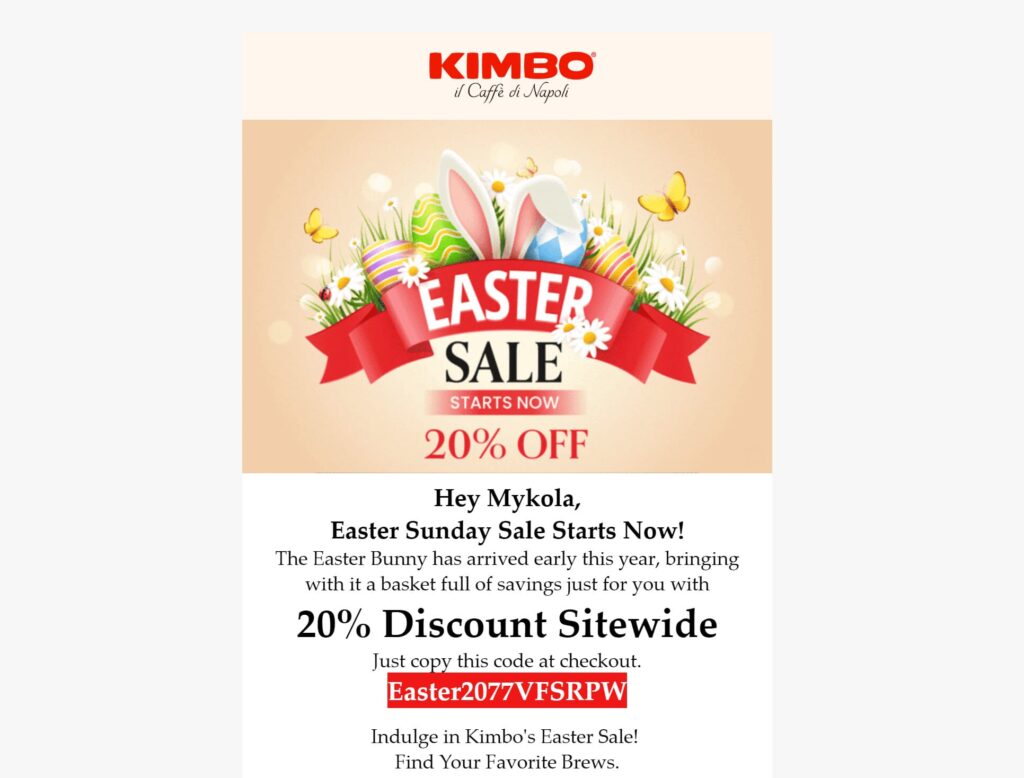
- Holiday sales and exclusive discounts for subscribers.
- Educational content, like blog post announcements.
- Offers for wholesale buyers (send these separately to your partner list).
- Brand stories, production facts, behind-the-scenes content.
- Surveys and event invites (like online workshops).
For new subscribers, offer up to 30% off the first order or free shipping.
Offers, Loyalty Programs, and Collaborations in the Coffee Business
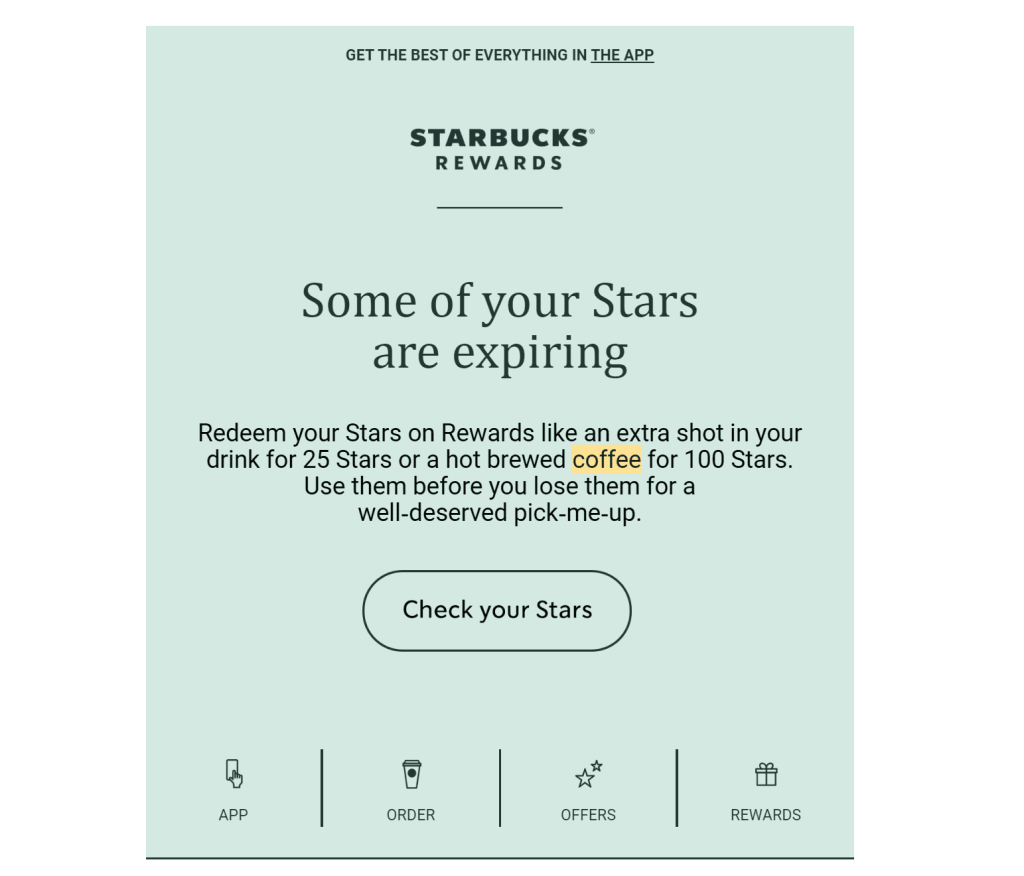
Attracting new customers is important—but so is keeping regular ones and encouraging repeat buyers. Use rewards like loyalty points for purchases, special deals, and tasting sets.
If you want to grow to the next level, consider partnering with local coffee shops and gourmet grocery stores. Collaborating with food or coffee influencers for cross-promotion is also always a smart move.
Personalization helps you win customer loyalty and boost repeat orders.
“Starbucks uses technology to increase customer engagement. Its Starbucks Rewards program offers personalized rewards and targeted promotions based on customers’ preferences and buying behavior. This builds loyalty and makes customers feel recognized and valued.”
—Starbucks Marketing Strategy, Daniel Pereira, The Business Model Analyst
To increase revenue when demand for premium or exclusive products is high, Starbucks often launches limited or seasonal products. For example, their holiday-themed items are available in winter. These limited-time offers are often more expensive. Packaging design and advertising play a big role here.
Coffee lovers are usually active, creative, and busy people. They notice things that are meaningful and bold. What could be your unique hook? Maybe it’s something iconic—like the red NESCAFÉ mug or Starbucks’ powerful online community. Or maybe the best inspiration is right around the corner, and you can bring a trusted local idea to life in your own way.
Conclusions
To attract customers to your coffee store, you need to build an emotional connection with your target audience. Work to get your product not only into your own branded location but also into coffee shops, restaurants, hotels, and grocery stores. This will help you grow sales and increase brand recognition.
Use different marketing channels, interact with your customers, and share their reviews and feedback. A great start is being active on social media. If you have a website, promote it using SEO and PPC. Activate your customer base by sending emails with promotions and new arrivals. You can also use messaging apps and SMS. A well-thought-out content marketing strategy will help more and more true coffee fans learn about your brand.
FAQ
To attract customers, use multichannel marketing (social media, website, SEO and PPC, emails) and build trust-based relationships with buyers.
The best-known examples of successful customer engagement in coffee retail are Starbucks, Peet’s, and NESCAFÉ.
-
Tags
