


+91% LEADS AND -39% CPL FOR A GYNECOLOGY MEDICAL CLINIC: A GOOGLE ADS CASE STUDY
-
Post author

-


In service-based businesses, Performance Max campaigns often generate cheap conversions that never become real leads. That was exactly the situation in this medical niche project. The Google Ads account showed a steady flow of low-cost conversions. However, after comparing the data with the client’s CRM, we saw a completely different picture: 92% of leads from Performance Max had no real value for the business.
We decided to stop using PMax campaigns, rebuilt the account structure, cleaned up the traffic, and changed the overall campaign strategy. As a result, the number of leads increased by 91%, while CPL decreased by 39%.
Google Ads
Service
Medical services—Gynecology
Industry
USA, California
Target Region
Results
+17%
Budget
+91%
Leads
-39%
CPL
Client
Our client is a medical center in California specializing in fibroid treatment without scars or long recovery times. With more than 5,000 procedures completed, the center has built a strong reputation, earned high patient ratings, and become one of the leading providers in the United States within its field.
Despite strong medical expertise, Google Ads was not delivering the expected results. The account had a confusing structure, setup issues, and unstable lead performance.
At the beginning of the project, we set three goals:
- increase the number of leads;
- reduce lead acquisition costs;
- turn Google Ads into the primary lead generation channel.
Marketing Audit
We started with a detailed audit of the advertising account and immediately identified the main issue. The previous contractor approved every Google recommendation without evaluating whether it actually made sense. Budgets were constantly increased too aggressively, keywords were switched to broad match, and campaign settings were changed without a clear strategy.
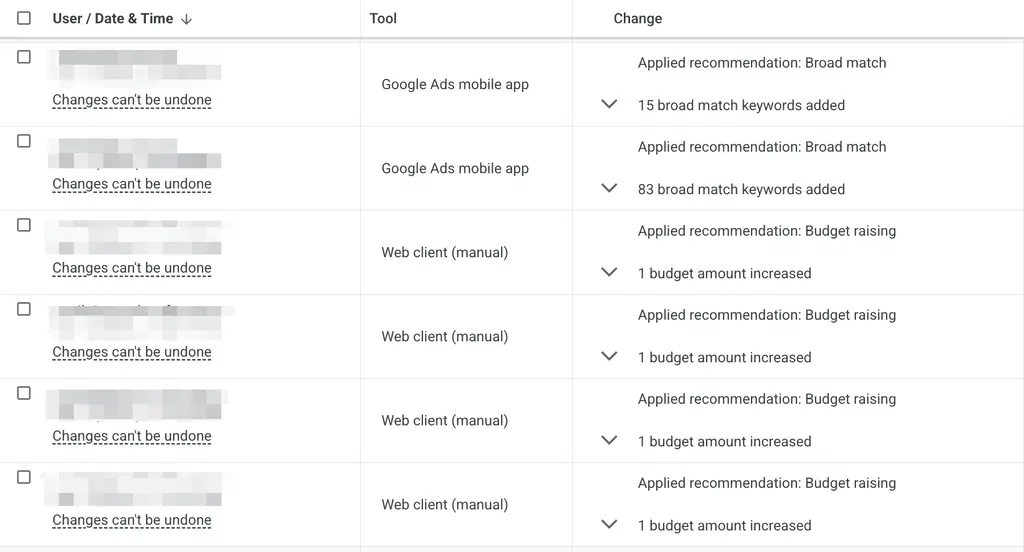
This approach destabilized the system and continuously triggered algorithm relearning. Campaigns lost stability, and performance declined month after month.
During the audit, we also identified:
- suspiciously cheap conversions from Performance Max;
- a confusing campaign structure;
- a large number of irrelevant keywords and unrelated search queries.
We documented all gaps identified during the audit and provided a plan to fix them. The client saw the scale of the issues and agreed to continue working with us.
Analytics
At the beginning, we reviewed the analytics setup. We analyzed each event, its trigger logic, and how the data was being passed into Google Ads.
The audit revealed several critical issues that we fixed immediately:
- removed duplicate events;
- configured the correct trigger logic;
- moved micro conversions into secondary conversions.
After that, the data in Google Ads and Google Analytics 4 started reflecting the real picture. The statistics became clean, without duplicates or false triggers.

Expert Commentary
Uterine fibroid embolization (UAE) is the clinic’s primary revenue driver, which is why this service received the highest priority and more than one-third of the total advertising budget. However, when we entered the account, we discovered a classic issue we frequently encounter during audits of new medical projects: artificially inflated results caused by duplicated analytics tracking.
The system was simultaneously optimizing for two Primary conversions (via GTM and directly from GA4). Even worse, the GTM trigger was firing on any URL containing “thank-you”, so the completion of a simple symptom quiz was being counted by Google Ads as a full lead, and the algorithm was aggressively searching for more of that same “cheap” audience. We kept only one correct Primary goal (request_a_consultation), while all vague micro-conversions and clicks were moved to Secondary.
At the same time, we performed a deep cleanup of search terms: aggressively excluded irrelevant surgical queries, non-converting keywords, and competitor brands. Considering the nature of the condition, we also excluded audiences aged 65+, redirecting the saved budget exclusively toward the relevant age group. Our experience in the Healthcare niche—with dozens of successful projects—proves that moving away from the illusion of large lead volume and optimizing for real qualified consultations is the only way to scale a surgical or minimally invasive practice.
Do not celebrate cheap or expensive conversions, especially when comparing different channels. Compare the cost of acquiring a patient consultation, and ideally also the average revenue per procedure while taking profit margins into account.
Lead verification is mandatory, ideally with sending basic validated lead data back through offline conversions in a way that does not require HIPAA compliance.
PMax campaigns for service businesses, especially medical practices, work in only 7% of cases. AI Max strategies with broad keywords work in only 2% of cases.
Very little of what is recommended in most guides will actually bring more patients to a medical center. Want more booked appointments? Leave a request!
Optimization
After the audit and analytics phase, we moved on to account optimization. We did not rebuild the account from scratch—we optimized the existing structure.
Reallocated Budgets
We identified the most valuable keyword clusters and shifted most of the budget into the corresponding campaigns. At the same time, we reduced budgets in campaigns generating traffic that was too broad and generic.
Optimized Campaign Structure
We rebuilt the ad groups and keyword structure:
- regrouped keywords into more logical themes;
- removed duplicates;
- added new high-intent keywords.
Paused Ineffective Keywords
We paused keywords that did not match the clinic’s profile, including:
- surgical treatment queries;
- medication and alternative medicine queries;
- informational and research-oriented phrases.
Analyzed Broad Match Keywords
We did not pause broad match keywords simply because they were broad. Instead, we reviewed each keyword individually.
Some broad match keywords were generating quality leads, so we kept them active. We only paused the keywords that produced no results and wasted budget. This approach allowed us to maintain lead volume while reducing spending on irrelevant traffic.
Cleaned Up Keyword-Level URLs
We discovered another issue. The previous contractor had added some final URLs at the keyword level instead of the ad level. As a result, keywords within the same cluster were directing users to different landing pages. We removed URLs from the keywords and kept them only within the ads so that each keyword cluster pointed to one correct landing page.
Added Irrelevant Search Queries to Negative Keywords
Even after cleaning up the semantic structure, Google was still matching some irrelevant search queries through broad and phrase match keywords.
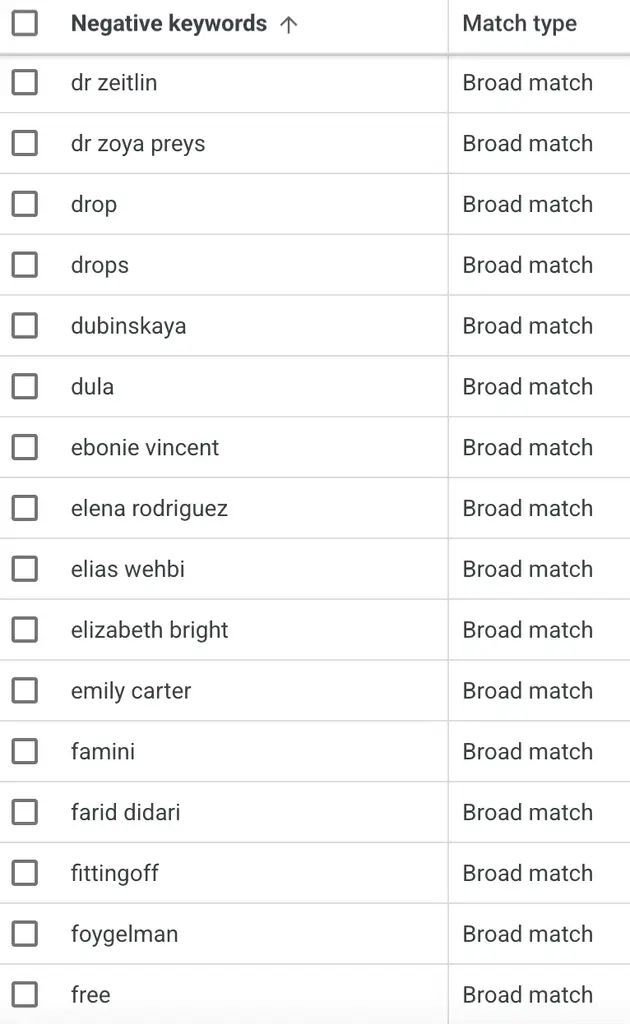
To stop this, we created a large negative keyword list. It included informational queries, names of irrelevant procedures, names of other doctors, surgery-related terms, medication-related phrases, free treatment searches, and other phrases that do not generate quality leads.
Read the case: How We Increased Leads by 115% for an ENT Clinic in the USA
Optimized Assets (Ad Extensions)
We reviewed and updated all assets:
- optimized sitelinks;
- rewrote structured snippets;
- updated callouts;
- connected Google Business Profile to enable the clinic address extension.
As a result, the ads gained more visibility in search results and CTR increased.
Ongoing Optimization
After the first wave of changes, the account got rid of irrelevant traffic and started generating higher-quality leads. To maintain these results, we continue performing weekly optimization:
- reallocating budgets;
- analyzing search terms and expanding the negative keyword list;
- pausing weak keywords;
- adding new target keywords;
- updating bidding strategies;
- adjusting bids by device, geolocation, audience, and time of day;
- improving ad copy;
- monitoring ad limitations and disapprovals;
- reviewing and implementing Google recommendations.

Expert Commentary
At first glance, running PMax campaigns for medical services may seem like the right decision. You quickly start getting conversions and ad impressions across all channels—YouTube, Gmail, Search, Display, and Discover. However, analyzing the actual quality of those conversions is just as important.
In our case, the PMax campaigns generated a large number of conversions with a low CPL, but after a detailed analysis, we discovered that 92% of them were low-quality leads. That is why we decided to pause the PMax campaigns and reallocate the budget into search campaigns.
Another major priority was reviewing and analyzing the keyword structure, which helped us identify and pause unnecessary and duplicate keywords. During the process, we also added new relevant keywords and paused ineffective ones. As a result, we generated more targeted traffic, reduced the share of irrelevant traffic, lowered CPC, and improved CR.
Challenges We Faced
Low-Quality Traffic from Performance Max
Performance Max campaigns became the biggest challenge of this project.
At first glance, everything looked great—the campaigns generated many conversions at a low cost. However, we questioned whether these numbers reflected reality and decided to investigate deeper.
First, we analyzed where the PMax budget was actually being spent. Most of the spend was going into Search. The campaigns were not wasting the budget uncontrollably on Display or YouTube placements.
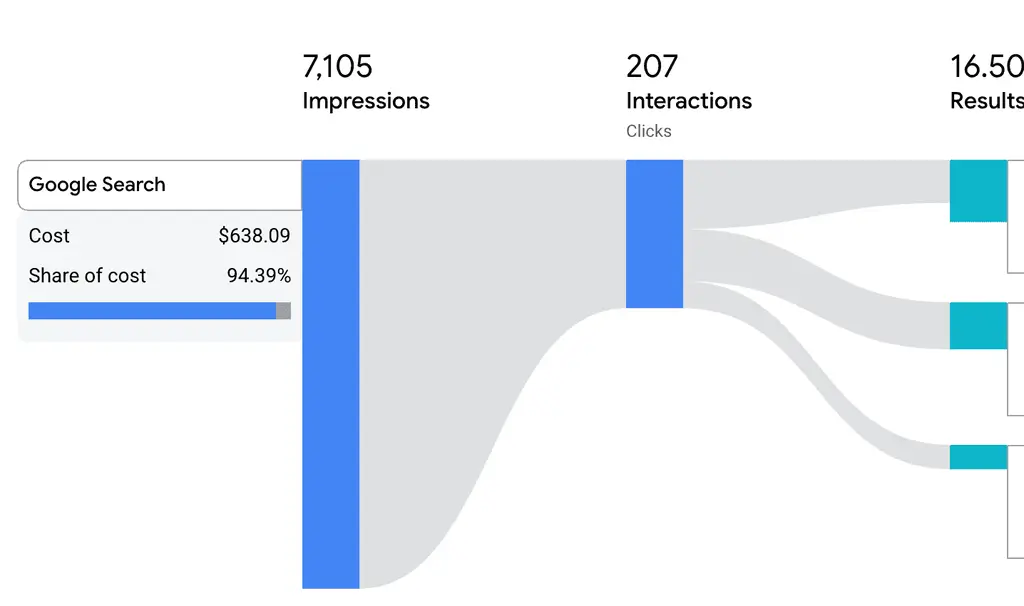
However, there is an important nuance. Even if PMax serves ads in Search, it is not the same type of Search traffic that we control in standard campaigns. In PMax, we cannot directly define the target keywords, we only see part of the search terms, and a significant portion of the ads are automatically generated by Google.
We then analyzed:
- search terms;
- ad copy;
- images;
- landing pages;
- audience signals;
- geo-targeting;
- ad schedule.
All settings appeared to be configured correctly.
After that, we moved to the most important stage—we checked the actual lead quality. Most of the conversions from PMax were phone calls from ad extensions. We exported the phone numbers and sent them to the client for CRM verification.
The result was shocking—92% of the calls had no business value.
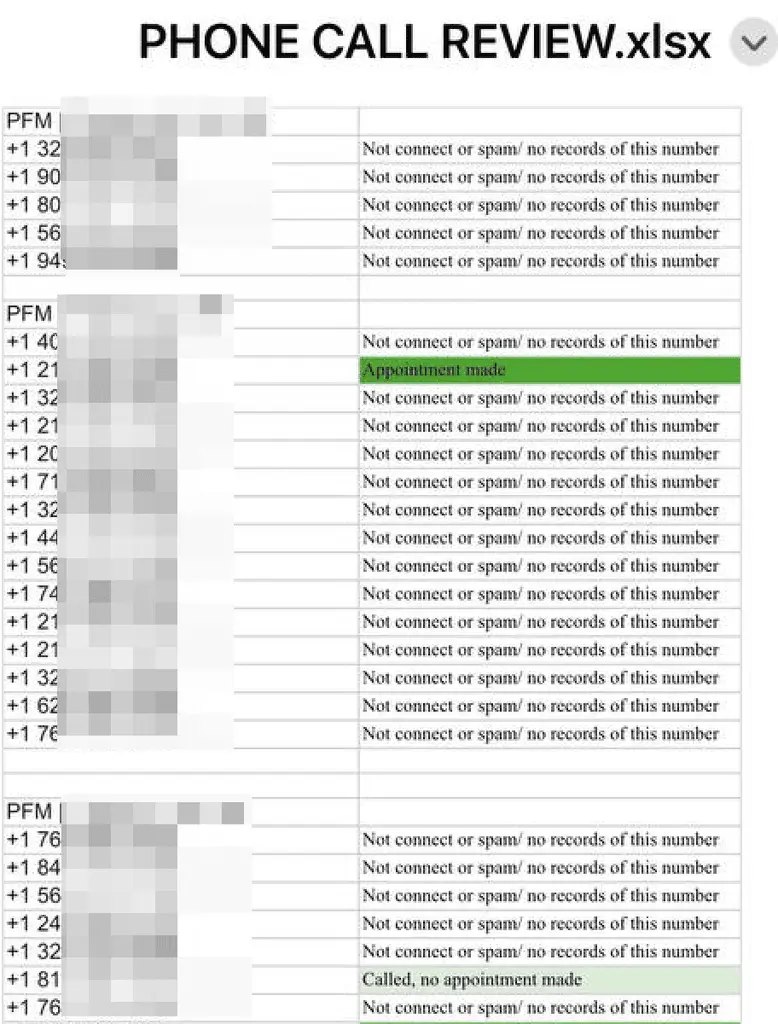
Some numbers never answered. Some never appeared in the CRM. Some turned out to be fraudulent.
Inside the account, these campaigns appeared highly effective. In reality, the cost per real lead was critically high.
We paused Performance Max and shifted the budget into standard search campaigns, where we have much more control over traffic quality.
Branded Search Campaign
The client initially did not want to launch a branded campaign. They believed organic search visibility was enough.
We demonstrated why it was necessary:
- showed the search volume for the clinic’s brand name;
- demonstrated demand for doctor name searches;
- identified competitors already running ads for those queries.
The client recognized the risk. The warmest audience was searching specifically for the clinic, but competitors could intercept that traffic.
After launch, the branded campaign immediately proved its effectiveness. We secured top positions in search results, outranked competitors, and captured the maximum amount of high-intent traffic.
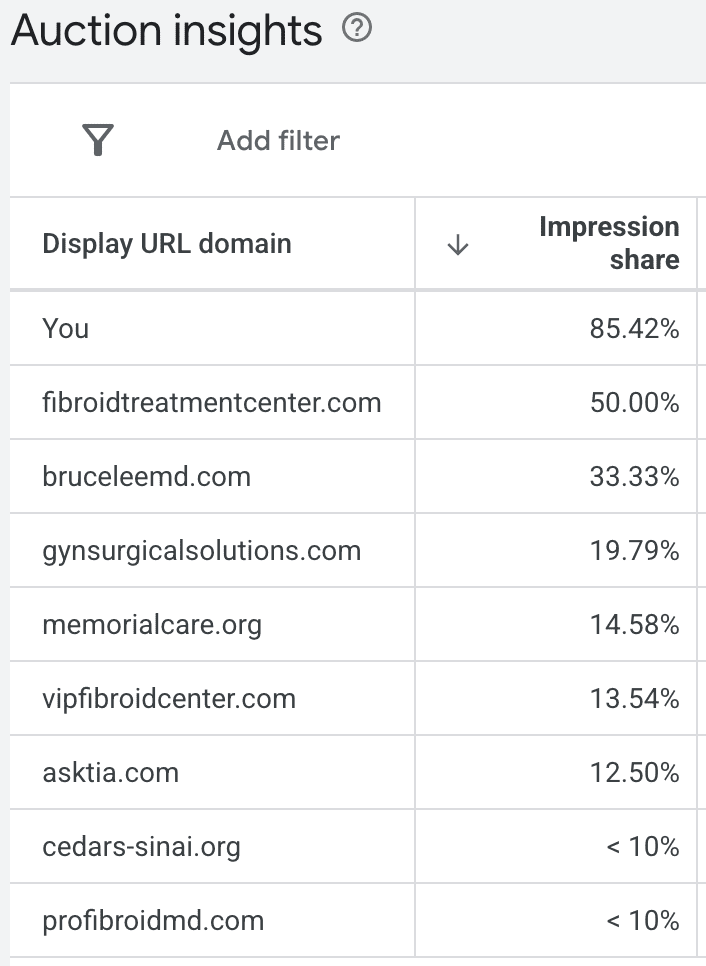
The clinic gained full control over its own brand visibility in search.

Expert Commentary
Small details matter greatly—especially in advertising. That is why our team carefully and thoroughly reviews every part of the ecosystem we work with. During one of these reviews, we discovered that the clinic locations displayed in the website footer through Google Maps were incorrect. Clicking them opened random residential buildings or empty map points without business information, photos, or reviews.
This could have negatively affected conversion rates because potential patients expect complete and trustworthy information about the clinic. After identifying the issue, we informed the client and provided clear recommendations for correcting the links and properly optimizing the location profiles.
Myroslav Lychak—PPC Specialist at marketing.link
Results
A year and a half of systematic work completely transformed the advertising performance.
During this period, we:
- increased the budget by only 16.70%;
- increased lead volume by 91.11%—from 45 to 86 leads per month;
- reduced CPL by 38.94%—from $65.60 to $40.06.
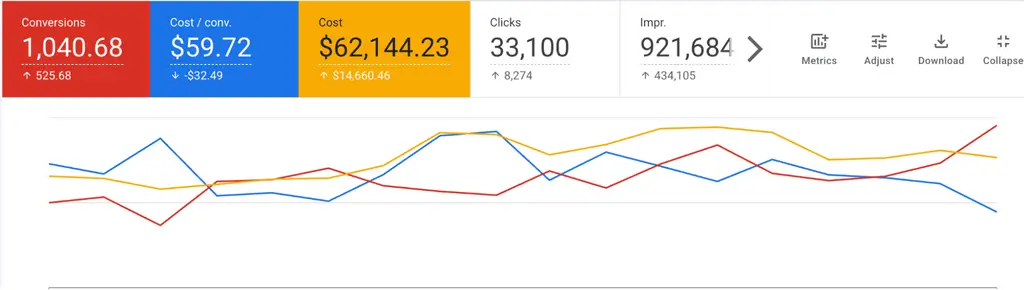
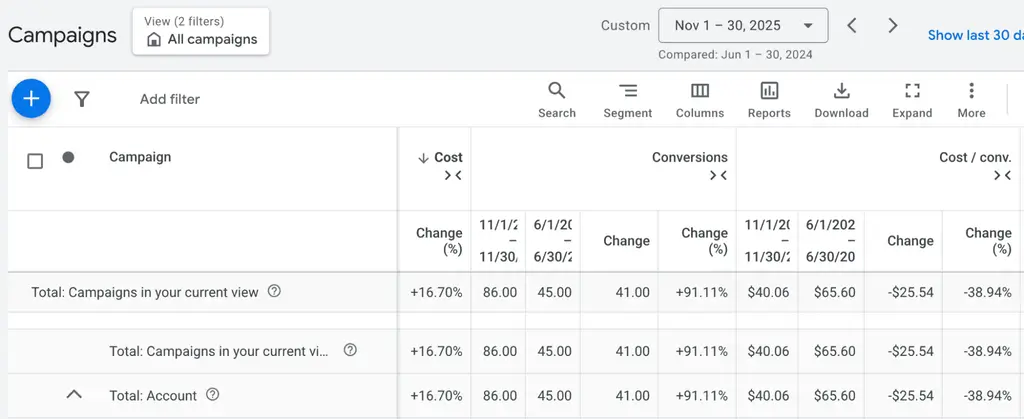
Normally, when budgets increase, CPL also rises. Campaigns expand into broader audiences, and new users tend to convert less efficiently. In this case, we achieved the opposite scenario and turned Google Ads into the #1 acquisition channel for new patients.
Conclusions
This case once again confirmed a simple truth: in Google Ads, success does not belong to the advertiser who sees the highest number of conversions in the report, but to the one who can distinguish real leads from noise.
Performance Max campaigns looked like the best-performing campaigns in the account. In reality, they were hiding 92% invalid traffic and burning through the budget. We ignored the vanity metrics, validated the numbers through CRM data, and built a system focused on real business outcomes.
The near doubling of lead volume was not the result of one successful setting—it came from systematic work, ongoing analysis, and careful attention to detail.
Book a personalized consultation for your business
-
Tags
