

PAY PER CLICK OR PPC (PAY PER CLICK)—WHAT DOES IT MEAN?
-
Post author

-


Pay-Per-Click (PPC) brings traffic to landing pages and helps build brand awareness. It works quickly and efficiently. This is an online advertising model where advertisers pay for each click on their ad link. This strategy helps improve website visibility in search engines and increases site visits.
What is it about?
- Essence and benefits of PPC
- How does Pay-Per-Click work?
- PPC features on different platforms
- How is the cost per click formed?
- Keyword selection and campaign management
- Conclusions
Essence and benefits of PPC
The main difference between PPC (Pay-Per-Click) and CPC (Cost-Per-Click) is that PPC describes a marketing model, while CPC is a specific metric—the price an advertiser pays for each user click. Besides CPC, PPC also includes other measurement methods like CPM (Cost per Mille—the cost per thousand impressions) and CPA (Cost per Acquisition—the cost per action).
The Pay-Per-Click online advertising model is used to bring paid traffic to websites. The advertiser pays the publisher when a user clicks on the ad—that’s why it’s called “pay per click.” In this case, the publisher can be a search engine, a website owner, or a network of sites where the ads are shown.
Google started showing this type of ad in December 1999, and in October 2000, it launched the AdWords system, which still allows advertisers to place text ads in the search engine. The PPC model was officially launched in 2002. Social media platforms like Facebook, Instagram, LinkedIn, Reddit, Pinterest, TikTok, and Twitter also adopted pay-per-click as one of their main advertising strategies.
On the other hand, display PPC advertising—also known as banner advertising—appears on websites with related content that agreed to show ads. Usually, advertisers in this case pay not per click but per one thousand impressions (CPM).
The cost per click is calculated with the following formula:
CPC = advertising cost / number of clicks (clicked ads)
There are two main models for setting pay-per-click (PPC) pricing: flat-rate PPC and bid-based PPC.
In the flat-rate PPC model, the advertiser and the publisher agree on a fixed amount to pay for each click. Often, the owner of the platform where the ad will appear has a pricing list with different costs for different areas of the website or network. Usually, placements next to content that attracts more targeted visitors cost more.
Websites that use flat-rate pricing are usually clearly divided into categories for products or services. This makes it easier for advertisers to target potential customers.
Bid-based PPC uses an automatic auction system. The advertiser signs an agreement that lets them compete with others. A new bid is created every time someone searches for a keyword that is being targeted. All bids for a keyword—adjusted for user location, day, and time of the search—are compared in real time.
“This model lets advertisers place bids for ad space (usually for keywords). Using an ad platform, advertiser websites compete with each other (like an auction). The main goal is to get the best ad position for the lowest price. Advertisers do this by stating the maximum amount they are willing to pay for the ad space.”. Pay per click, Wikipedia
PPC advertising works well for most industries, both B2B and B2C. It can be very effective for seasonal products and services because it helps quickly promote sales and discounts, and lets you change campaigns fast. PPC also works great for startups and new products, because it helps build brand awareness fast and test demand.
With location targeting, PPC is perfect for local businesses. In general, PPC is a great tool for quickly bringing in customers for small and medium businesses. For e-commerce, it helps attract targeted buyers and use remarketing to increase sales.
Many people confuse PPC and SEM. But SEM is a broader term. Search Engine Marketing includes both paid ads in search engines (PPC) and growing free organic traffic (SEO).
Many marketers and business owners see PPC as an asset and a smart investment in promotion. In 2022, Pay-Per-Click ads brought in an average of $2 for every $1 spent. The average cost per click (CPC) was $1.16.
Benefits of PPC Advertising
Fast results
With SEO, you may need to wait months or even years to see results. But PPC advertising brings traffic to your website almost right away. Most platforms approve ads on the same day they are launched, so advertisers get targeted visitors almost immediately.
Multichannel options
You can create a text ad for Google Search, an image ad on Instagram, or a video ad for YouTube. To get the most clicks, it’s best to use multiple platforms and different ad formats.
Reach your target audience
With PPC targeting settings, you can avoid unwanted views and non-targeted clicks. In your ad account, you can choose specific demographics, interests, behaviors, and social networks people visit often. It’s important to test different targeting options and adjust your ads as needed.
Cost-effectiveness
PPC is not always cheap. But it can still be more cost-effective than traditional ads or even growing organic traffic. You only pay when a potential customer clicks on your ad. Also, you control your campaign budget. If needed, you can quickly increase spending or pause the ads to save money.
Brand promotion
Online users are 50% more likely to take action after clicking a paid ad compared to clicking an organic search result. Brand loyalty also grows when people see your brand mentioned on social media and keep seeing your ads in their feed or on other parts of the page. But don’t overdo it—aggressive marketing like Temu’s can annoy people. Ads that are too pushy or poorly targeted can hurt your brand’s image.
Supports SEO
PPC can help improve your SEO results and social media targeting. You just need to review your campaign data to see which keywords and offers work best for your audience—and which ones to remove from your overall strategy.
Trackable results
You can track and analyze clicks, conversions, and views in Google Ads and Google Analytics. Measurable results help you see your return on investment (ROI) and other key performance indicators (KPIs).

Anyone can learn how to create campaigns in Google Ads, Facebook Ads, and others. PPC advertising is a universal, effective, and most importantly—easy-to-measure way to reach your target audience and increase sales.
Pay-per-click gives clear data about how well the ad works, which makes it the most convenient ad model. If the goal of your campaign is to bring targeted traffic to a website or social media page within a set time frame, pay-per-click ads are the simplest way to reach the desired results.
How does Pay-Per-Click work?
According to research, over 57% of users do not recognize paid ads when they see them. However, users usually choose websites that appear at the top of search engine results, seeing them as more trustworthy. This way, PPC helps build trust and loyalty with potential customers.
When a user searches for one of the keywords or phrases used in the advertiser’s campaign, the ad appears among the top results. As soon as someone clicks and lands on the target page, a fee is charged.
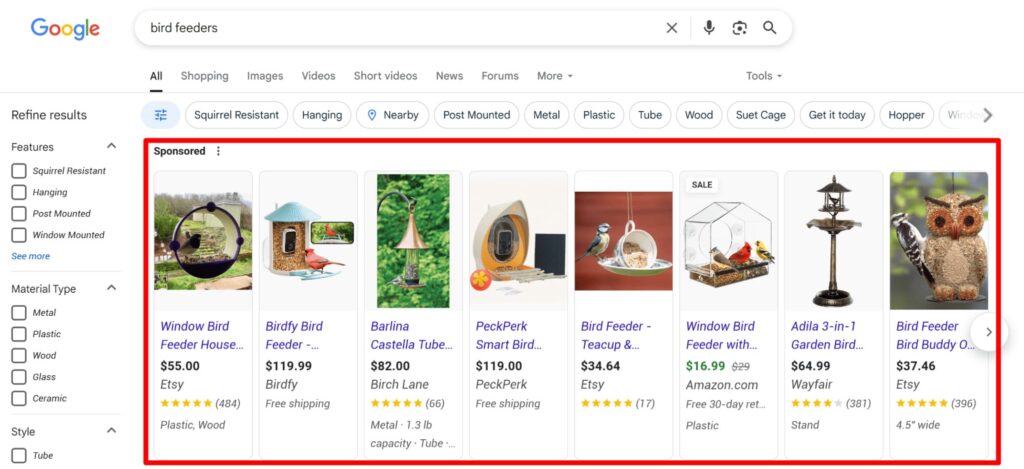
Advertisers set the maximum bid for the keywords they want to target. They create campaigns aimed at an audience with specific demographics, interests, location, and more. The search engine decides how to show ads using a complex algorithm. Different factors are taken into account.
- The advertiser’s bid—the amount they are willing to pay per ad click. The higher the bid, the better the chance to appear in a top position.
- Ad quality. Google puts strong focus on this score, which includes three main parts: how well the keywords match the user’s search, the expected click-through rate (CTR), and how relevant and user-friendly the landing page is (like page load speed and more).
- Competitive environment. This means the number and quality of ads from other advertisers targeting similar keywords. If there is high competition, ad costs go up and standards get higher.
- User behavior. The algorithm looks at past searches, location, search time, and more.
- Device variation. The platform checks what device the user is searching from—computer, smartphone, or tablet. This helps optimize the ad display.
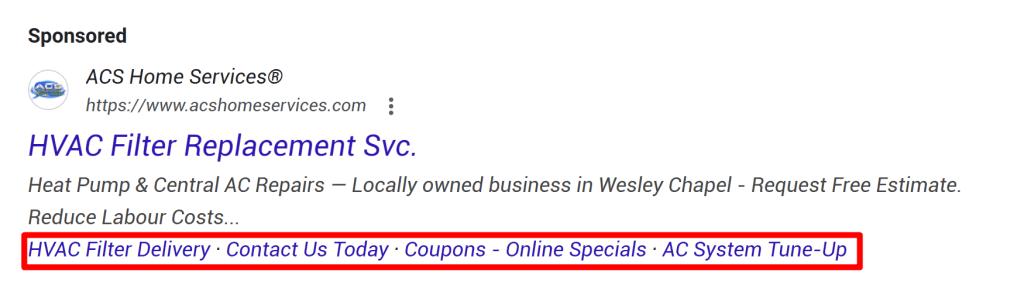
- Extensions, such as extra links, phone number, or address. If these added elements improve relevance, they help boost the ad’s position.
Google’s algorithm changes all the time, so it’s important to regularly improve ad quality, update content on landing pages, and make targeting more accurate to ensure the most effective ad displays for users.
Search ads are the most popular type of pay-per-click advertising. They usually appear as text snippets marked “Ad” at the top of search engine results, above the organic listings. Their relevance to user search queries makes them the best way to bring traffic to landing pages.
The next type is video ads. Video ads can appear not only on YouTube but also on social media, various websites, and streaming platforms.
Remarketing is a type of advertising shown to users who have already interacted with a website or mobile app. Remarketing ads remind potential customers about the company or a specific product and help bring them back.
Consumers who planned to order something, even added items to the cart but didn’t finish the purchase, are very likely to take action after clicking a remarketing link. So this method is useful when you have good reach but not enough orders.
📌Read the article: Guide to Launching Campaigns in Google Local Services Ads
Remarketing campaigns track user behavior on a website or in a mobile app, then use this data to show targeted ads when users browse other websites or use other apps.
This is done by placing a cookie or pixel in the user’s browser or device, which is then used to identify them and show relevant ads. However, this way of increasing sales is becoming limited due to changes like Google Chrome ending third-party cookies, Apple iOS privacy protections, and the General Data Protection Regulation (GDPR).
PPC Features on Different Platforms
Google Ads is the largest PPC advertising platform. It’s known that Google processes about 100,000 search queries per second. So the chances that your target audience will see your ad are very high. Google Ads works well for companies of all sizes and in different industries.
Google Ads lets you show ads in search results, on YouTube, in mobile apps, and on partner websites that are not search engines.
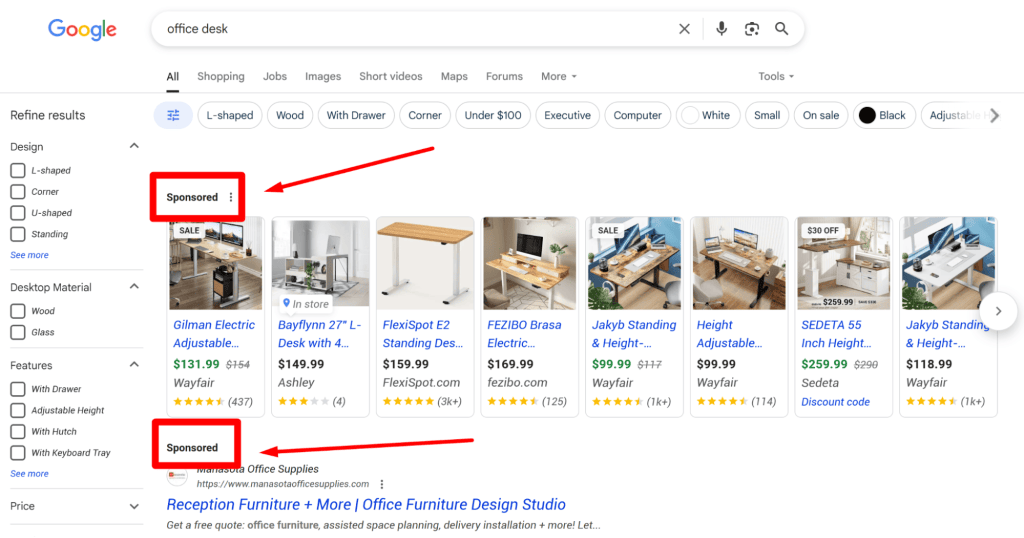
“No matter which ad platform you use, you likely see PPC ads every day if you use a smartphone or computer. Paid search ads, like Google Ads, appear at the top of search result pages as sponsored content. Paid social ads (including shopping ads) usually appear within other content, like Instagram feeds or Etsy product lists.”—PPC Advertising: The Ultimate Guide, Forbes Advisor
Let’s look at other popular PPC platforms.
Facebook Ads
Facebook ads appear in the news feed, in the right column on desktop, and in the “Stories” section on mobile.
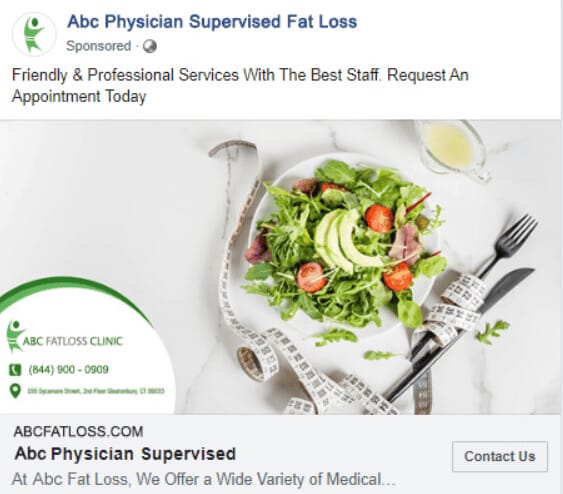
They can use different formats:
- Image and video—a single picture or video with a short headline and a call-to-action button
- Carousel—multiple images or videos in one ad
- Slideshow—a mix of still images
- Instant experience ads—full-screen images in the Facebook mobile app
- Collection ads with links to a full-screen view of offers
Facebook’s algorithm uses information about users’ demographics, interests, and location to show ads to the right audience.
Instagram Ads
Instagram ads appear as sponsored posts that look like regular content in the news feed:
- Photo ads—a single image to promote a product or service;
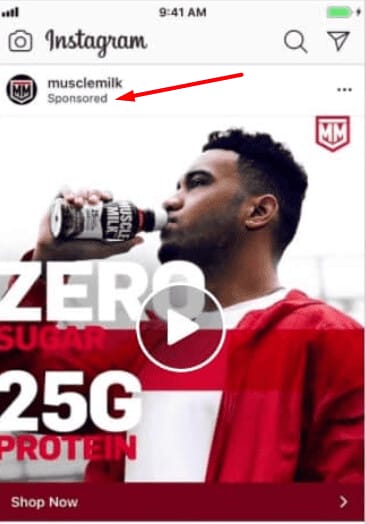
- Video ads—a short video to promote a product;
- Carousel ads—multiple images or videos in one ad;
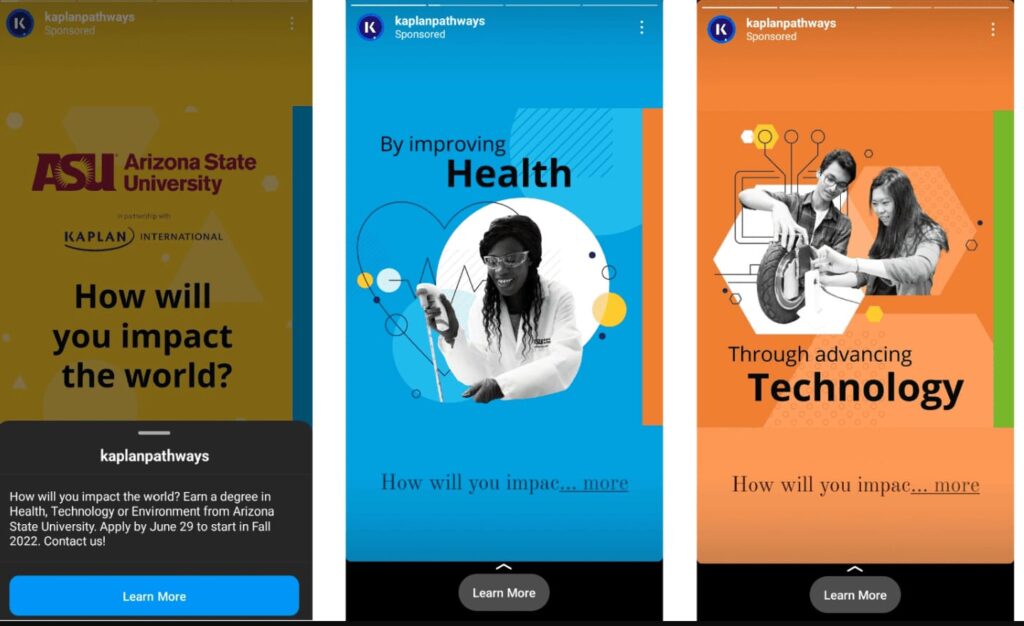
- Stories ads—ads that appear in Instagram Stories and disappear after 24 hours;
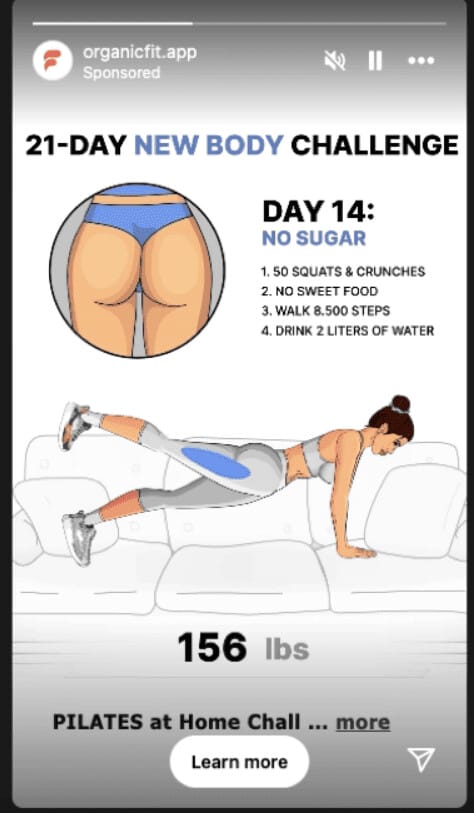
- IGTV ads—shown before IGTV videos start
Instagram ads can be paid for and measured by cost per thousand impressions (CPM) or cost per click (CPC).
YouTube Ads
This type of online advertising is very effective, as video content stays popular and YouTube has a large reach.
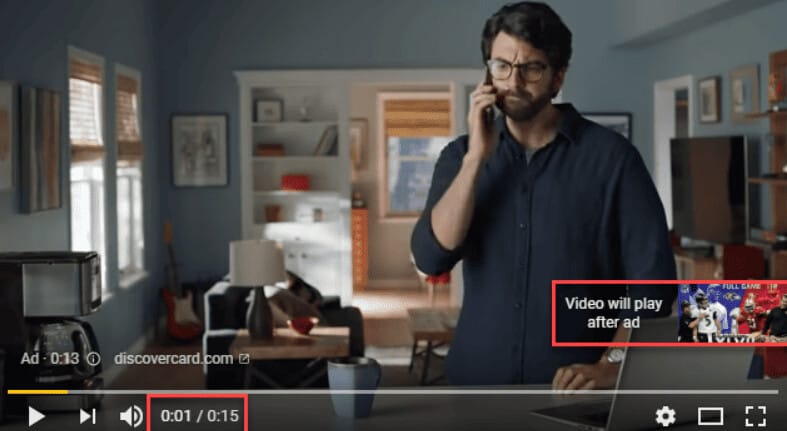
YouTube ads can appear in several forms:
- Skippable video ads up to 1 minute long that users can skip after 5 seconds
- Non-skippable video ads up to 15 seconds long that users must watch fully
- Bumper ads up to 6 seconds long that can’t be skipped
- Sponsored cards—small boxes on the screen during the video with extra info about the promoted product or service
- Overlay ads—semi-transparent ads that appear at the bottom of the video
YouTube ads can be bought by cost per view (CPV) or cost per click (CPC).
Microsoft Advertising
Previously called Bing Ads, this platform lets you run ads in Microsoft Bing search and across the Microsoft Advertising Network.
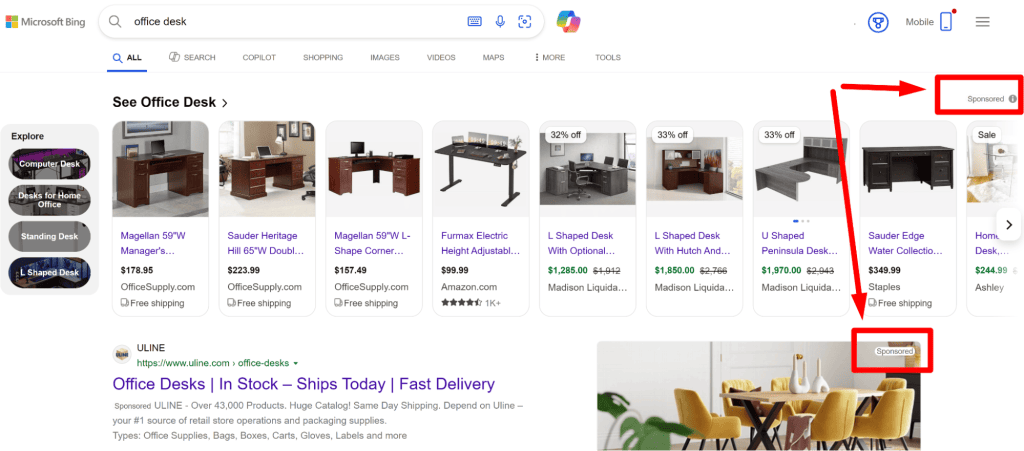
Available ad types include search ads, product ads, shopping ads, display ads, and video ads. These can also be paid for by click or impression.
TikTok Ads
TikTok ads are attractive to modern users due to their format.
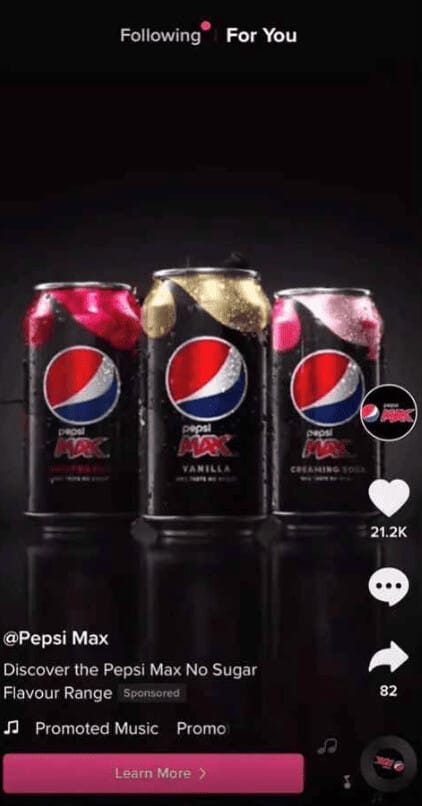
Videos are often viral, with music and trending marketing content. There are several ad types:
- Full-screen in-feed video or image ads;
- Full-screen branded ads that appear when users open TikTok;
- Branded effects created by brands that users can add to their own videos;
- A special format where advertisers encourage users to share their own videos using branded hashtags.
These ads can be purchased based on cost per thousand impressions (CPM) or cost per click (CPC). TikTok offers a self-serve platform for small and medium businesses and managed service for larger companies to run campaigns.
LinkedIn Ads
The LinkedIn platform is mainly used to reach a professional audience, so it’s often used for getting leads in the service industry, building brand awareness, and promoting job openings.
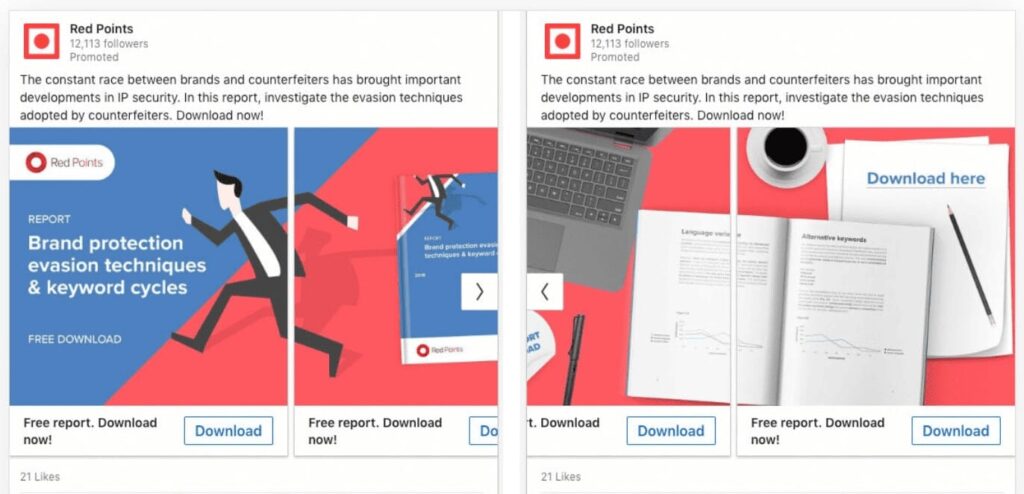
- Sponsored content—ads that appear in the news feed as text, images, or videos, similar to regular posts.
- Sponsored InMail—ads that users receive directly in their inbox.
- Sponsored job listings promote job openings and appear at the top of the relevant section.
- Display ads are banner ads shown on the right side of the page.
- Dynamic ads automatically create personalized content for each user based on their browsing history.
Targeting on LinkedIn can include more details—such as demographics, job title, company size, industry, skills, and behavior. Ads here can be either CPC or CPM.
Targeting on LinkedIn can include more details—such as demographics, job title, company size, industry, skills, and behavior. Ads here can be either CPC or CPM.
Ads on X (Twitter)
Ads on X (Twitter) are designed to reach a wide audience and can be used to drive website traffic and promote brand awareness.

The platform offers several ad formats:
- Promoted tweets in text, image, or video form appear at the top of users’ timelines or search results pages;
- Promoted accounts appear in the “Who to follow” section;
- Promoted trends display a hashtag at the top of the trending list;
- Website cards promote a web page or landing page and include an image, title, and description;
- App install cards attract mobile app users and also include an image, title, and description.
Twitter ads can be purchased based on cost per engagement (CPE) or cost per click (CPC).
Amazon Ads
Amazon Advertising helps promote products and services directly on the world’s largest marketplace. The advantage is that users are already in buying mode, so ads convert well. You can promote individual products that appear in search results and on product pages. You can also manage reviews and product ratings.

How Is Cost-Per-Click Calculated?
The average CPC is about $2 for Google Ads and $1.86 for Facebook Ads. Costs vary—sometimes over $30 per click—depending on the platform, chosen keywords, industry, competition level, and ad quality.
“In search engines, advertisers usually bid on keyword phrases relevant to their target market and pay when ads are clicked (text or shopping ads with both images and text). In contrast, content sites often charge a fixed price per click instead of using a bidding system.”—Pay-per-click, Wikipedia
Google calculates CPC using this formula:
Ad rank of the ad below you ÷ your quality score + $0.01
For example, if the ad rank of the advertiser below you is 10 and your quality score is 5, you’ll pay $2.01.
Your ad rank is calculated as:
Your max CPC bid × your ad’s quality score
For example, a max bid of $2 and a quality score of 15 equals an ad rank of 30.
These are just rough estimates—they don’t replace full budgeting or predict exact CPC. But they help explain how bid and ad quality interact to shape real costs per click.
The higher your quality score, the less you pay per click and the better your chance of getting a top spot in search results. Remember—return on ad spend (ROAS) is more important than CPC alone.
CPC is mostly set by an auction system. The auction decides where your ad appears and whether it shows at all. Platforms don’t reveal exact algorithms, but they offer general tips on bidding strategy, ad quality, and campaign setup.
According to WebFX, in 2024 PPC costs businesses between $100 and $10,000 per month (45% of companies). Most businesses pay $0.11–$0.50 per click (61% of companies) and $0.51–$1.00 per 1,000 impressions for Google Ads and Microsoft Ads. The U.S. has one of the highest CPC rates due to strong consumer spending power.
Keyword Planning and Campaign Management
To plan a PPC campaign, define your target audience, set clear goals (like increasing website traffic), and research keywords using tools like Google Analytics, Google Keyword Planner, and others. These tools show which queries are already driving traffic, helping you decide which keywords to target next.
High-volume keywords can be expensive. Balance them with more specific ones related to your audience or product category. These long-tail keywords are usually cheaper.
Use different keyword match types and don’t forget to add negative keywords. These block irrelevant searches and reduce wasted spend. Some keywords only make sense seasonally—for holiday items, trends, or product launches. One product might be searched differently depending on the time of year.
Choose keywords based on cost and expected return to increase ROI and manage your budget better.

A key part of your campaign is writing compelling ads. Create headlines and descriptions that grab attention and encourage clicks. Use ad extensions like location, phone number, or promo links.
Once your ad with keywords is ready and targeted to your ideal customers, choose platforms (like Google Ads or Meta Ads) and set your budget.
Track and optimize the campaign during its entire run. Test different ad formats and targeting settings.
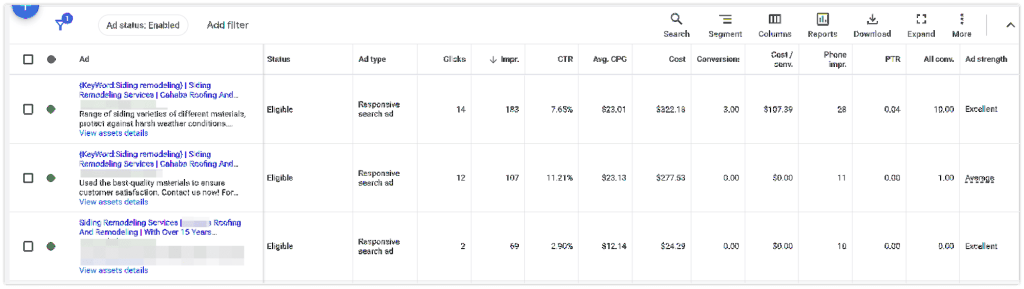
Key Steps to Manage Campaigns Effectively:
- Keep adding new keywords—use search data and user behavior
- Add negative keywords—spend only on clicks that convert
- Analyze and adjust costly keywords—pause or lower bids for those with no conversions
- Optimize landing pages—match them to user queries and improve load time and calls-to-action
- Use different landing pages for different search terms
- Break ad groups into smaller, more relevant segments—this improves CTR and quality score
In Summary Pay-per-click advertising is very effective and not hard to manage if you understand the basics of targeted ads.
Conclusion
Pay-per-click marketing is an ad model where advertisers pay platforms like Google or Facebook a fee each time someone clicks on their ad. Every time Google or another system decides which ads to show in search results, an ad auction takes place. This depends on the bid, ad quality, and other factors.
The cost per click is calculated with the formula: CPC = advertising cost / number of clicks. You can use a flat-rate model or a bid-based model with an automatic auction. In the second case, the bid is recalculated every time someone searches for a targeted keyword.
The most popular PPC platforms are Google, Facebook, Instagram, YouTube, Microsoft, TikTok, LinkedIn, Twitter, and Amazon. Most of these platforms also offer ads based on cost per thousand impressions, but pay-per-click ads—including search ads, video ads, and remarketing—are usually the most profitable in terms of return on investment.
What marketing tools are used in the flower business? In the flower business, marketers use SMM, SEO, PPC, email marketing, Google My Business, and niche platforms. Regularly analyze and improve your website’s conversion rate and take part in expos and local events.
How to promote a flower shop? To promote a flower shop, start with social media. Create attractive visual content and develop a unique selling proposition based on your target audience analysis. Follow flower industry trends and work with local community spots and influencers.
Answers to Questions
Ad Rank is the score that Google or another ad platform gives to each ad during the auction. It’s based on many factors like the bid, ad quality, ad extensions, and more.
The cost per click in PPC advertising is affected by several factors—mainly your bid, the quality of your ad, and the competition in the auction.
The estimated bid per click is calculated with the formula: Ad Rank of the ad below you ÷ your quality score + $0.01
Ad Rank is calculated with the formula: Your max CPC bid × your ad’s quality score
-
Tags
