

WHAT IS DATA-DRIVEN MARKETING
-
Post author

-


A study by Invesp showed that data-based personalization increases marketing ROI by about 20%. Without analytics, it’s impossible to create a customer profile, divide audiences into segments, and design offers that truly interest people. A solid marketing strategy should be based on real data. This makes data-driven marketing more accurate and effective than traditional marketing, which often relies on guesses.
What is this about?
- Benefits of using data-driven marketing
- Where do marketers get data?
- Types of big data in marketing
- Examples of data-driven marketing
- Conclusions
Benefits of using data-driven marketing
Data-driven marketing is based on information about user behavior online. By understanding what the target audience wants, marketers and business owners can improve not only advertising and content but also the product itself.
“Data-driven marketing is the process of collecting and using data to make marketing decisions and personalize communication with customers. This data often includes demographics and consumer behavior, which helps marketers reach the right people in the right place at the right time.”—What Is Data-Driven Marketing & Why Is It Important?, — Semrush Blog
According to Adweek, more than 50% of marketers use Big Data to:
- improve communication with the audience;
- target content;
- develop marketing strategies;
- improve products or services;
- set prices, prepare promotions, lead magnets;
- create analytics reports.
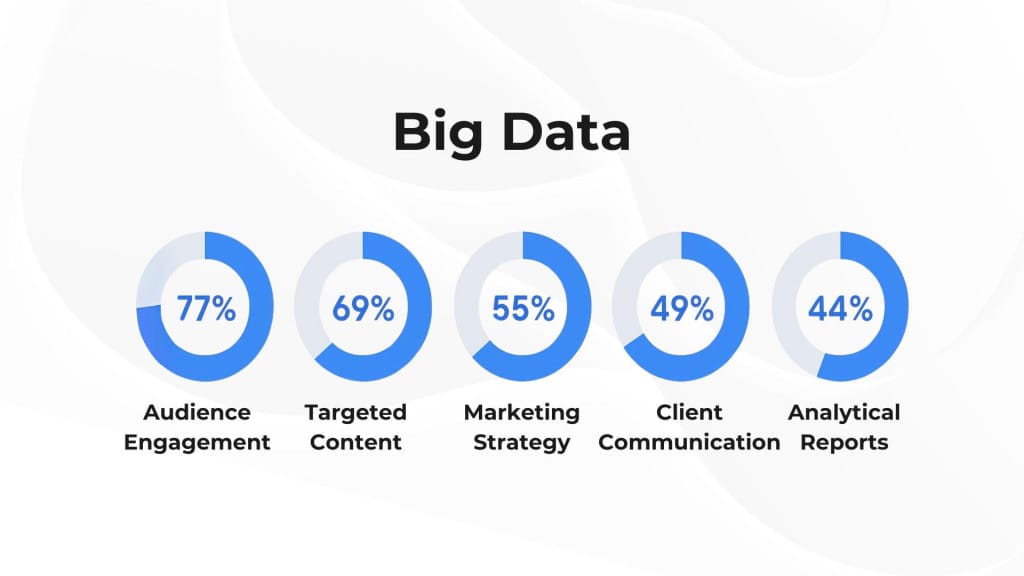
The data-driven approach helps marketers get the most out of analytics tools and accurately identify the target audience. Access to data about user searches and behavior on websites or social media is key to meeting customer needs.
Thanks to data-driven marketing, internet users see fewer ads they don’t care about. They can interact only with brands they like, get timely offers, see only relevant ads, and receive interesting emails.
Marketers in large companies track customer service processes and analyze online user activity — comments, posts, reactions, and forum discussions. Website owners understand how much time visitors spend on pages, which buttons they click most, what they read, and what they skip.
Main functions and benefits of data-driven marketing
- accurate targeting, detailed segmentation, personalized messages and ads;
- tracking order frequency, classifying purchases by product type, price, and other features;
- making smart decisions about marketing strategy, efficiently allocating budgets;
- attracting new customers and retaining loyal ones.
Using analytics, you can grow your audience and stop targeting the wrong people. You can also predict how potential customers will react to planned campaigns.
Data-driven marketing helps get customer feedback and reduces wasted actions by advertisers. For example, a luxury product won’t be shown to users with low buying power.
A key benefit of data-driven marketing is omnichannel reach. A marketer looks at data from:
- organic traffic, keyword ranking, and other SEO and content marketing metrics;
- bounce rate, average time on landing pages;
- number of followers, engagement in social media;
- email open rate, click-through rate;
- return on ad spend, cost-per-click, and other PPC metrics.
All this helps better allocate resources, improve audience interaction, and create a brand image that uses personalized offers instead of aggressive marketing — and knows what and to whom it sells.
📌Read the article: What is GDPR, personal data and cookies?
Where do marketers get data?
Traditional marketing includes any marketing activity, but it’s not always measurable. For example, you can’t know how many leads came from flyers or ads on public transport — same with TV and radio ads.
You can use promo codes or focus groups, but results are rough, and customer journeys remain invisible. Marketers who don’t use data-driven marketing rely on intuition, which stops ad improvement and automation of many processes. In contrast, digital marketing compares different metrics, constantly optimizes customer acquisition, and improves service.
“Data-based models are a class of computational models that mainly use historical data collected over the lifetime of a system or process to show relationships between input, internal, and output variables.”—Wikipedia
Data sources
- market and audience research tools;
- tools to monitor competitors;
- website and social media analytics;
- customer relationship management (CRM) platforms;
- email services, chatbots.
Google Analytics is one of the most important platforms for collecting data from websites and apps.

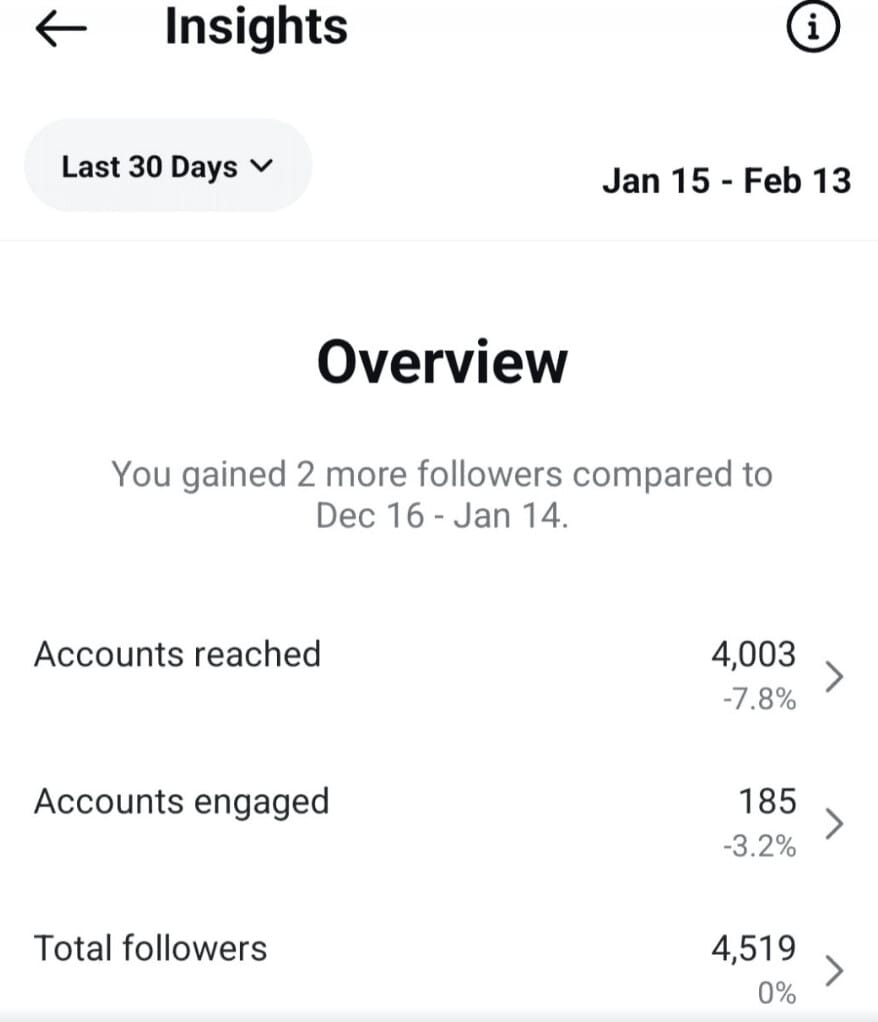
Every platform has its analytics tools. For example, Instagram provides graphs and data in business profile tabs.
Facebook has multiple tools for tracking results and reporting. Its data can be found in Meta Business Suite—which shows stats for both Facebook and Instagram (if Instagram is a Business account and linked to Facebook).
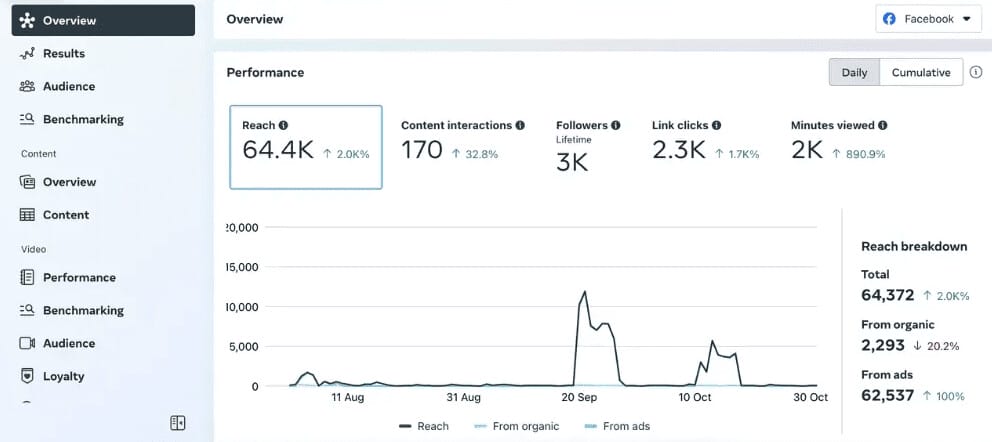
To improve your Facebook content strategy, you can also use tools like Socialinsider or AgoraPulse. These paid tools offer more detailed data. In Sprout Social, you can compare your metrics with competitors.
If you run a YouTube channel, track your growth in the Channel analytics tab.
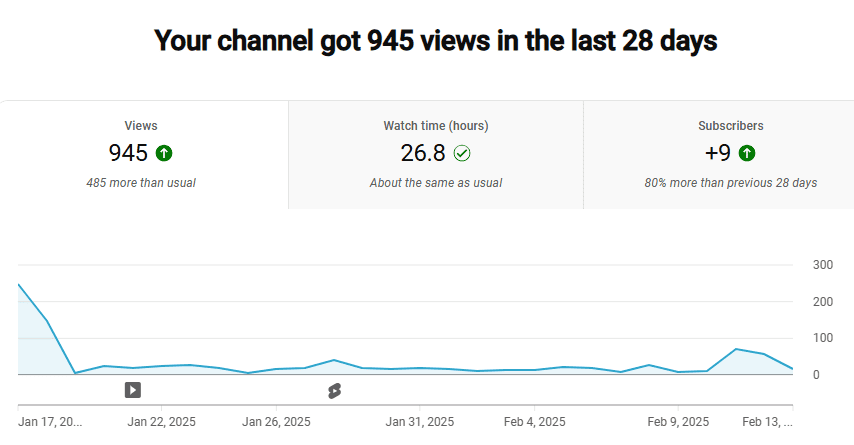
YouTube Studio even suggests ideas for future videos—based on your audience’s interests.

Pinterest also gives forecasts in the Pinterest Predicts section—for example, which color will be trending for different generations…

…or what makeup or search trends are popular.

For businesses with lots of clients, it’s important to use a CRM.
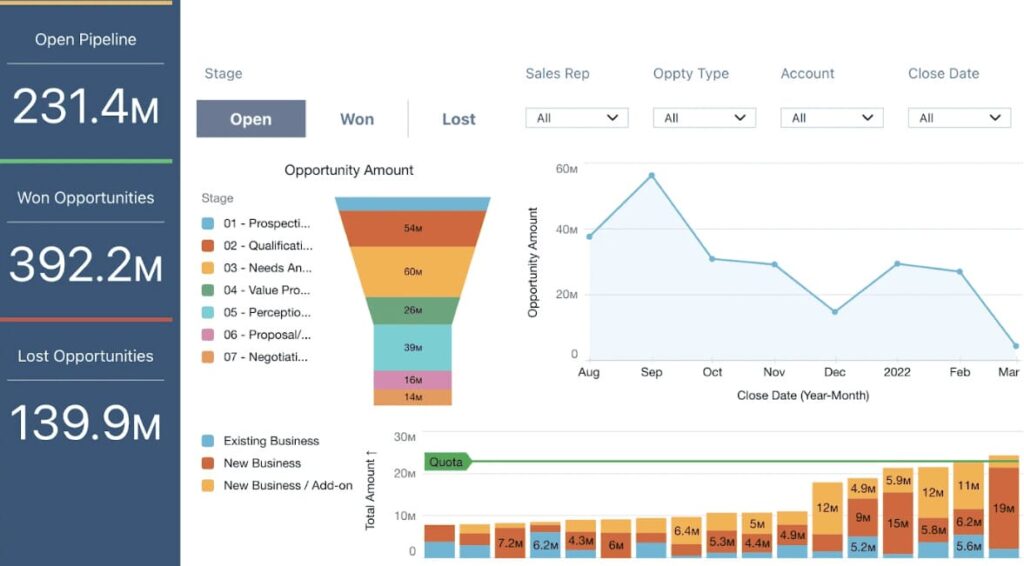
A CRM system shows data visualizations and comparisons. It has widgets that combine results from different tools and channels you use to attract and interact with customers. CRM helps build sales funnels, grow LTV and average order value, handle objections, and keep the brand’s tone with the right scripts and well-trained managers.
It’s a good idea to at least use Google Ads and Meta Ads analytics. Besides reports from analytics tools, also do your own surveys and talk to customers to better understand your audience.
📌 Read the article: Privacy Policy
Types of big data in marketing
There are three main types of data used in data-driven marketing:
- descriptive analytics;
- predictive analytics;
- prescriptive analytics.
Descriptive analytics is about past campaigns. It helps plan future strategies based on past results—like reports on website visits or social media activity. Netflix uses descriptive analytics to recommend content.
Predictive analytics makes forecasts. Use it to plan future campaigns. Some tools predict trends, best days and times to post or show ads—based on previous engagement.
Prescriptive analytics—used a lot by social media—looks at all audience interactions and helps target specific segments. This works for paid ads and recommendations based on interests and actions.
Multichannel marketing includes retargeting. Use data about website visitors to show ads to people who already checked out your site. Consistent messaging across channels boosts conversions. For example, if a customer sees a product ad on social media and visits the brand’s site, that same product appears in recommendations—or the other way around.
And if someone fills a cart on your online store but doesn’t check out, they’ll soon get an email with the items they left behind.
Personalized recommendations, discounts, reminders, and using a customer’s name help them feel special. Personalization boosts brand recognition and loyalty—and it’s only possible with data-driven marketing.
Examples of data-driven marketing
Typical examples of data-driven marketing are the above-mentioned retargeting, abandoned cart emails, and banner ads on topic-specific or popular sites. Another example is improving marketing materials and websites based on customer devices. If most people shop on smartphones, check how mobile-friendly your site is — and run mobile app ads.
Amazon
Amazon uses data-driven marketing to suggest products based on browsing history and past orders. At the bottom of the page, you might see “Brands related to your search.”

Neil Patel, founder of Neil Patel Digital, expanded his audience by analyzing website traffic and combining that with info about which countries had high population and buying power. Good site analytics and the right filters helped him choose new countries for localizing content and boosting sales.
Lego
Lego marketers saw not all users are kids—so they made a product line for adults. The brand launched the “Adults Welcome” campaign in the U.S. and gained new buyers.

Stock photo websites often ask users what topics interest them most. Same with different services and blogs—they send emails only about topics people choose. This is a good way to personalize emails and learn more about your audience.
Netflix
Netflix recommends shows and movies based on what users watched before.

Netflix also updates its recommendation system and predicts how new content will perform—based on user behavior. That’s a big strength compared to traditional TV, which usually doesn’t have this data.
Starbucks
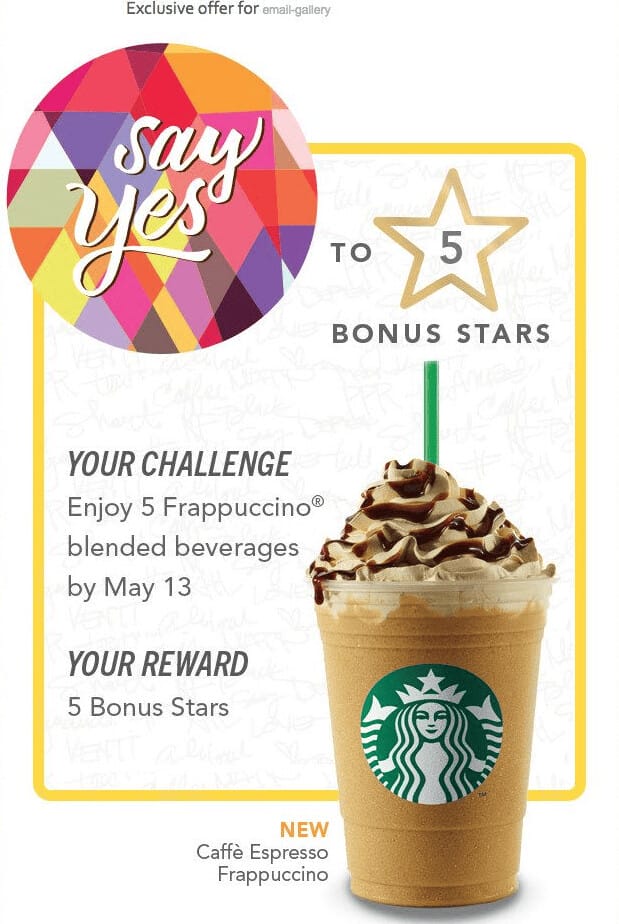
Starbucks is another example. It uses purchase history data to improve its rewards program.
According to NP Digital, 86% of marketers say data privacy changes affected their strategy. Marketing analytics and data infrastructure spending in the U.S., UK, and EU is now over $10 billion.
It’s important to follow data protection laws where you advertise. For example, in the EU it’s GDPR—and in California, USA, it’s the California Consumer Privacy Act (CCPA).
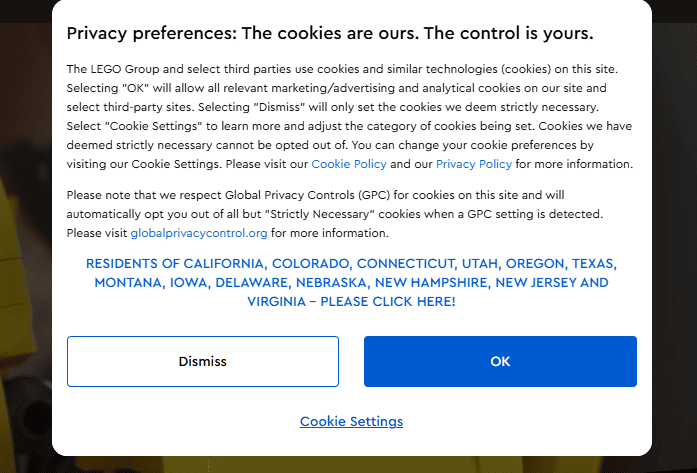
So before approving a data-driven strategy, check which laws apply to your business—based on your industry and country.
Conclusions
Data-driven marketing is based on customer info. Knowing how users respond to content, what websites they visit, what products they look at and add to carts—helps marketers predict actions and build strong strategies.
It’s important to use data-driven marketing responsibly and follow privacy laws in each region. Retargeting rules may vary by industry—for example, it’s limited in healthcare.
Carefully analyze your audience before launching campaigns. Use stats from paid search ads to shape your SEO strategy. Creating personalized content based on user data helps you make relevant offers and improve user experience.
FAQ
Data-driven marketing is collecting information about your audience and using it in marketing.
There are three main types of marketing data: descriptive, predictive, and prescriptive analytics. Key metrics include CTR, CPC, CPA, CPL, conversion, reach, website traffic, and page depth.
Data-driven marketing is based on numbers—especially metrics related to ad performance, website conversion, and audience engagement across platforms.
-
Tags
