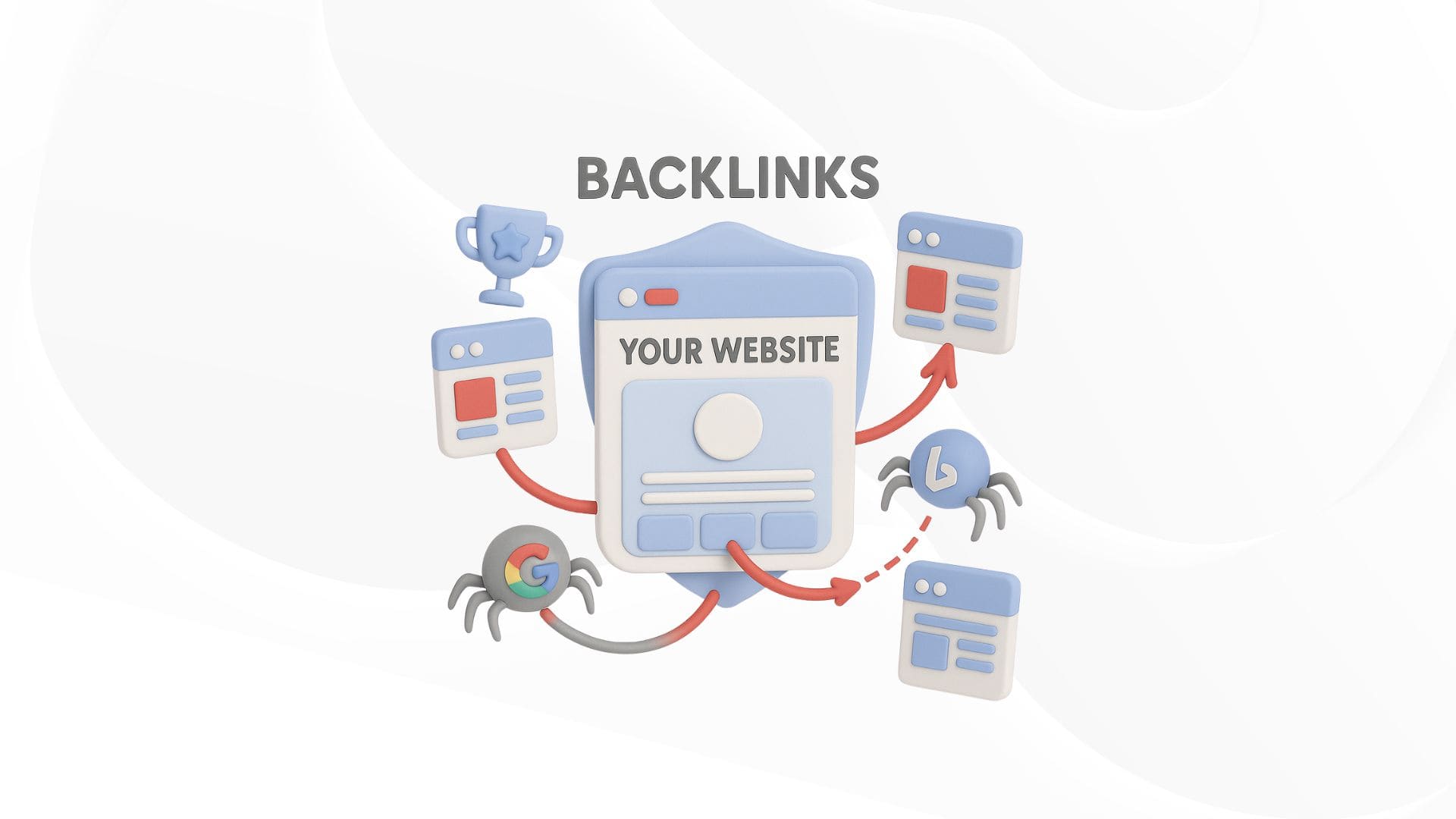
WHAT ARE BACKLINKS
Backlinks are links that lead to your website from other websites. Search engines value pages that are linked by reputable sources—so having high-quality backlinks is an important ranking factor. Not all backlinks are beneficial—it depends on the relevance and authority of the linking site, the placement of the link in the content, and other factors we’ll explain in detail.
What’s This About?
- What are backlinks and why are they used?
- How backlinks work?
- What makes a backlink high-quality?
- How to get backlinks?
- Conclusion
What are backlinks and why are they used?
Backlinks are also called external links. Unlike internal links, they always lead from one website to another, usually related by topic.
“A backlink is like a citation. The number, quality, and relevance of backlinks to a webpage are among the factors that search engines like Google use to determine how important that page is. PageRank calculates a score for each webpage based on how all pages link to each other, and it’s one of the variables Google Search uses to decide how high a page should appear in search results.” — “Backlink,” Wikipedia
A key SEO term is link profile. This means the total number of live links published on other websites. Link profile is defined by the quantity and quality of backlinks, so placing them strategically and analyzing results regularly is critical. The most effective links today are those added in articles, especially on blogs with relevant topics.
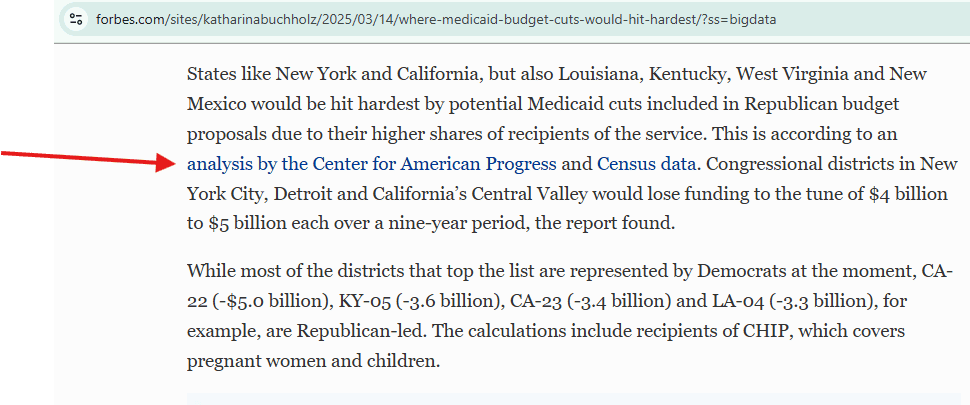
Building a link profile is necessary for promoting a site and ranking its pages at the top of search results. Besides helping search engines understand how one website relates to others, users benefit from external links—especially if they lead to useful, unique, and relevant content.
The Role of Backlinks in Website Ranking
Placing backlinks on trusted websites is a long-term investment in growing your site. Backlinks serve several key functions:
- Increase trust from search engines. The more quality backlinks you have, the more likely other sites in your niche will start linking to you naturally.
- Improve search rankings, especially in competitive niches.
- Drive organic traffic.
- Boost brand awareness.
- Expand your audience reach and user trust.
- Improve site indexing, which is especially helpful for new websites.
Beyond these well-known functions, external links can increase conversions. With a well-planned link strategy, you can direct traffic to your site—if users are genuinely interested in the content or offers, the traffic may lead to more engagement. Potentially—even more conversions.
It’s important to link to different pages. Choose the parts of your site or specific product/service pages that matter most to your business. This might be your core offering or a page with your digital or informational product. But don’t focus only on one or two pages. Promoting only the homepage isn’t a great idea either.

Expert’s comment
If you don’t link to your homepage at all, and only link to service pages, that might be a red flag to search engines, and they may not rank you. If you look at academic resources like Google Scholar, everything is citation-based, and all links only to the homepage isn’t good either. It’s better when 30% of links go to the homepage, 60–70% go to core service pages, and the remaining 10–20% are spread across the rest. That way, Open Graph shows a good picture—links spread across the whole site, and it looks organic to Google.
How Do Backlinks Work?
Backlinks work by passing trust and authority from one site to another. They signal to search engines that the content being linked to is relevant, popular, and high-quality.
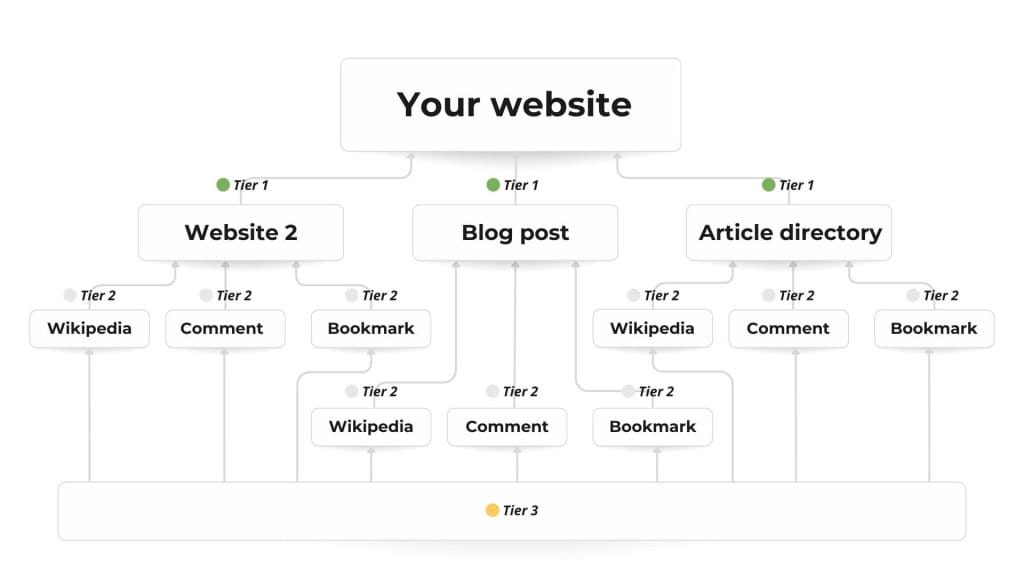
Place backlinks on different types of platforms—partner blogs, social media, forum comments, etc. The best results come from links in topic-specific articles written by real authors—especially natural ones that authors include voluntarily. For that, you’ll need to create truly valuable content. If you’re just starting and don’t have visibility or partners yet, negotiate to publish on external sites. Later in the article, we’ll talk about guest posts as part of outreach.
Types of Backlinks
Backlinks, like internal links, can be anchor or non-anchor links. Anchor links use text that describes the linked content in a few words.
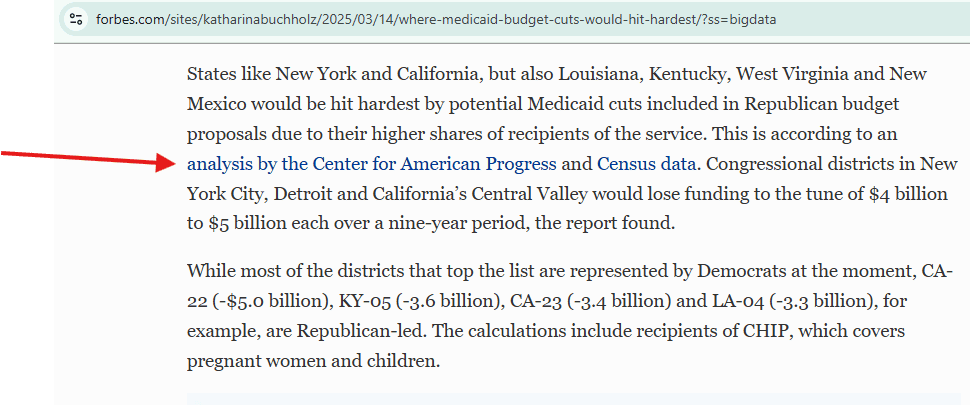
Avoid vague or confusing anchor text. It should be clear and understandable to both users and search engines.
Another type is non-anchor links. These are direct page URLs without descriptive text. These look natural and are currently favored by search engines. Google rarely sees non-anchor links as spam.
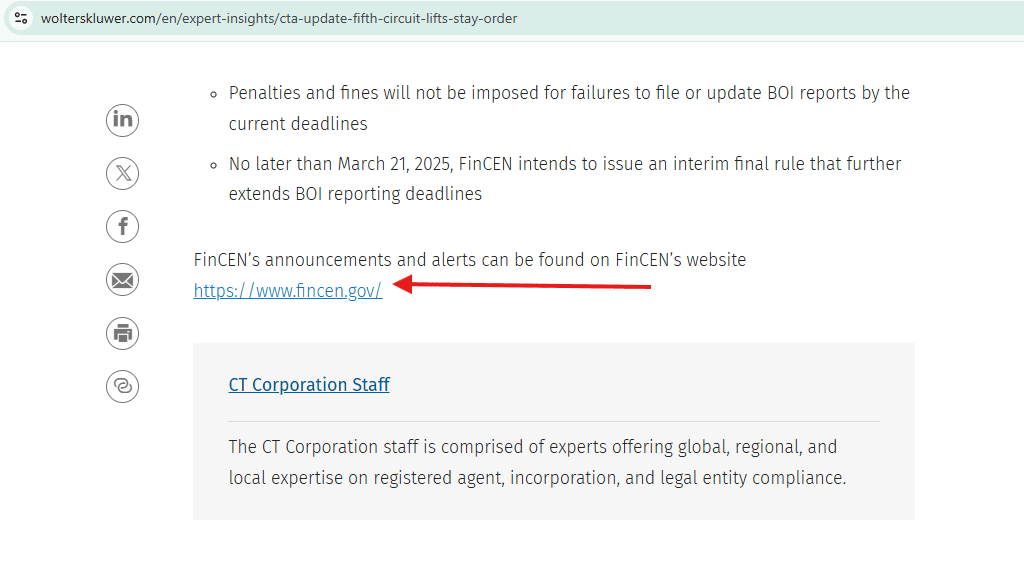
For blogs, both types are suitable—it’s best to alternate them and avoid using exact keywords as anchor text. On social media and forums, only non-anchor backlinks are recommended.
To promote your brand, you can use a brand name as anchor text without any extra words.
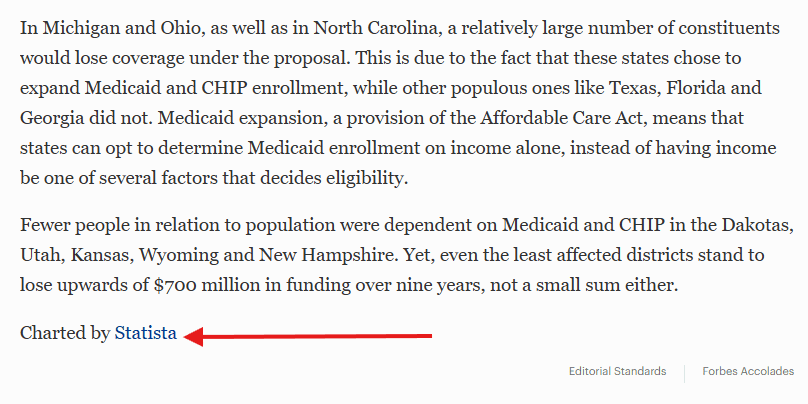
Based on HTML attributes, there are two kinds of external links::
- dofollow;
- nofollow.
Attributes define how link equity is passed from one site to another.
Dofollow links pass authority to the linked website. Google uses them to transfer ranking signals. You don’t need to add any attributes—this is the default setting.
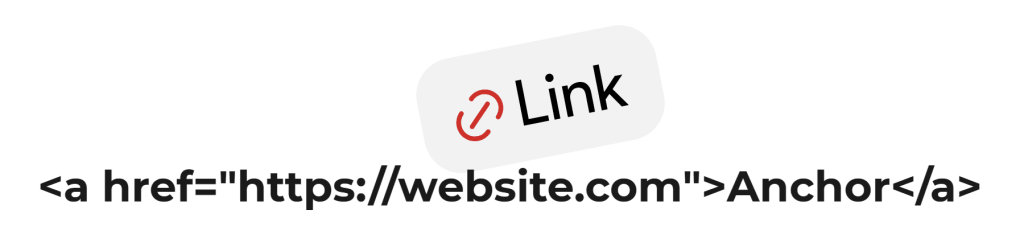
Nofollow links are good for bringing traffic but don’t affect rankings directly. These links tell Google not to pass ranking signals.

Use the nofollow attribute when you don’t want to recommend a site or associate your page with it—for example, when linking to a competitor’s article or marking a link as sponsored.
📌Read the article: What are anchor and anchorless links
What Makes a Backlink High-Quality?
An effective link strategy includes regularly adding high-quality links. A good backlink has several features.
Relevance
The linking site and the linked site should share a similar topic and target audience. Ideally, the linked content continues or deepens the original topic.
Anchor text
Anchor text should also match the content of the linked page. In HTML, it looks like:
<a href=”http://www.domain name.com/”>Link Anchor Text</a>
Use descriptive keywords with soft variations. Don’t repeat the same keyword—it may be flagged as spam. Good anchor text adds context and improves the experience for both search engines and readers.
Check Google’s official guide on creating anchor text.
High domain authority (DA/DR)
Domain Authority (DA) measures site authority on a 0–100 scale (Moz Link Explorer).
Domain Rating (DR) reflects backlink profile strength (Ahrefs or SEMrush’s Authority Score).
Check traffic via Similarweb.
Website age
You can’t control this—just focus on consistently growing one site over time.
Link placement in content
Surround backlinks with LSI keywords—related terms and phrases that clearly describe your page content.
Link-building differs between Ukraine and Western markets. In the West, you may see results faster. In post-Soviet countries, site age and user behavior matter more.
Expert’s comment
…for example, if we talk about PR platforms in Ukraine, there are links priced at $50–$100 for new businesses. They work fairly well, especially if the content is custom. After a year or so, the site gets traffic and becomes self-sustaining. Then you can move to more expensive and niche-specific links. In Europe, $200 is the minimum. In the U.S., $300–$400 per link is standard.
You probably can’t build a perfect link strategy overnight or get listed on Wikipedia and Forbes right away. That takes time. The main rule—don’t use black-hat or gray-hat methods.
In early 2017, Google released Penguin 4—spammy links lost value. Randomly buying backlinks, auto-publishing on low-quality sites, or submitting to directories can now hurt your ranking or get you banned.
How to Get Backlinks?
In the 2000s (and up to early 2010s), paid link platforms were popular. Site owners and SEO specialists rented link spots monthly. Today, a few remain—Sape, Mainlink, Setlinks—but their effectiveness is questionable.
More reliable are permanent link platforms like Collaborator and the Ukrainian Links marketplace.
Before seeking backlinks, audit your current profile and clean broken links. Also check competitors—where they post, what links they use, how often. Use tools like Ahrefs, Serpstat, Similarweb.
Besides platforms, there are better link-building tactics:
📌
Read the article: What is link building
Guest posting
This is part of outreach—agreeing with site owners or editors to post your link. You can pay for this or offer to exchange value (like writing high-quality articles). Guest posts are useful articles on niche sites that include your backlinks.
Crowd marketing
This means posting your product/service links in blog comments or forums. It helps with brand recognition too.
Press releases and news
Expert media publish links when a business does something noteworthy—like launching a service or app, conducting a study, or sharing a great case study. Negotiate press releases as part of outreach.
Customer reviews on niche sites
Great for online stores, but also valuable for agencies, studios, and freelancers.
Social media reviews
These don’t pass link equity but diversify your profile, attract traffic, and improve user experience. Encourage customers to leave reviews with links—offer small discounts in return.
Links from thought leaders
Offer free products or services to influencers in exchange for feedback or a blog review. Best if they own a site where they can write rankings or recommendation posts.
Link Insertion
Find popular articles related to your topic and offer to insert your backlink into their content.
Important—keep the link one-way. Mutual linking is a red flag to search engines, and Google can detect and penalize such schemes.
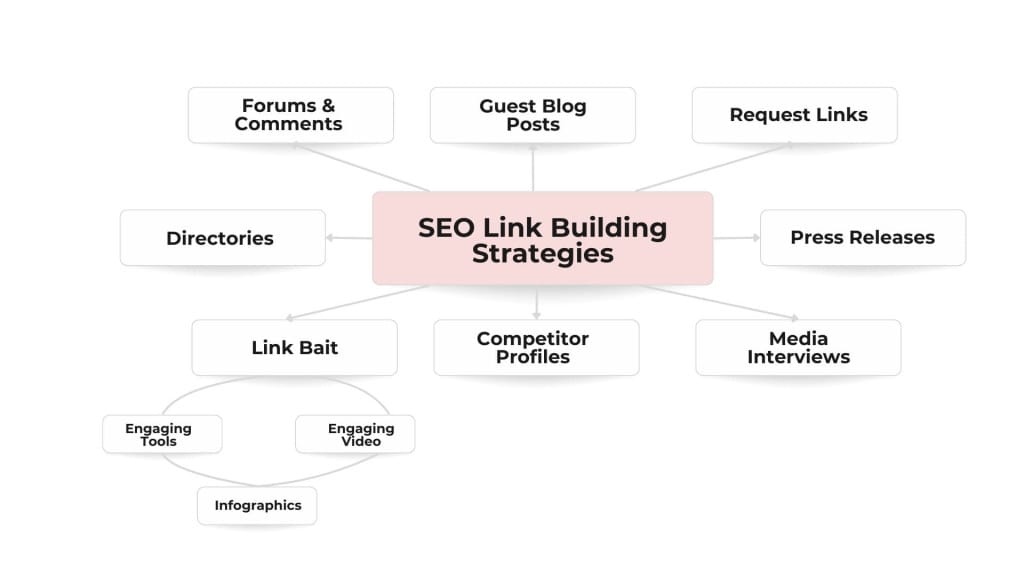
Combine different methods of building link mass and analyze the results. Perhaps something that didn’t work for your competitors a few years ago will work for your business.
Regularly audit your backlinks. Check the types and number of linking domains. Some may harm your stats—remove them if possible.
Use Google Search Console—it focuses on backlink quality, shows anchors, and lets you disavow harmful links.
Conclusion
Good backlinks point to content that matches or expands on the topic of the linking page. Ideally, it adds value for the audience of the linking site.
Stay up-to-date with Google’s spam policies. Bad link-building can hurt your rankings—or get you removed from search results.
Use a mix of link-building methods—buying links and guest posts are most common, but crowd marketing, link insertion, social media, and review sites also help. Use press releases, partner with media and bloggers. Test what works in your niche—and create authentic content your audience truly values.
FAQ
Backlinks are external links from other websites that lead to your site.
Backlinks help boost your search ranking, attract organic traffic, improve indexing, and grow brand awareness.
